What the filings show
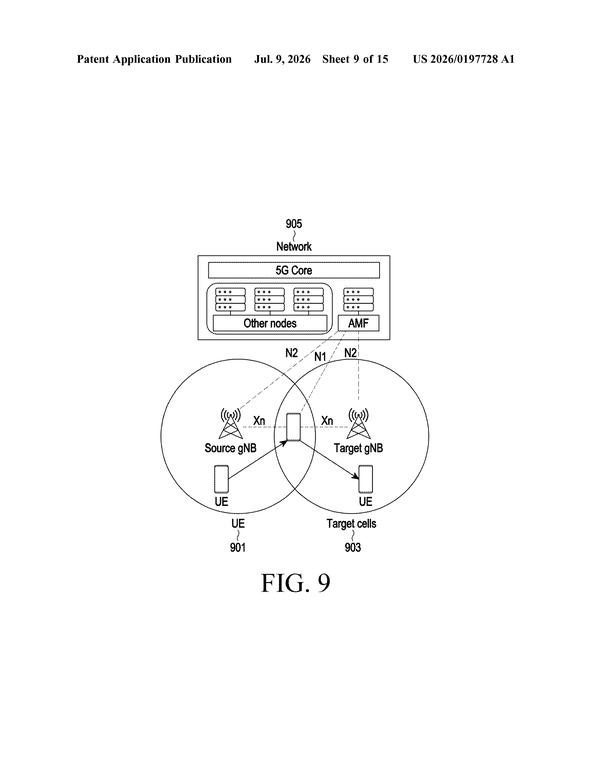
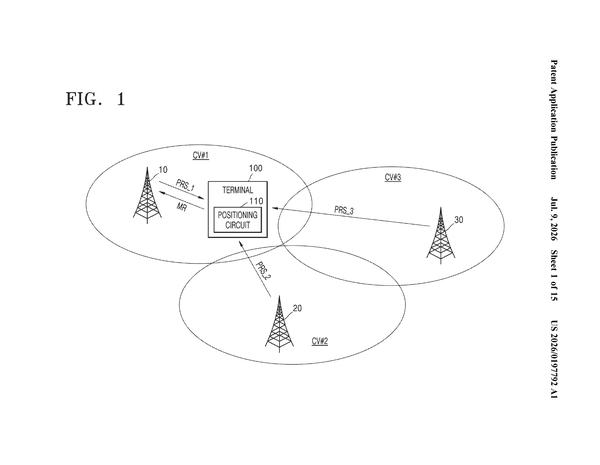
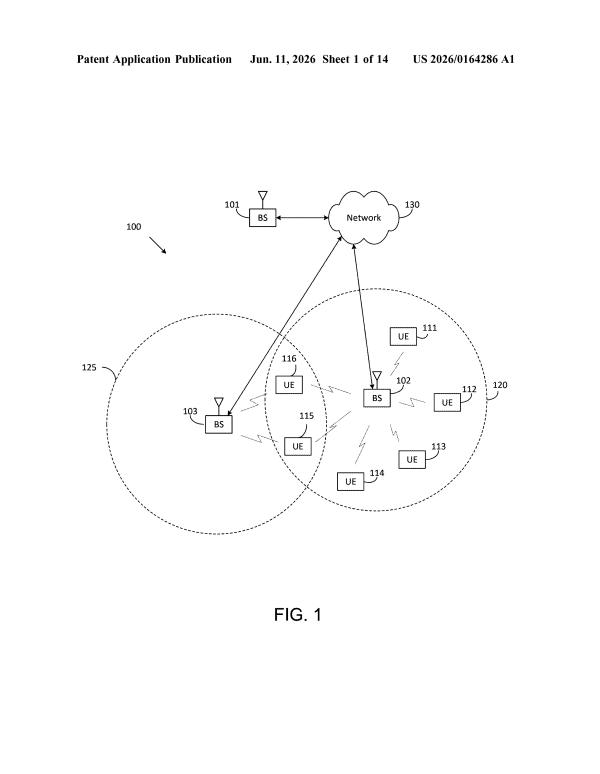
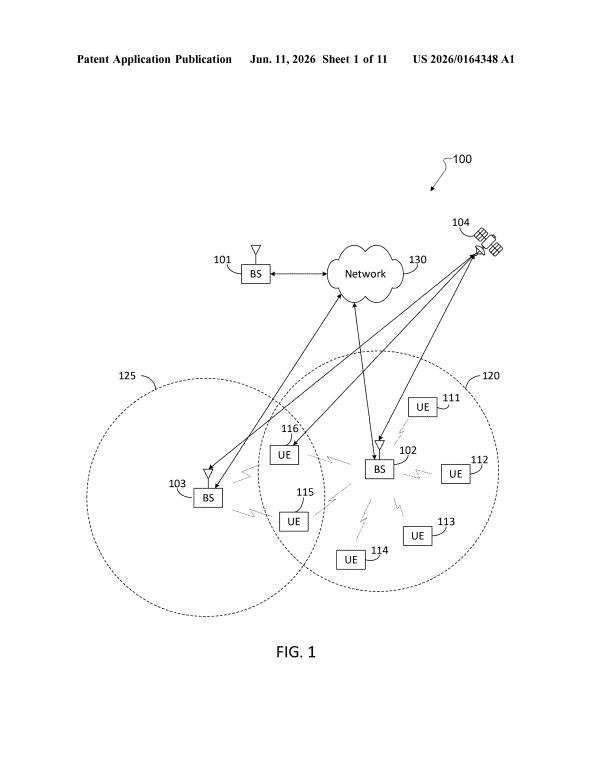
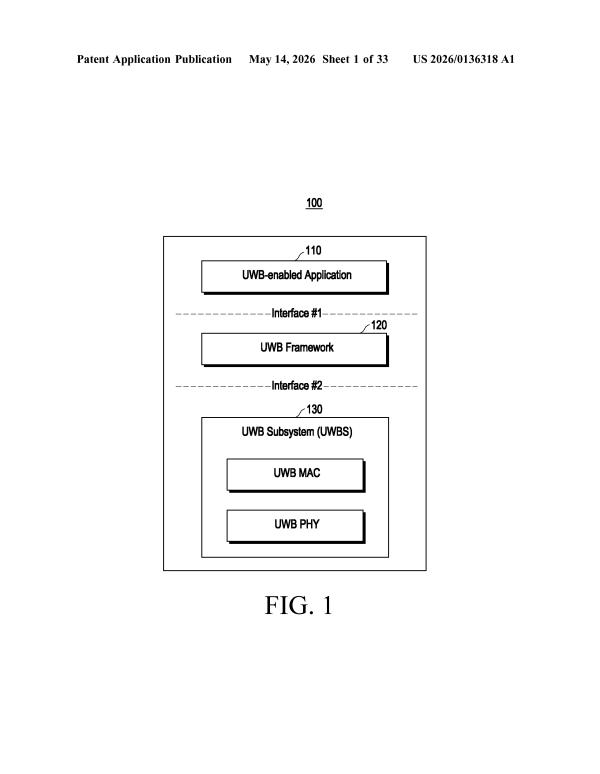
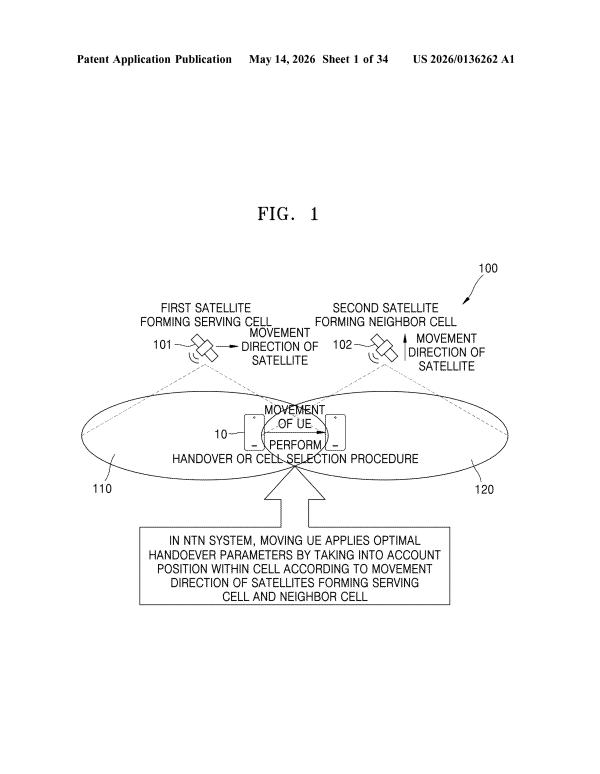
Most of these filings deal with handoffs of one kind or another: satellites moving overhead, cell towers passing a connection along, reference signals timing a switch, and UWB sessions moving between devices. The engineering effort concentrates on making those transitions invisible to the person holding the phone, whether the trigger is a moving satellite or a dying signal bar.
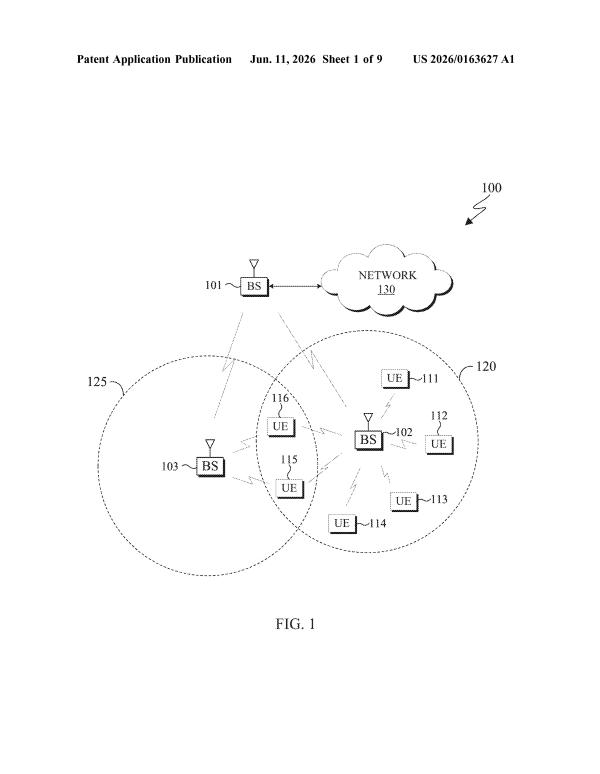
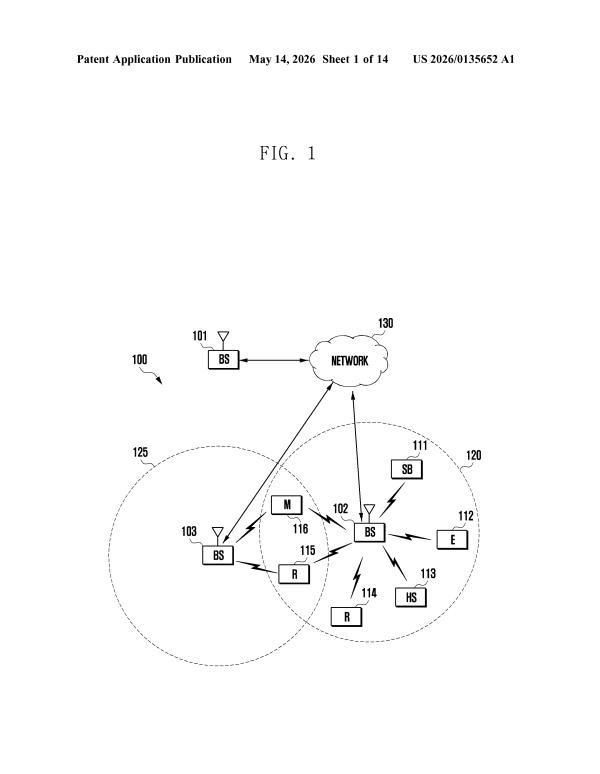
A second cluster deals with efficiency and coordination at the radio level: beamforming for fronthaul units, AI-driven beam selection, full duplex uplink scheduling, and reader-device scheduling for low-power gear. These filings are less about connecting and more about connecting without wasting power or bandwidth, which matters as 5G networks add more antennas and more simultaneous users.
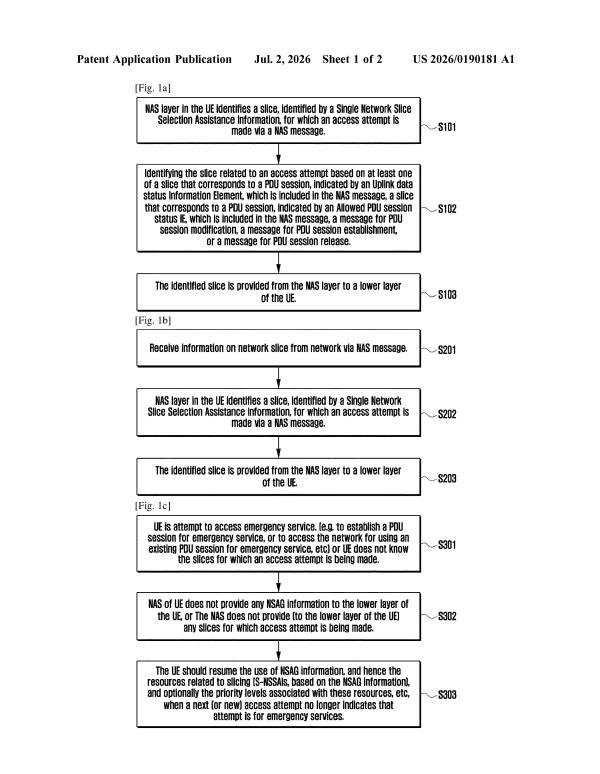
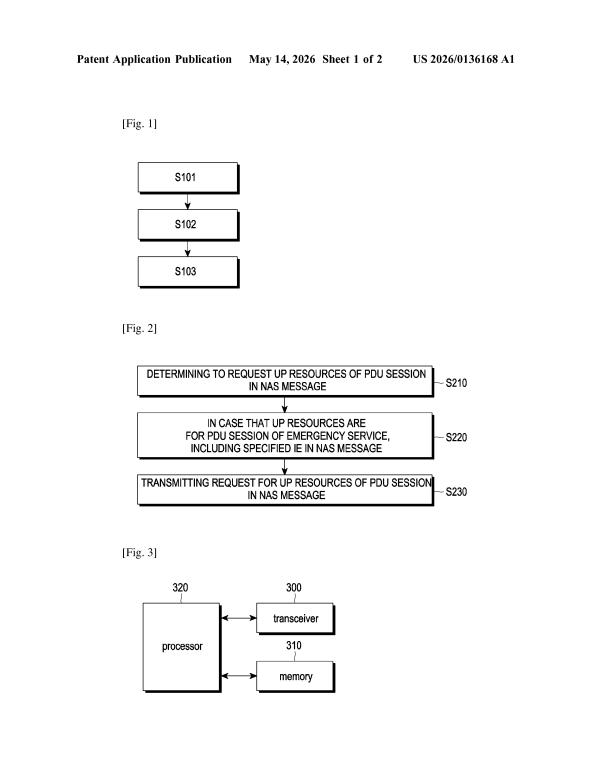
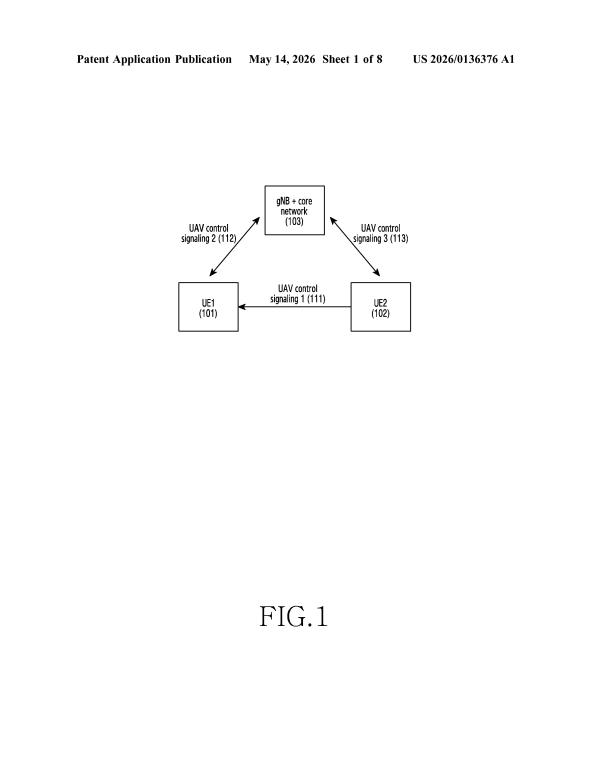
A smaller set looks outward from the phone itself: emergency data sessions in restricted zones, drone-to-controller identification over sidelink, and signaling traffic monitoring for network operators. Readers should watch for more filings that connect consumer devices to non-traditional networks, since satellites and drones already show up twice each in this batch.
Questions readers ask
What is Samsung's 5G and 6G patent tracker actually about?
It follows Samsung's patent filings that deal with how phones stay connected, including handovers between cell towers and satellites, emergency call signaling, and beamforming. The filings show research direction, not confirmed products, since patents can sit unused for years.
Does this mean Samsung phones will use satellites soon?
The filings show Samsung researching satellite handover and fallback systems for when cell service fails, which suggests real engineering interest. A patent filing is not a launch announcement, so timing and whether it ships at all remain open questions.
Why do so many of these patents mention handovers?
Handovers, whether between cell towers, satellites, or paired devices, are where connections are most likely to drop or stutter. Samsung's filings repeatedly target that moment, suggesting it sees smoother handovers as a core problem for 5G and 6G networks.
Are these patents specific to one Samsung product?
No, the filings read as network and device-level infrastructure work rather than features tied to one phone or chip. They cover base stations, fronthaul radio units, and device-side scheduling, which points to broad network plumbing rather than a single product.