
Apple Patents a Dynamic Transmit Power System That Pushes Beyond Default 5G Limits
Your phone is often holding back its radio power even when the network would let it shout louder. Apple's new patent describes a system that detects when conditions are right to relax those limits and push out a stronger signal.
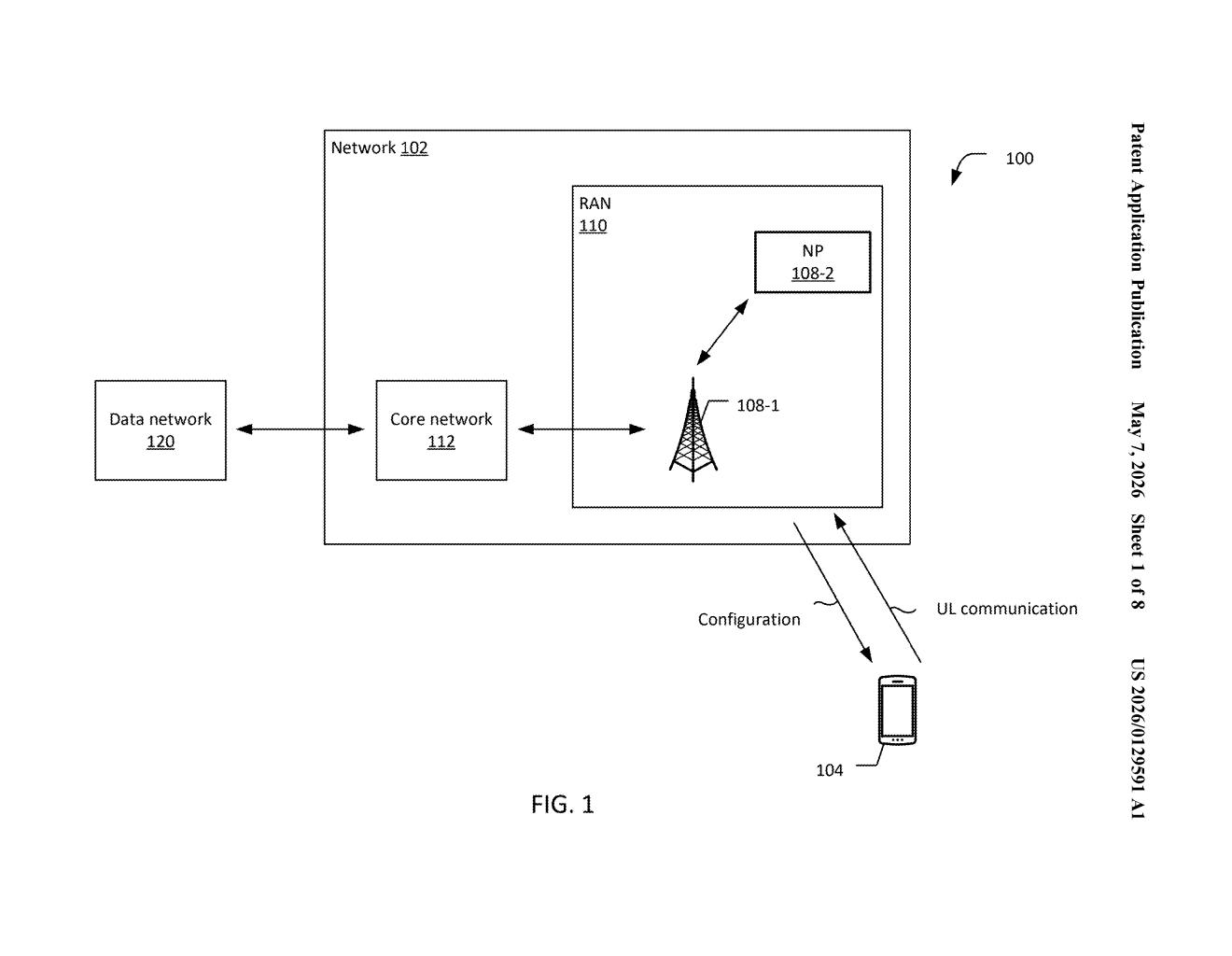
What Apple's adaptive transmit power system actually does
Imagine you're at the far edge of a cell tower's coverage — one bar, dropped calls, slow data. Your phone actually has a ceiling on how loud it can transmit, and that ceiling is usually set conservatively by default. Apple's patent describes a smarter approach: the phone detects a specific condition (like a particular network configuration or serving cell setup), and based on that, it's allowed to exceed the default power cap.
Think of it like a car's speed limiter that a highway authority can temporarily raise when road conditions are safe. The phone figures out which 'configuration' applies, and if that config relaxes the normal requirements, it can transmit at a higher maximum power — improving your connection to the tower.
This is particularly relevant at the edges of 5G coverage, where weak uplink signals are a real bottleneck. The system keeps this dynamic, generating signals at exactly the computed transmit power rather than always defaulting to a one-size-fits-all limit.
How the UE detects conditions and picks a power config
The patent describes a method running on user equipment (UE) — that's your phone or cellular device — that goes through a four-step decision process:
- Detect a condition — the UE identifies something about its current serving cell or network state, such as a specific cell configuration or signaling from the base station.
- Determine a configuration — based on that condition, it selects one configuration from a set of possible configurations, each carrying different requirements about transmit power.
- Determine a first maximum transmit power — this is the key step. The selected configuration may allow a higher maximum transmit power than the default configuration's ceiling, effectively relaxing the normal restrictions.
- Generate the signal — the UE runs its standard power control algorithm within the new (higher) limit and transmits at the computed power level.
The patent specifically calls out power back-offs — reductions applied to transmit power for reasons like SAR (specific absorption rate, i.e., safety limits) or interference mitigation. The configuration-based approach means the phone can intelligently reduce or waive certain back-offs when conditions justify it. This is a layer of logic sitting above the existing 3GPP power control framework, not replacing it.
What this means for 5G signal strength at the edge
At the edge of a 5G cell, uplink power — how loud your phone talks back to the tower — is often the limiting factor in call quality and data speed. Phones currently apply conservative, static power ceilings partly for regulatory compliance, partly for device protection. A system that dynamically lifts those ceilings when network signaling indicates it's safe could meaningfully improve coverage reliability without requiring denser tower infrastructure.
For you as a user, this could mean fewer dropped calls and better upload speeds in areas that currently sit at the fringe of coverage. For Apple, it's a way to differentiate modem performance — especially relevant now that the company is developing its own cellular silicon and needs to compete with Qualcomm on radio efficiency and link budget.
This is a fairly targeted cellular standards patent — not flashy, but it sits squarely in the middle of Apple's in-house modem ambitions. Getting uplink power management right is one of the harder practical problems in modem design, and a configuration-aware approach is a legitimate engineering improvement over static defaults. Worth tracking if you follow Apple's modem development story.
There are more where this came from
We read every patent application Big Tech publishes and send you the ones worth knowing. Plain English, free, every week.
Want this weekly breakdown for a company we don't cover? Patentlyze Pro →