
Apple Files Patent for Wireless Network Buffer Status Reporting
Deep in the plumbing of how your iPhone negotiates data uploads with a cell tower lies a mechanism called buffer status reporting — and Apple has filed a patent to refine how it works.
What Apple's buffer status reporting patent actually covers
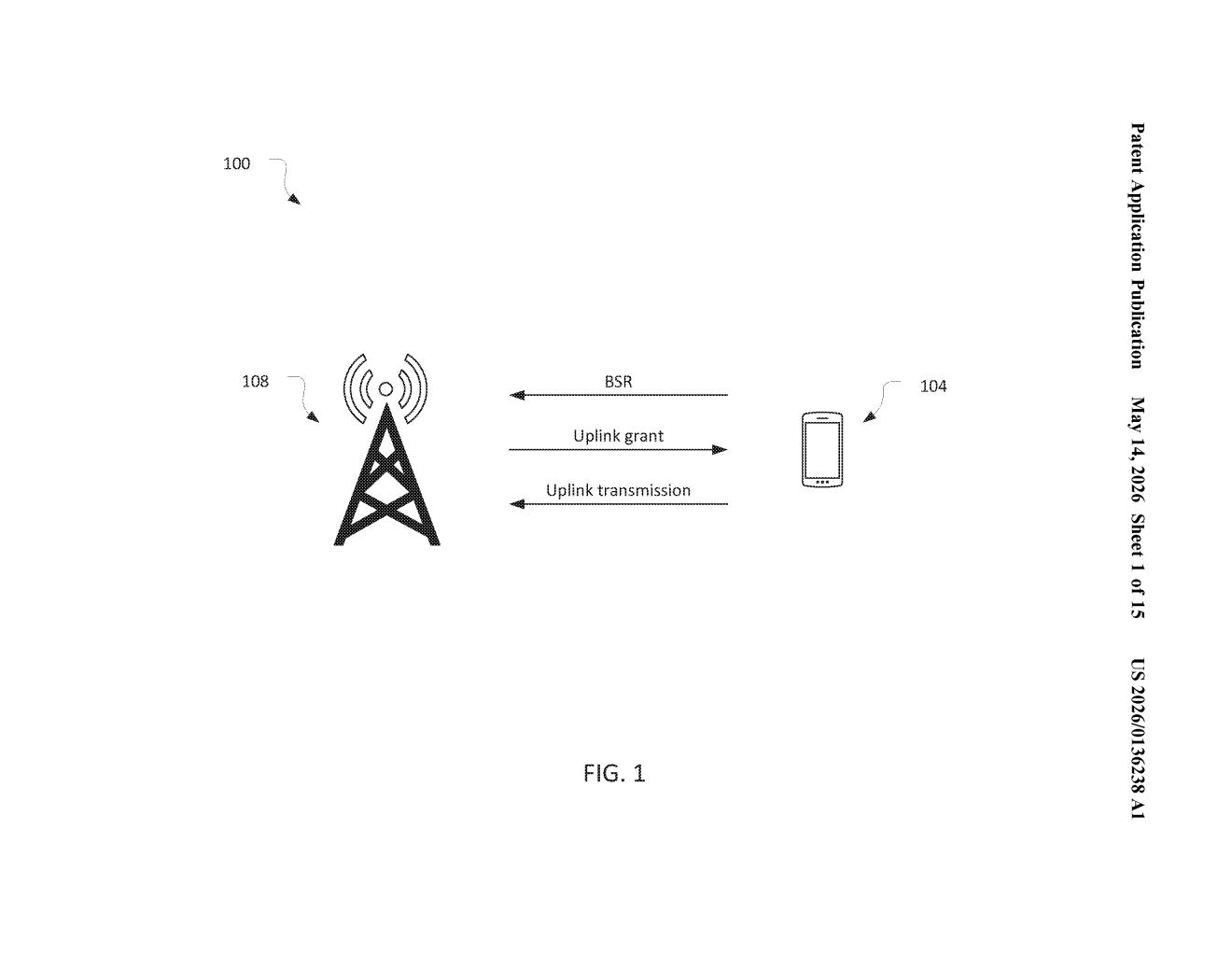
Imagine your phone is about to send a chunk of data — say, uploading a video — to a cell tower. Before it does, it needs to tell the network how much data is queued up and waiting. That heads-up is called a buffer status report (BSR), and it's how the network decides how much uplink bandwidth to grant your device.
Apple's patent covers methods for improving how devices handle this BSR process in wireless networks. The goal is to make uplink data scheduling more efficient — so your phone gets the right amount of airtime, at the right moment, without wasting resources.
This is deeply infrastructure-level work. You'd never notice it directly, but it affects how smoothly your device handles real-time uploads on LTE and 5G networks.
How BSR signals coordinate uplink data scheduling
A buffer status report (BSR) is a small control message a device sends to a base station to say, in effect, "here's how much data I have ready to send." The network uses that information to allocate uplink grants — scheduled windows of time and frequency where the device is allowed to transmit.
Apple's patent targets the apparatus, systems, and methods involved in this BSR process. The abstract is minimal and the first independent claim wasn't available, so specifics are limited — but the filing originates from a PCT application (PCT/CN2022/129640), meaning it was originally filed through the international Patent Cooperation Treaty system before entering the US national phase in April 2025.
The core of the invention appears to focus on how a device:
- Determines when and how to trigger a BSR
- Formats and transmits the report to the base station
- Responds to the uplink grant that follows
This sits squarely within the 3GPP cellular standards ecosystem — the same body of specs that governs how iPhones communicate with LTE and 5G networks worldwide.
What this means for Apple's cellular standards work
Apple has a substantial team working on cellular modem technology, and BSR mechanics are a core part of 5G NR (New Radio) uplink efficiency. Filing patents in this space is consistent with Apple's push to develop its own in-house cellular modem — the C1 chip — reducing its dependence on Qualcomm.
For everyday users, better BSR handling could translate to more responsive uploads, lower latency in real-time apps, and improved battery efficiency during data transmission. That said, this is highly incremental standards work — the kind of patent that matters a lot to engineers and almost nothing to anyone else.
This is routine cellular standards infrastructure work — the kind of filing that any company building its own modem needs to do. It's only interesting as one more data point in Apple's ongoing effort to own its cellular stack from silicon to software. Don't read more into it than that.
There are more where this came from
We read every patent application Big Tech publishes and send you the ones worth knowing. Plain English, free, every week.
Want this weekly breakdown for a company we don't cover? Patentlyze Pro →