
Apple Files Patent to Rethink How Digital Content Purchases Are Processed
Apple is patenting a way to request access to digital content using a single catch-all identifier instead of a unique code for every individual item. It sounds like plumbing, because it is, but it touches how purchases flow through the App Store.
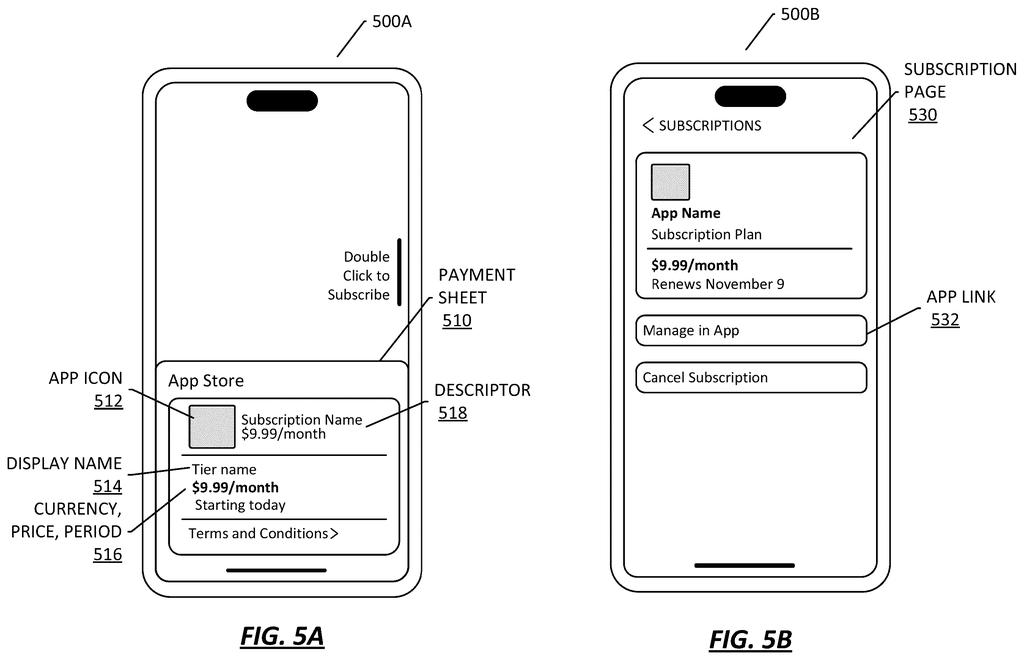
What Apple's generic content identifier actually does
Imagine every product in a grocery store had its own unique barcode, but you could also use one universal placeholder barcode that the checkout system would then interpret based on a note attached to it. That's roughly what Apple is describing here.
When you tap 'buy' on a piece of digital content, a traditional system sends a specific ID tied to that exact item. Apple's patent describes sending a generic content identifier instead, bundled with a separate packet of details (called a metadata payload) that spells out exactly what you're trying to get and who you are. The platform on the other end reads the combo and figures out the rest.
One interesting wrinkle: that same generic identifier is also linked to a second piece of digital content on the same platform. That suggests Apple is building a system flexible enough to associate one purchase action with multiple items at once, which could be useful for bundles, subscriptions, or cross-platform entitlements.
How one ID covers multiple pieces of digital content
The patent describes a two-part system for handling digital content access requests. Instead of generating a unique, item-specific identifier for every purchase or download request, the system uses a generic content identifier that isn't tied to one specific product.
Attached to that generic ID is a metadata payload, a structured data package that carries the specifics: which content the user wants, and what kind of access they're requesting. Together, these two pieces form an access request data structure that gets transmitted to the host platform.
The key distinction in the claim is how the receiving platform handles this. It processes requests that use generic content identifiers differently from requests that use specific ones. The exact logic of that difference isn't spelled out in detail, but the architecture implies the platform has a special routing or validation path for these generic requests.
Perhaps most the same generic identifier is simultaneously associated with a second piece of digital content on the same platform. This means one identifier can represent multiple items, which opens the door to:
- Bundled content purchases handled through a single request
- Subscriptions that grant access to a rotating or expanding catalog
- Cross-title entitlements where buying one thing unlocks another
What this means for Apple's App Store and digital storefronts
For everyday users, this kind of patent lives entirely in the background. You'd never see a generic content identifier; you'd just tap buy and things would work. But the architecture underneath determines how flexible, fast, and scalable a digital storefront can be, and Apple's App Store processes billions of transactions.
The more interesting angle is the multi-content association. If a single generic ID can be linked to more than one piece of content, Apple could use this infrastructure to power more flexible bundle deals, family sharing arrangements, or subscription tiers where the catalog changes over time without requiring a new identifier for every new item. That's a meaningful operational advantage at the scale Apple operates.
This is squarely infrastructure work, not a consumer-facing feature. The patent is dry and the claim is narrow. That said, for anyone tracking how Apple's commerce systems are evolving, the multi-content identifier association is a genuinely interesting architectural choice that could simplify how bundles and subscriptions are plumbed at the platform level.
There are more where this came from
We read every patent application Big Tech publishes and send you the ones worth knowing. Plain English, free, every week.
The drawings
7 drawing sheets from US 2026/0212034 A1 · click any drawing to enlarge


Want this weekly breakdown for a company we don't cover? Patentlyze Pro →
Be the first to weigh in