
Apple Patents a Way to Hand Your Device to Someone Else Without Giving Up Your Account
Apple is exploring a system that lets a second person use your iPhone or iPad in their own personalized mode by pulling their settings directly from their own device, without you ever logging out.
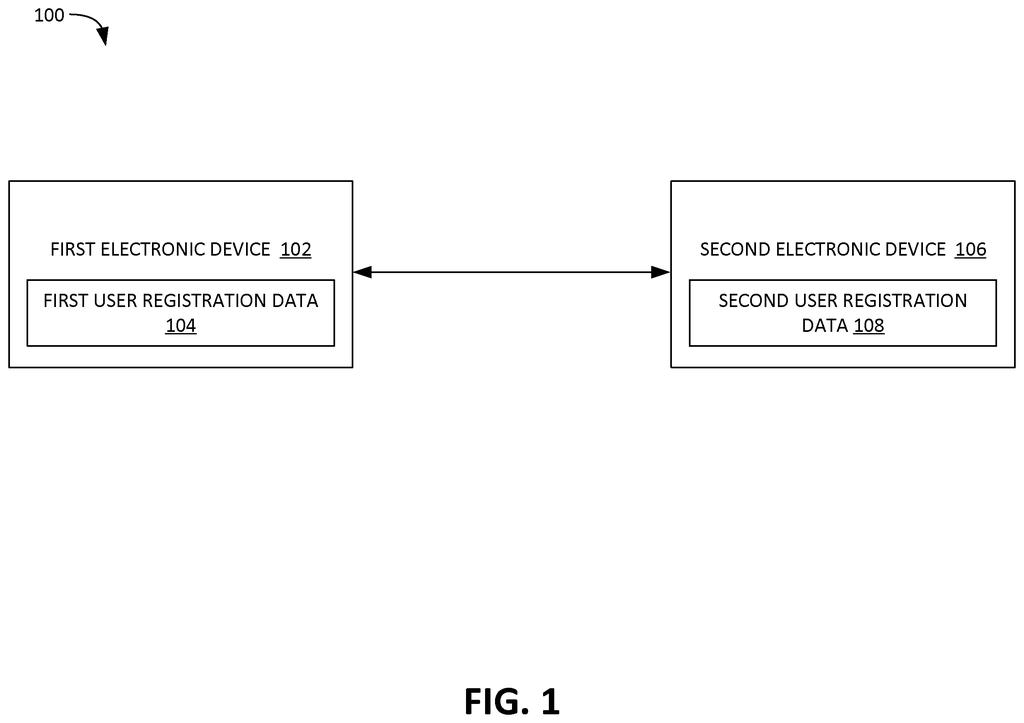
What Apple's guest-mode borrowing system actually does
Imagine handing your iPad to your partner so they can look something up, but instead of seeing all your apps and notifications, it switches into their layout the moment they bring their own phone nearby. That's the basic idea behind this Apple patent.
Right now, sharing a device usually means logging out, setting up a guest mode, or just handing it over and hoping nobody pokes around in your stuff. Apple's system would let a second user's registration data (think: their preferences, their account settings) transfer wirelessly from their own phone to your device, so it reconfigures itself for them automatically.
The owner stays logged into their account the whole time. The device just temporarily runs in a mode shaped around the guest. When the guest is done, everything goes back to normal. No passwords shared, no accounts swapped.
while logged into an account of a first user: while operating in a mode configured for the first user, receive, using the one or more input devices, an input corresponding to a request to operate in a mode for another user; and determine whether user registration data for a second user, different from the first user, is available from a second electronic device …
Translation: The device checks if another nearby gadget has profile data ready when someone asks to switch users.
How the device fetches a second user's settings wirelessly
The patent describes an electronic device (a phone, tablet, or similar gadget) that can operate in two distinct modes, one for its owner and one for a guest, without the owner ever signing out of their account.
Here's the key step: when the guest wants to use the device, it checks whether user registration data for that person is available from a second device nearby. If it is, the device pulls that data over wirelessly. That registration data is essentially the guest's profile: their preferred settings, their account configuration, whatever the system needs to run in their mode.
The claim covers a specific handshake:
- The device is running in the owner's mode.
- An input (a tap, a button press) signals a request to switch to another user's mode.
- The device checks a second electronic device (presumably the guest's phone) for that user's registration data.
- If found, it downloads and applies that data, then operates in the guest's mode.
What the claim does not specify is what kind of data transfers, what wireless technology carries it, or whether any biometric check is required. Those details may live in dependent claims not shown here.
The owner of the electronic device can permit the electronic device to receive second registration data from an electronic device that is associated with the second user.
Translation: The owner lets their device pull the friend's profile info straight from the friend's own device.
What this means for shared iPads and family devices
Shared devices are a genuine pain point. Families share iPads. Couples share tablets. People hand phones to friends for directions. Right now, iOS and iPadOS have limited support for multiple users, nothing like what Android tablets have offered for years. A system like this could finally bring proper guest switching to Apple hardware without forcing the owner to log out.
For you, the practical upside is obvious: hand your device to a guest, they get their own experience, you get yours back when they're done. The broader implication is that Apple may be rethinking how identity works on shared devices, moving the user profile off the device itself and onto the person, carried around on their own phone.
Apple's 26th filing we've tracked since May in our device handoff between screens and speakers watchlist follows headsets switching audio sources and tossing video between screens with another application on moving content across devices.
Claim 1 covers any electronic device that can receive a request to switch users, fetch a second person's setup data from a device associated with them, and then run using that fetched data. The claim puts no limits on how the two devices talk to each other, what the setup data includes, or what category of device is involved.
That width matters because it means the patent would cover the outcome, not any particular method of reaching it. Any product that lets a guest's own device hand over their profile to a shared device, so that shared device reconfigures itself accordingly, would fall inside this boundary.
Whether the patent office considers that outcome new enough to protect is the real question. Multi-user modes have existed in various forms for decades, and the answer there will determine how much practical force Apple can actually exercise over this idea.
There are more where this came from
We read every patent application Big Tech publishes and send you the ones worth knowing. Plain English, free, every week.
The drawings
4 drawing sheets from US 2026/0303774 A1 · click any drawing to enlarge


Want this weekly breakdown for a company we don't cover? Patentlyze Pro →
Be the first to weigh in