
Samsung Patents a Camera That Stabilizes Shots by Moving Only Half Its Lenses
Samsung is rethinking how a phone camera fights blur by splitting its lens stack in two, moving only part of it when you shake the phone.
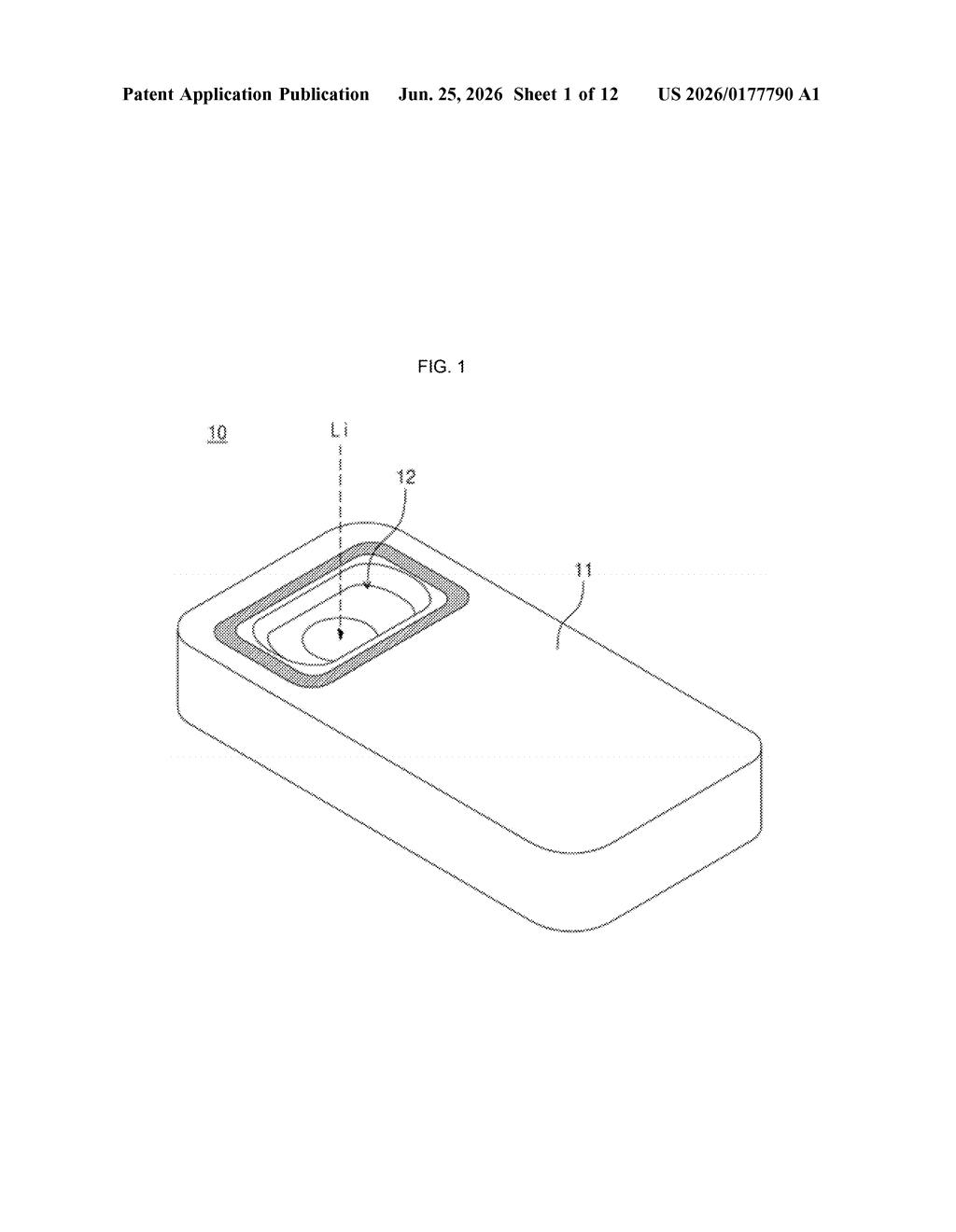
What Samsung's split-lens stabilization actually does
Imagine trying to take a sharp photo while your hands are trembling. Your phone's camera has to compensate in real time, and right now most cameras do that by shifting a big chunk of their internal glass sideways to cancel out the motion. The more glass you have to move, the bigger and heavier the mechanism needs to be.
Samsung's patent describes a camera design where the lens stack is divided into two separate groups. Only the front group slides sideways to stabilize the image. The rear group, sitting closer to the image sensor, stays perfectly still. A curved light-guiding element at the front channels incoming light down into this whole arrangement.
The practical upside is that you're moving less hardware for every correction. Less moving mass can mean faster stabilization response, a smaller motor, or both. For a company chasing thinner phones without sacrificing camera quality, that's a worthwhile engineering trade-off.
How the two lens groups divide stabilization duties
The patent covers a camera module built around three main pieces: a light guide, a first lens group, and a second lens group, all feeding into an image sensor.
The light guide has positive refractive power (meaning it bends incoming light inward, converging it rather than spreading it). Think of it as a funnel for photons, directing them down the optical path toward the sensor.
From there, the light hits two separate lens groups:
- First lens group: multiple lenses that are mechanically free to shift perpendicular to the optical axis. This is the stabilization layer. When the device moves, this group slides to keep the image steady on the sensor.
- Second lens group: one or more lenses that are fixed in the lateral direction. This group handles final image formation but does not participate in shake correction.
By isolating stabilization to the first group only, the system reduces the total moving mass. Lighter moving parts generally allow actuators (the tiny motors doing the shifting) to respond faster and consume less power, which matters in a device that runs on a small battery.
What this means for thinner Samsung phone cameras
Optical image stabilization has been a standard feature in premium phones for years, but the hardware behind it is a constant constraint on how thin a camera module can be. Moving an entire lens assembly requires space for travel and a motor strong enough to push all that glass. Splitting the job to a lighter sub-group gives Samsung's engineers more room to reduce module height or improve stabilization speed without a bigger motor.
This fits neatly into Samsung's ongoing effort to make Galaxy devices thinner. The patent doesn't name a specific product, but the architecture described is exactly the kind of incremental optical engineering that ends up in flagship phones. If it ships, you might notice it as better low-light shots with less motion blur, without any obvious change in how the camera bump looks.
This is solid, unglamorous camera engineering. Splitting a lens stack to reduce moving mass is a real technique with real benefits, and Samsung filing a patent on a specific implementation of it is worth tracking. Don't expect a press release about it, but do expect the idea to appear in a Galaxy flagship optical spec sheet.
There are more where this came from
We read every patent application Big Tech publishes and send you the ones worth knowing. Plain English, free, every week.
Want this weekly breakdown for a company we don't cover? Patentlyze Pro →