
Samsung Patents a Camera That Switches How It Captures Motion on Its Own
Your phone's camera already makes dozens of decisions every time you tap the shutter button. Samsung is now patenting a system that adds one more: automatically switching the shutter type mid-session based on what's actually in front of the lens.
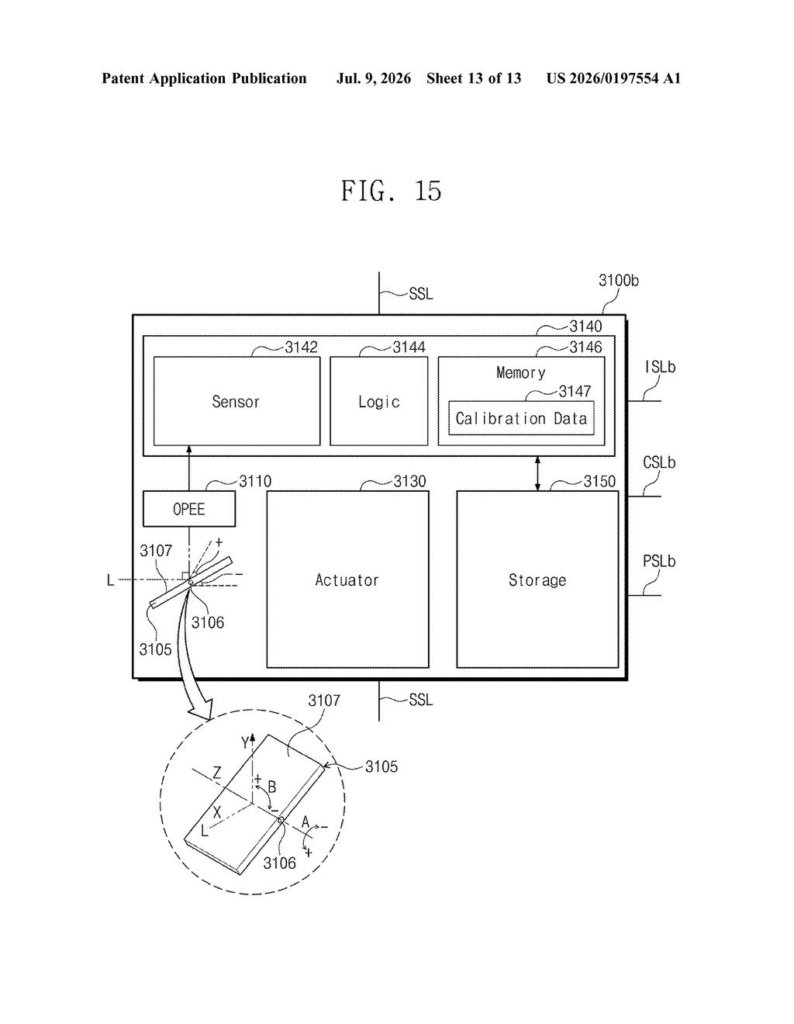
What Samsung's auto shutter-switching camera actually does
Imagine you're filming a ceiling fan in a dimly lit room. Your phone starts shooting in one mode, then realizes the spinning blades are creating a weird banding effect across the image. Samsung's patent describes a camera system that catches that problem automatically and switches to a different shutter mode to fix it, without you touching a setting.
The key is the chip inside your phone (called an application processor) analyzing the first frames it captures and deciding whether the current shutter mode is right for the environment. If the lighting, motion, or scene type calls for something different, it sends a signal to the camera sensor to switch over.
Right now, most people have no idea their phone even has different shutter modes, let alone when to use which one. Samsung's approach would make that whole decision invisible, handled automatically frame by frame.
How the processor reads the scene and triggers a shutter swap
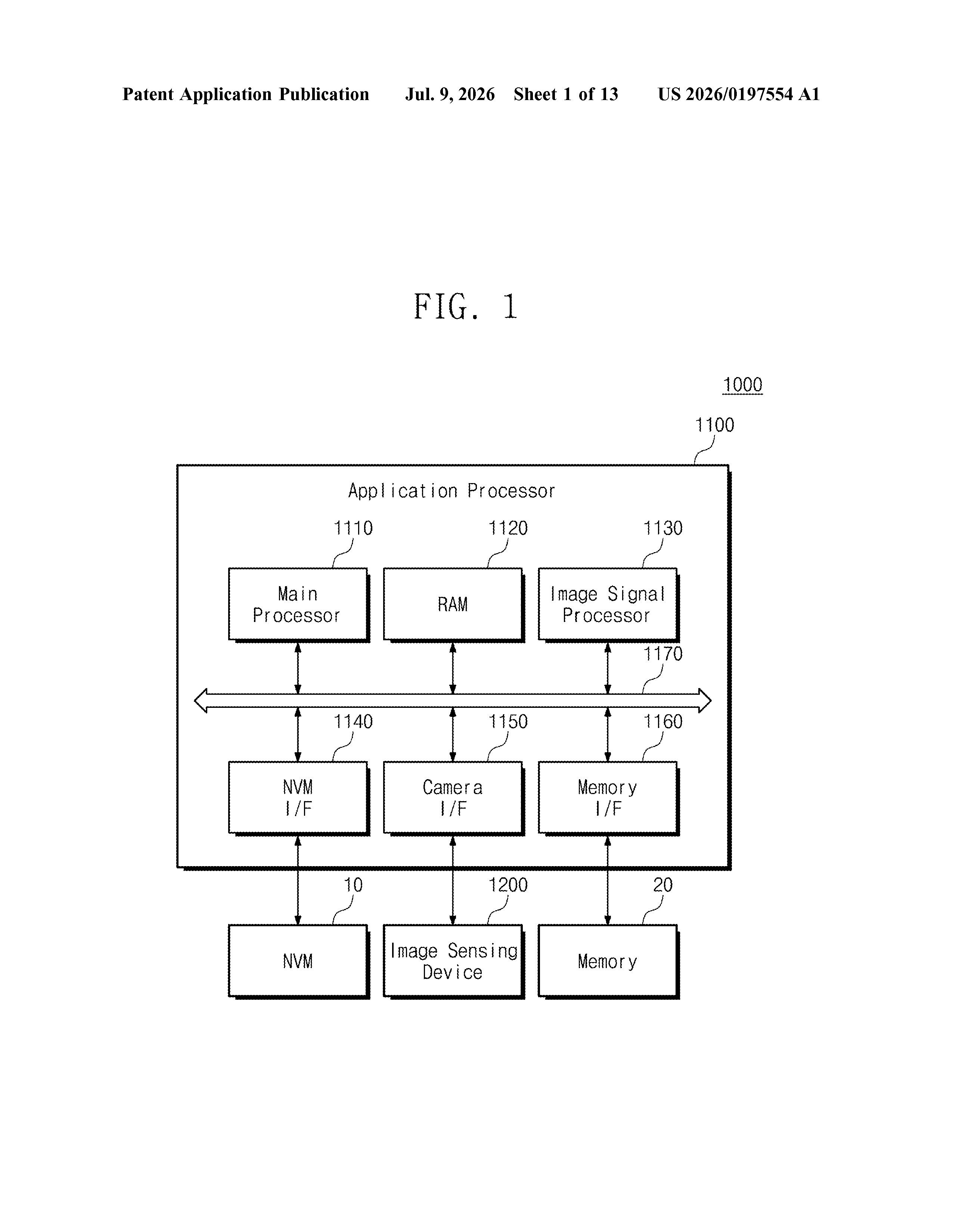
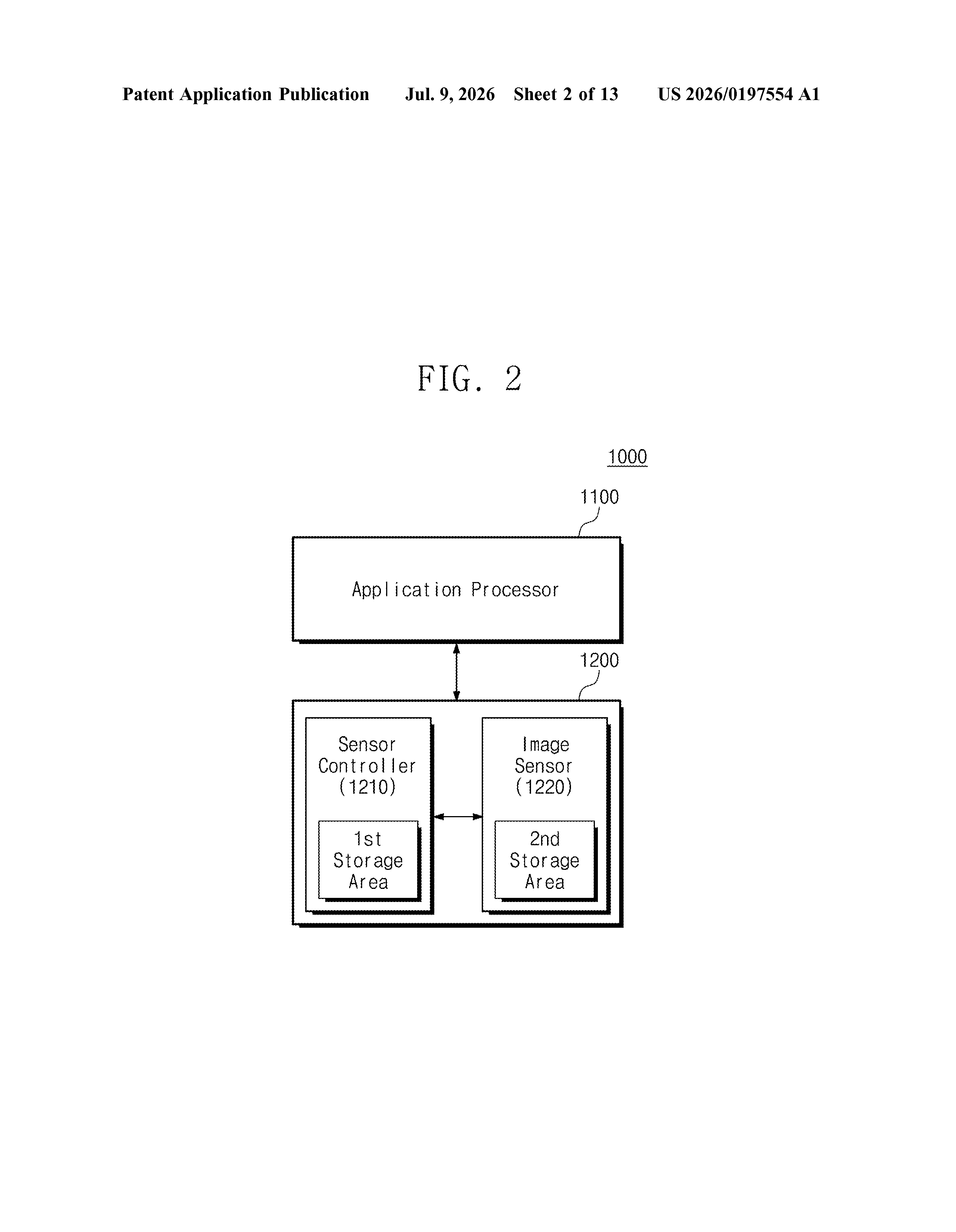
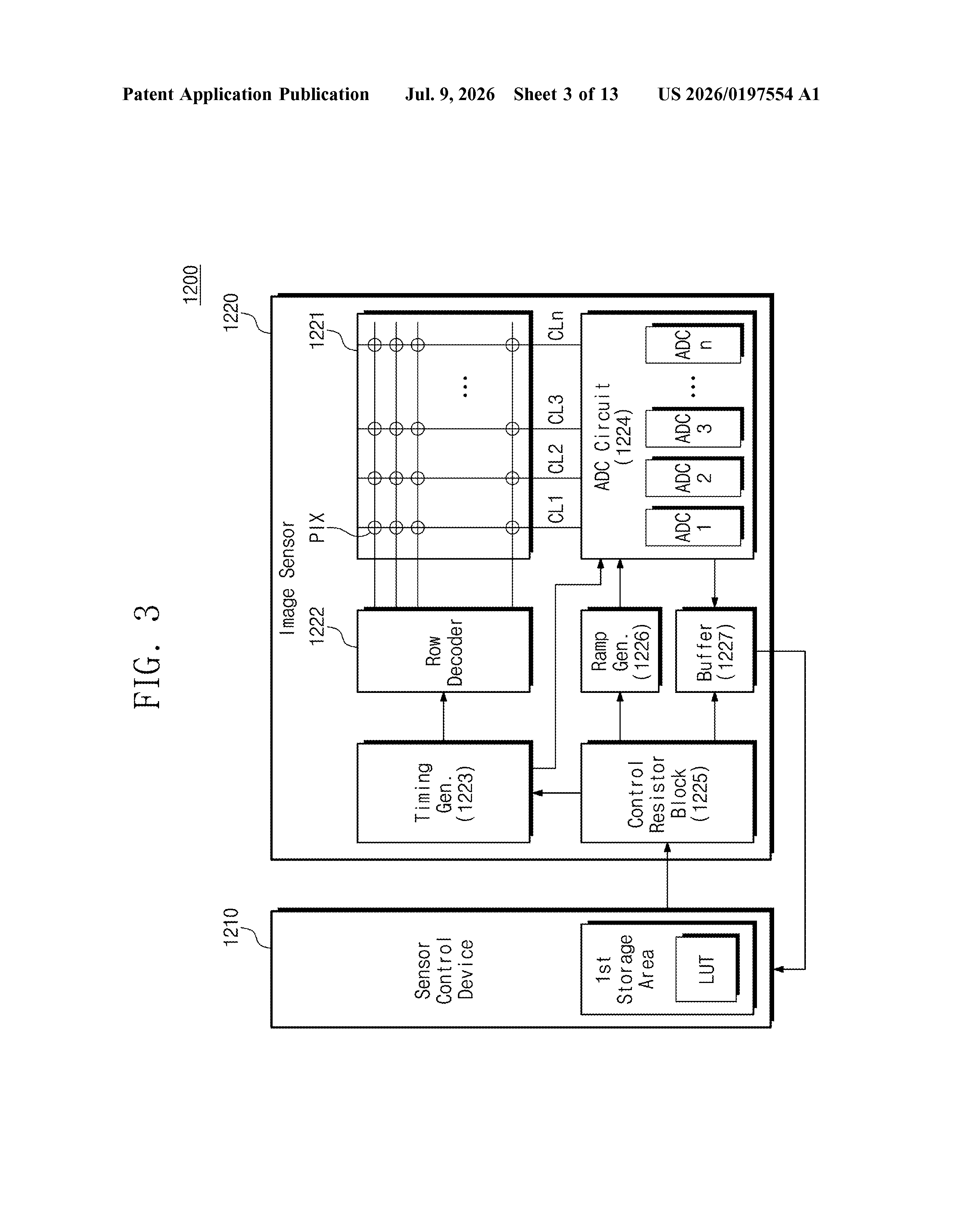
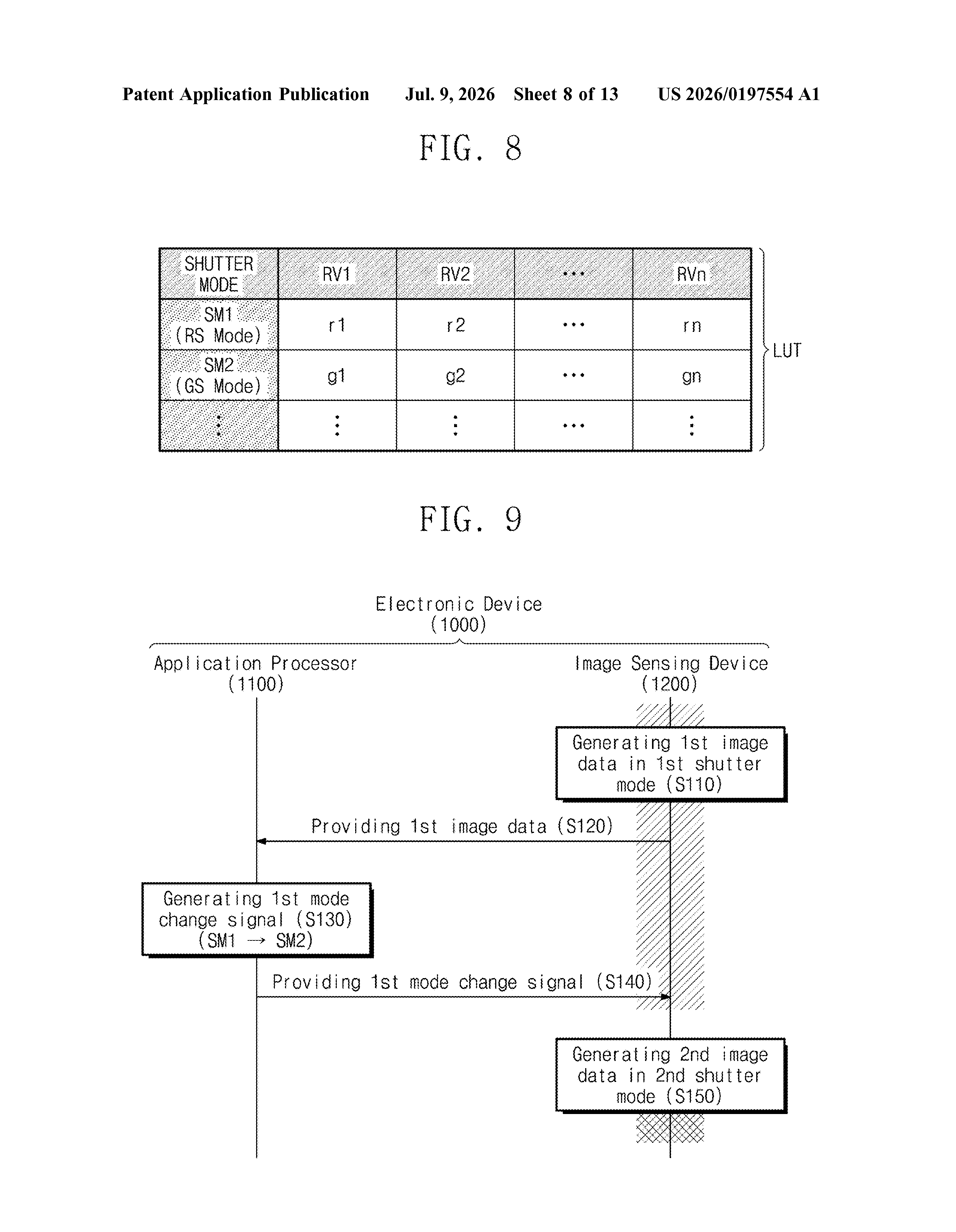
The patent describes a two-component system: an image sensing device (the camera sensor) and an application processor (the main chip that runs apps and processes data). These two talk to each other in a feedback loop.
Here's how the sequence works:
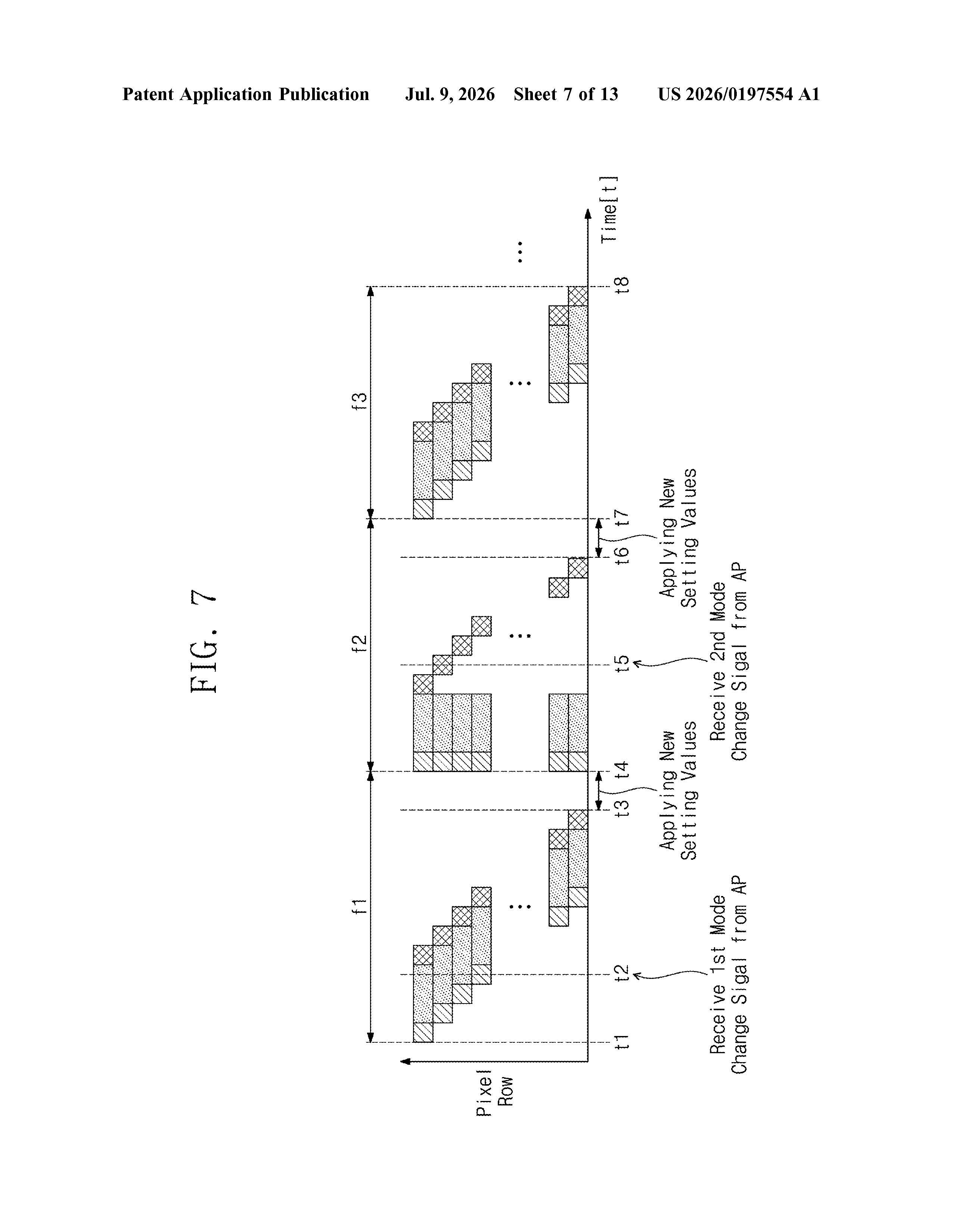
- The camera sensor captures an initial batch of image data using whatever shutter mode it starts in (called the "first shutter mode").
- The application processor analyzes that data and reads what it calls "photographing environment information", essentially context clues like how bright the scene is, how fast objects are moving, or whether artificial lighting is flickering.
- Based on that analysis, the processor sends a "mode change signal" back to the sensor, telling it to switch to a different shutter mode.
- The sensor then captures the next images using the new mode.
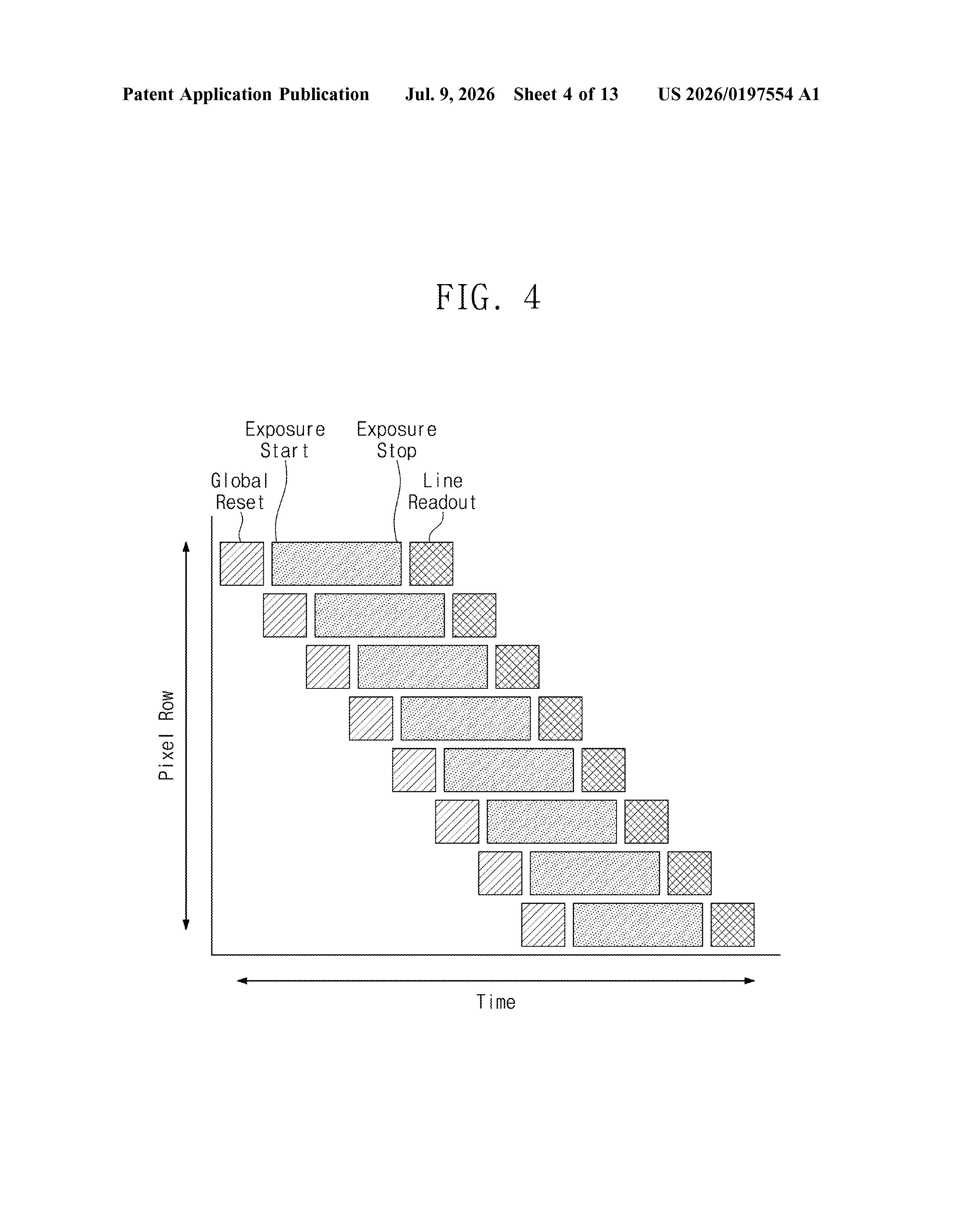
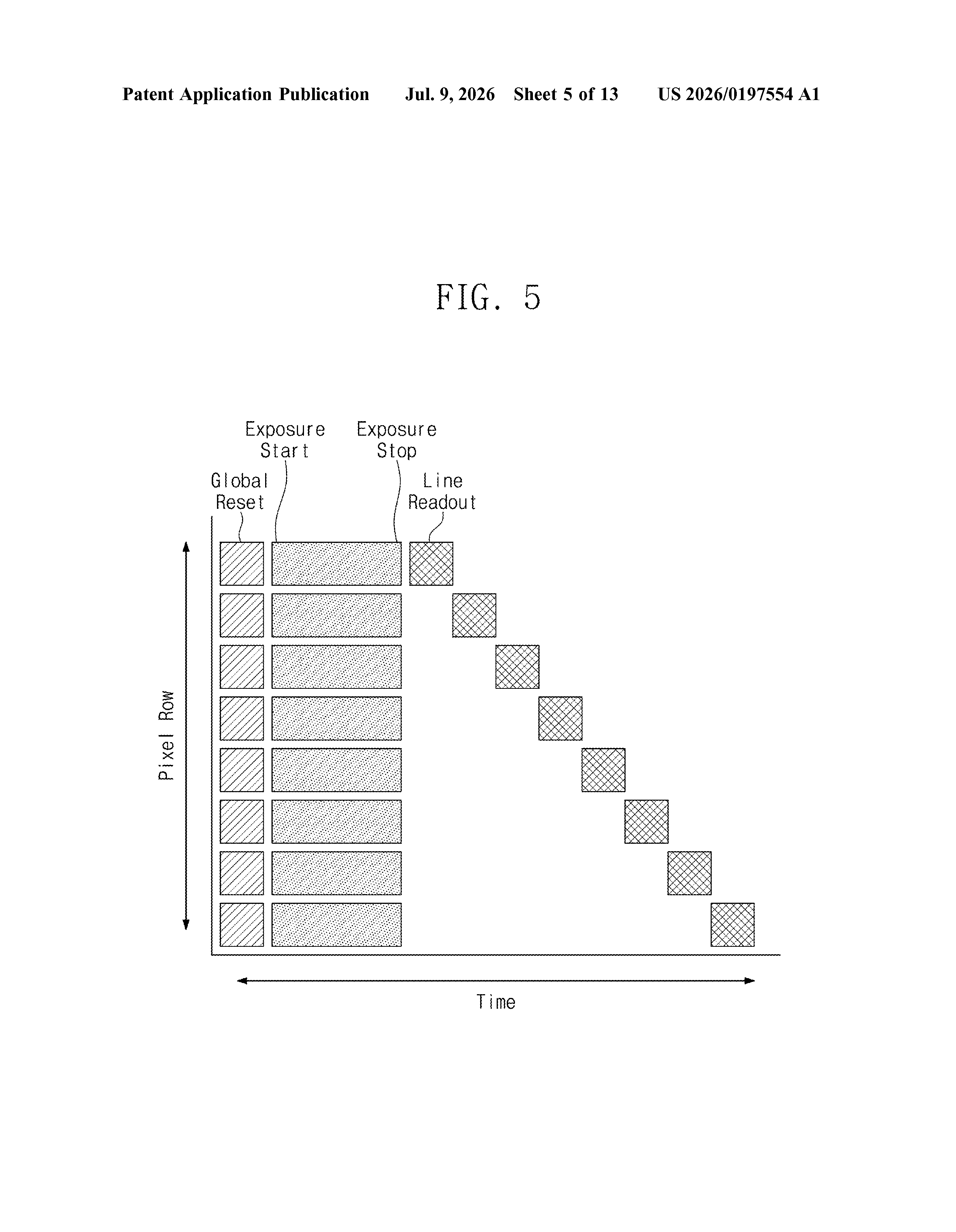
The two main shutter types in modern camera sensors are rolling shutter (which scans the image top to bottom, fast but prone to distortion with motion) and global shutter (which captures every pixel at exactly the same instant, better for motion but typically noisier). Samsung's system would let the phone pick between them dynamically based on the scene.
What this means for low-light and fast-motion phone photos
Most phone cameras today are locked into one shutter type for a given session, or switch only through manual settings most users never see. Automatic, real-time shutter-mode switching could meaningfully reduce two of the most common photo failures: the "jello" distortion that rolling shutter causes on fast-moving subjects, and the extra noise that global shutter introduces in low light.
For Samsung's Galaxy camera lineup, this kind of adaptive sensor control fits a pattern of pushing image processing intelligence closer to the hardware level. If this makes it into a shipping product, the practical result for you would be fewer wrecked shots of kids, pets, or anything else that doesn't hold still long enough for your phone's current setup to handle cleanly.
This is solid, incremental camera engineering rather than anything that will redefine phone photography. The feedback loop between processor and sensor is well-established in computational photography; what's new here is specifically applying it to shutter-mode selection. It's a real problem worth solving, and if Samsung ships it, it will improve a failure mode that frustrates a lot of people without them ever knowing why.
Get our take in your Top Stories
Liked this breakdown? Add Patentlyze as a preferred source on Google, and our plain-English take shows up more often in your Top Stories the next time Samsung patent news breaks.
There are more where this came from
We read every patent application Big Tech publishes and send you the ones worth knowing. Plain English, free, every week.
The drawings
13 drawing sheets from US 2026/0197554 A1 · click any drawing to enlarge
Want this weekly breakdown for a company we don't cover? Patentlyze Pro →