
IBM Patents a System That Reads App Screenshots to Translate Software Text Accurately
Translating an app into another language sounds straightforward until a button label that fits perfectly in English becomes a wall of text in German, or a polite phrase in Japanese comes out rude because the translator had no idea what screen it was on. IBM's new patent tackles that by giving the translation system a picture of the app itself.
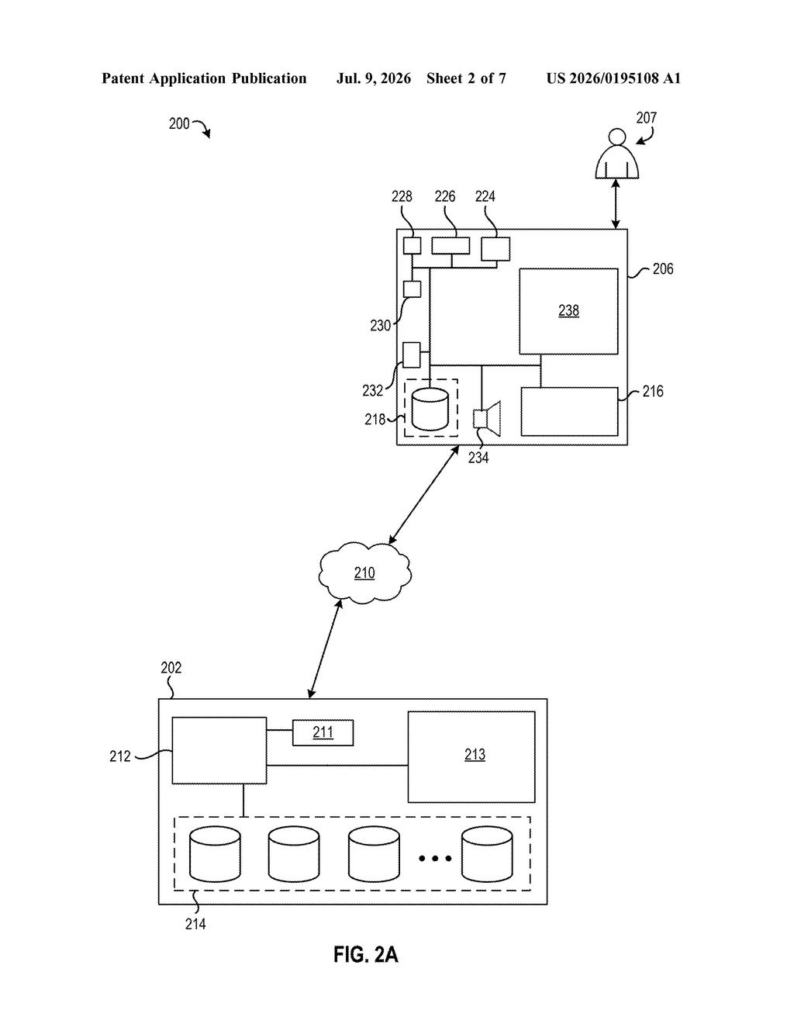
How IBM's screenshot-driven translation actually works
Imagine trying to translate a movie script without ever being allowed to watch the movie. You'd probably get the words right, but miss jokes, miss tone, and miss the moments where a character's name doubles as a pun. That's roughly the problem developers face when localizing software: the translator sees raw text strings like "Submit" or "Cancel" with no idea whether they appear on a payment screen or a settings menu.
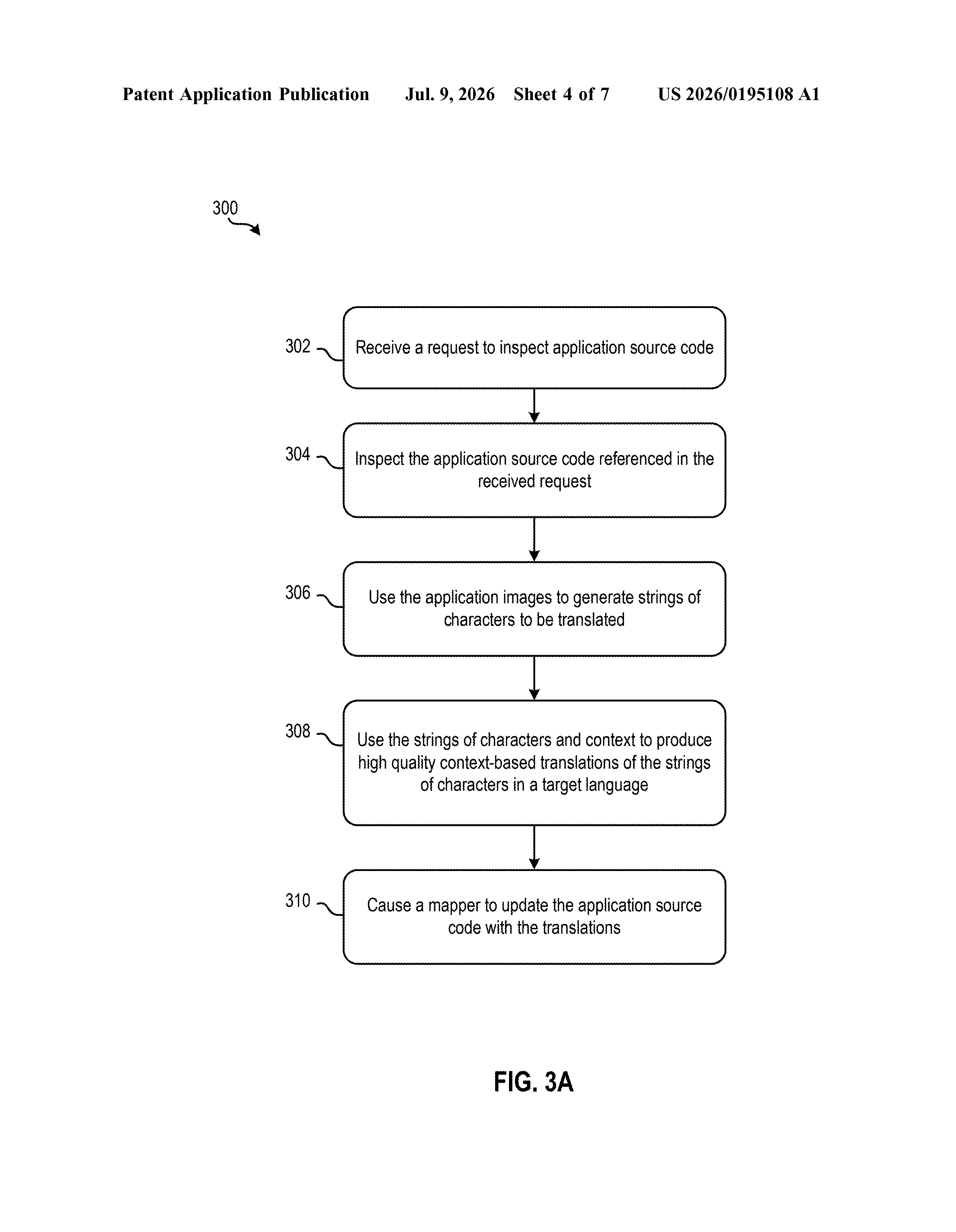
IBM's patent describes a system that first takes screenshots of a running application, then uses those images to figure out what each piece of text actually means in context before translating it. A word on a checkout button gets translated differently than the same word in a help tooltip.
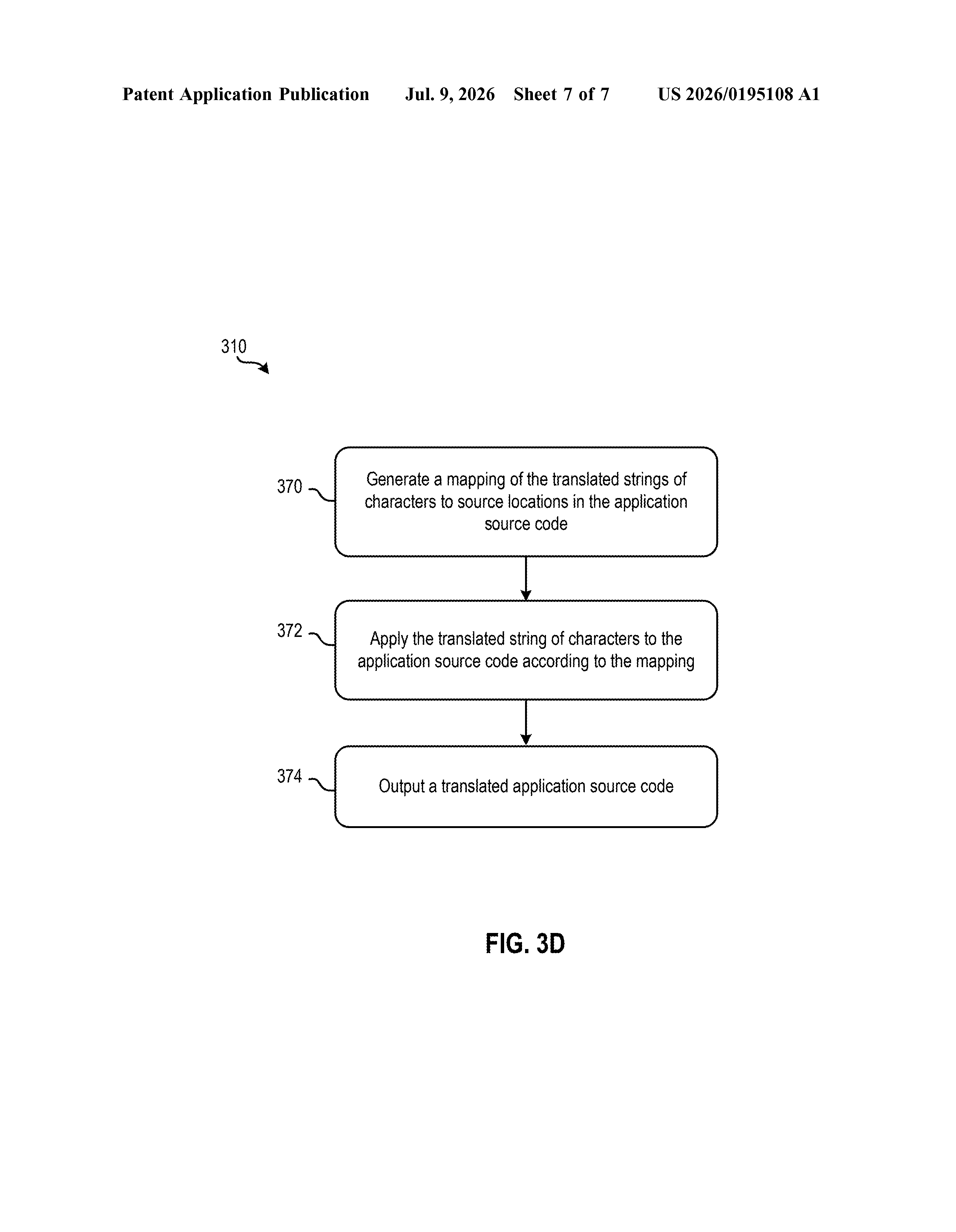
Once the translations are done, an automatic mapper goes back and plugs them directly into the original source code, so developers don't have to copy-paste anything by hand. The whole pipeline is designed to run with minimal human wrangling.
How the system maps translated strings back to source code
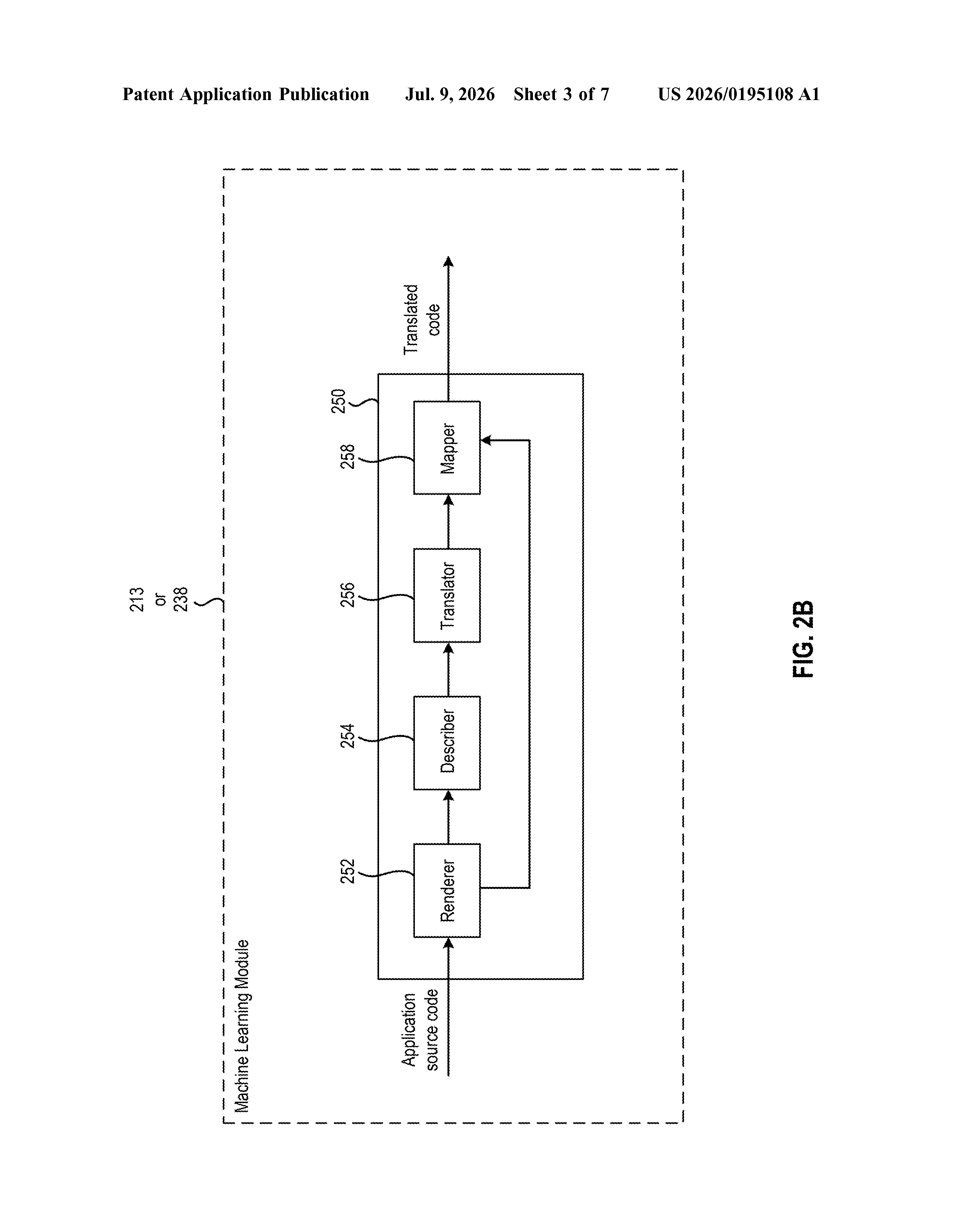
The patent describes a four-step pipeline built around the idea that visual context makes translations more accurate.
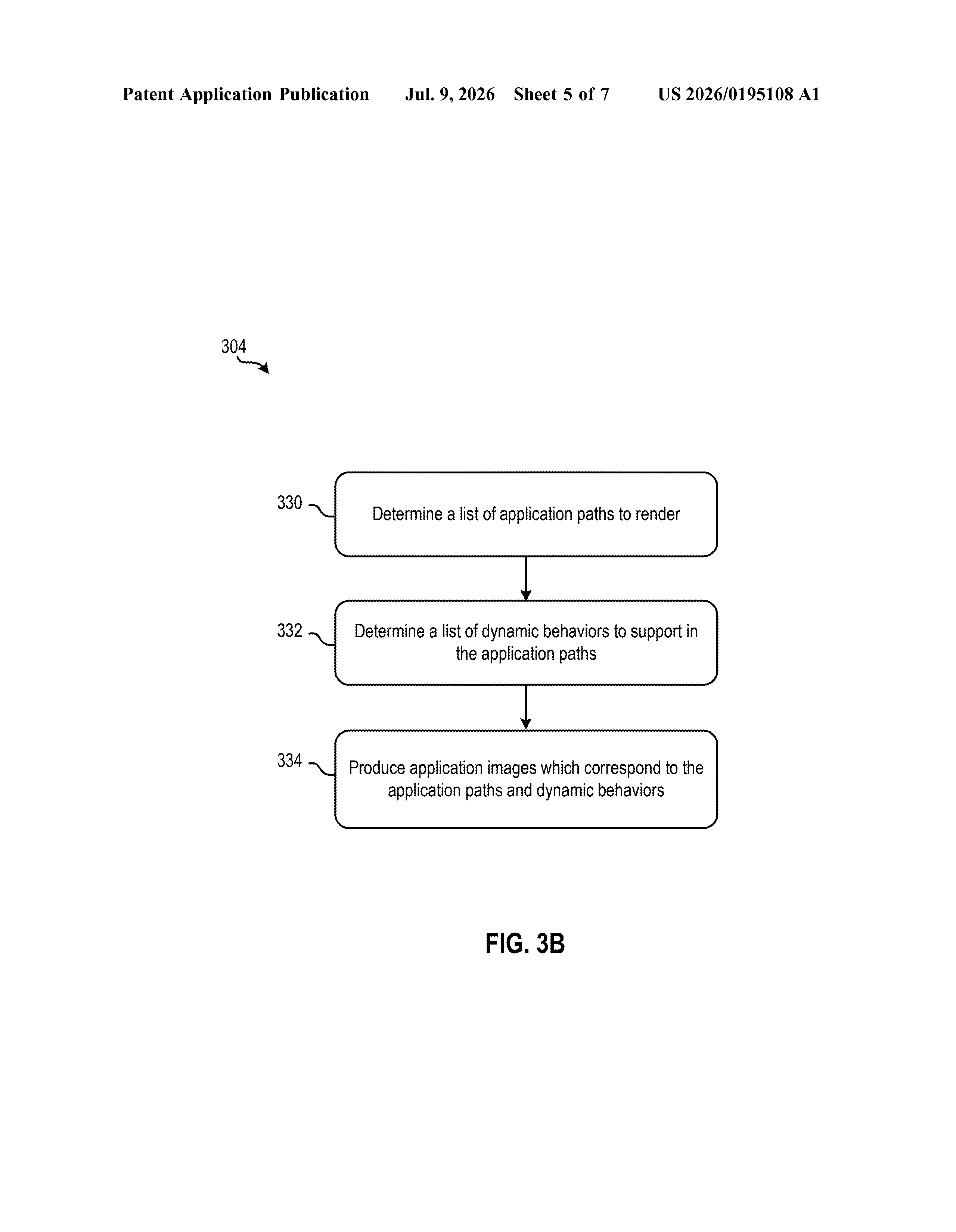
- Generate application images: The system renders the app and captures screenshots, essentially taking photos of every screen a user might see.
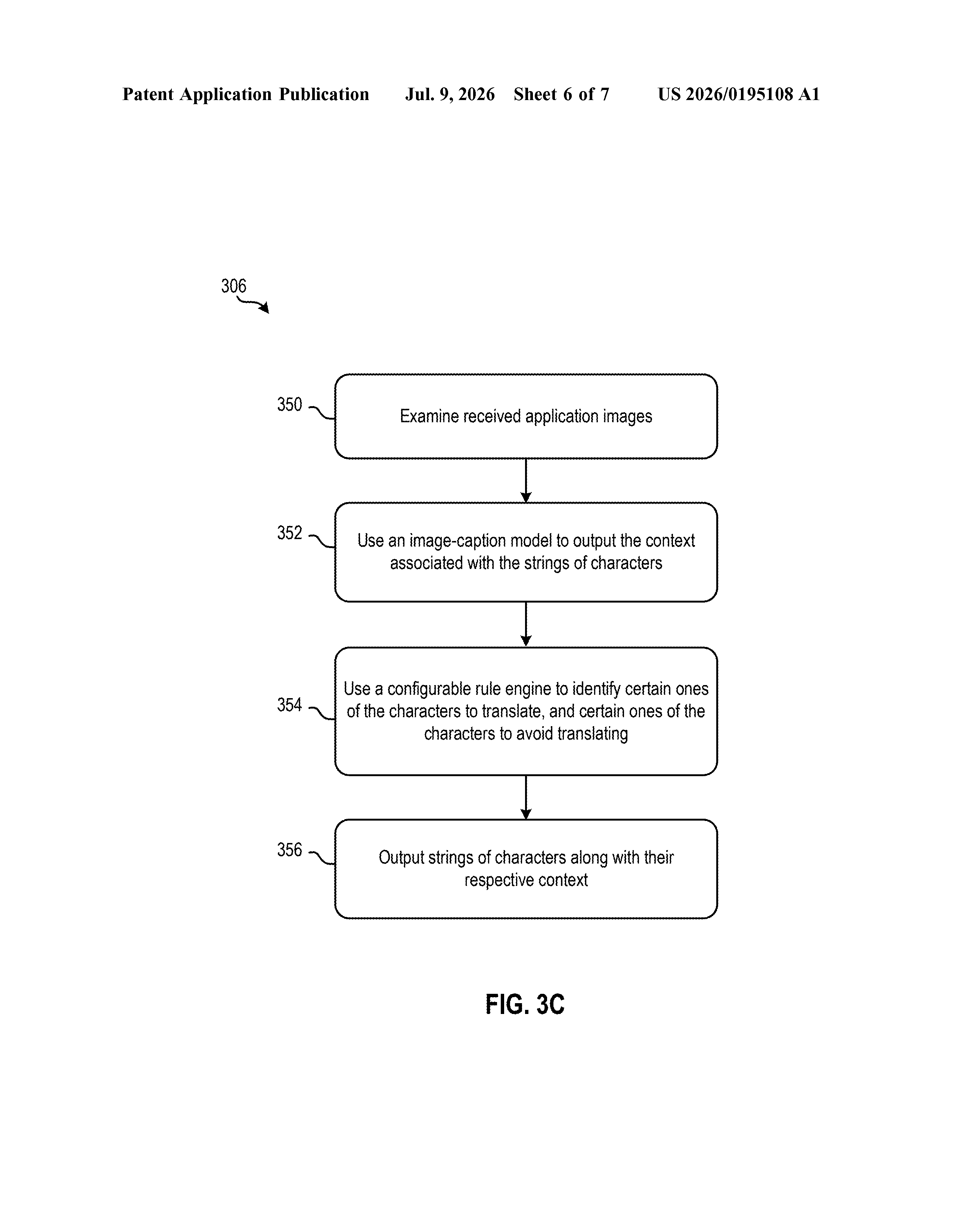
- Extract text strings: It pulls out all the translatable text it finds in those images, things like button labels, menu items, error messages, and tooltips.
- Build context: For each string, the system generates a description of where and how that text appears visually. A word sitting inside a red warning box carries different meaning than the same word in a navigation menu.
- Translate with context: The text strings and their context are fed together into a translation process, so the output reflects not just the literal words but their purpose on screen.
Finally, a mapper component traces each translated string back to its location in the original source code and updates it automatically. This closes the loop so developers don't need to manually reconcile translation files with code.
What this means for software built for global markets
Localization, turning software built in one language into something that works naturally in another, is one of the most time-consuming parts of shipping a global product. Most existing tools treat every text string as an isolated fragment, which leads to awkward or misleading translations that require expensive rounds of human review.
IBM's approach could reduce that review burden by making the AI-assisted translation step more accurate from the start. For enterprise software vendors shipping products in dozens of languages, that is a real cost and quality problem. The automatic code-update step is also notable: it removes a manual handoff that is a common source of errors in localization workflows.
This is a practical, well-scoped engineering patent rather than a flashy AI claim. The core insight, that a screenshot gives a translation system the context it needs to do a better job, is genuinely useful and not obvious. IBM has deep enterprise software customers who ship multilingual products, so there is a clear internal use case here, not just a filing for its own sake.
There are more where this came from
We read every patent application Big Tech publishes and send you the ones worth knowing. Plain English, free, every week.
The drawings
7 drawing sheets from US 2026/0195108 A1 · click any drawing to enlarge
Want this weekly breakdown for a company we don't cover? Patentlyze Pro →
Be the first to weigh in