
Sony Patent Stacks Separate Display Layers at Different Depths for Realistic Images
Sony is working on an AR display system that combines two separate image sources into one view, and can place each of them at a different apparent distance from your eye. The goal is making digital overlays feel less like stickers floating on the world and more like objects actually sitting in it.
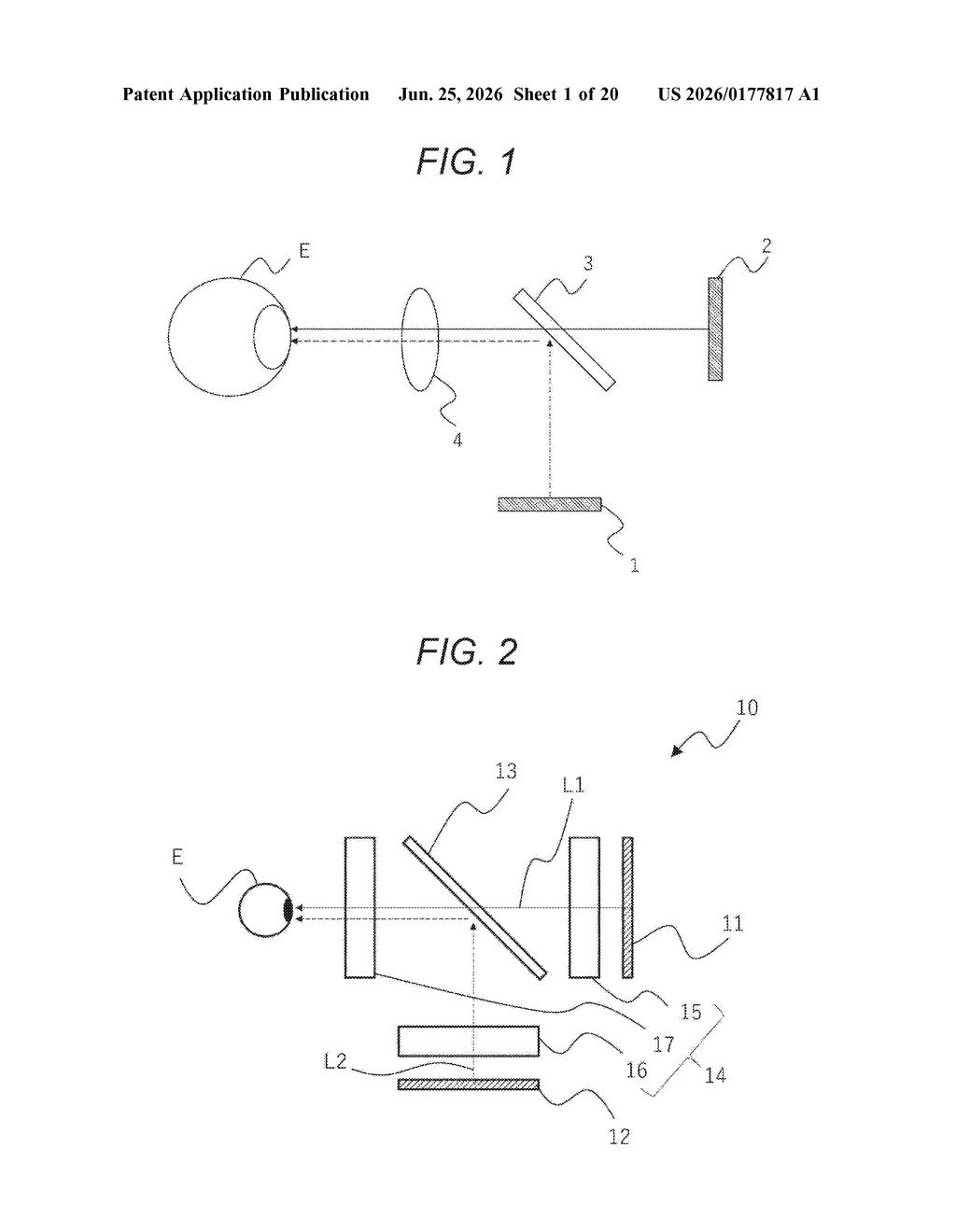
What Sony's two-layer AR display actually does
Imagine putting on AR glasses and seeing a navigation arrow hovering just ahead of your car's hood while a message notification floats closer, almost within arm's reach. Today's AR headsets struggle with that: they usually project everything onto a single flat plane, so all digital content seems to exist at the same distance regardless of what it's showing. That creates a subtle but persistent feeling of wrongness.
Sony's patent describes a display that uses two separate screens layered together with a partially reflective mirror. One screen's light passes straight through, the other's bounces off. The two beams merge into a single combined image before reaching your eye.
What makes it interesting is that Sony also wants to make the apparent depth of each layer adjustable. The system routes the merged light through a set of optics that form a temporary, in-between image at least once before it reaches you, which gives Sony fine-grained control over where each layer appears to sit in three-dimensional space.
How the optics merge and focus two separate images
The patent describes a near-eye display built around three main parts.
- A first display element and a second display element, two physically separate micro-screens generating their own images.
- An optical element (essentially a beamsplitter, a partially reflective mirror) that lets one screen's light pass through while reflecting the other's, combining both into a single beam called superimposed display light.
- A light guide optical system, a chain of lenses and mirrors that takes the combined beam and steers it into the viewer's eye.
The key technical detail is that the light guide system is required to form at least one intermediate image (a real, physical focus point) somewhere along the optical path between the screens and the eye. Forming an intermediate image is an established technique in optics for gaining extra control over magnification and focus without making the physical device larger.
By tuning the optics around that intermediate focus point, Sony says the system can shift the virtual image plane (the depth at which the digital content appears to float) independently for each of the two display layers. That means one layer can look like it's 50 centimeters away while the other looks like it's 3 meters away, using the same compact headset form factor.
What this means for AR headset eye comfort
The biggest comfort complaint about AR headsets is the vergence-accommodation conflict: your eyes rotate to aim at a virtual object at one distance, but they also try to focus at whatever depth the display physically sits at, which is usually different. Brains find that disagreement tiring over time. A display that can place different content layers at different apparent depths gets closer to resolving that conflict.
For Sony, which already sells the PlayStation VR2 and has a long history in professional broadcast and medical imaging optics, this patent sits at the intersection of consumer AR and high-precision display engineering. Whether it turns up in a future PlayStation peripheral, a standalone headset, or a professional device is an open question, but the underlying optics work here is clearly aimed at the next generation of wearable display hardware.
This is a technically solid filing that tackles one of the genuine, well-documented physical problems with AR headsets rather than a speculative feature. The vergence-accommodation conflict is a real barrier to comfortable long-term AR use, and a two-layer adjustable-depth approach is a credible engineering path toward fixing it. It's not flashy, but it's the kind of foundational optics work that shows up in real products.
There are more where this came from
We read every patent application Big Tech publishes and send you the ones worth knowing. Plain English, free, every week.
Want this weekly breakdown for a company we don't cover? Patentlyze Pro →