
Adobe Patent Targets AI-Generated Pixels With New Image Detection Tool
Instead of just telling you whether a photo is AI-generated, Adobe's new patent describes a tool that goes further: it highlights exactly which pixels in an image were made by a machine, and which ones are real.
What Adobe's pixel-level AI detection actually does
Imagine you receive a photo that looks real but feels slightly off. A basic AI detector might say 'this could be fake,' but it won't tell you where the fakery is. Adobe's new patent describes a system that works at the pixel level, marking individual regions of an image as either real or synthetically generated.
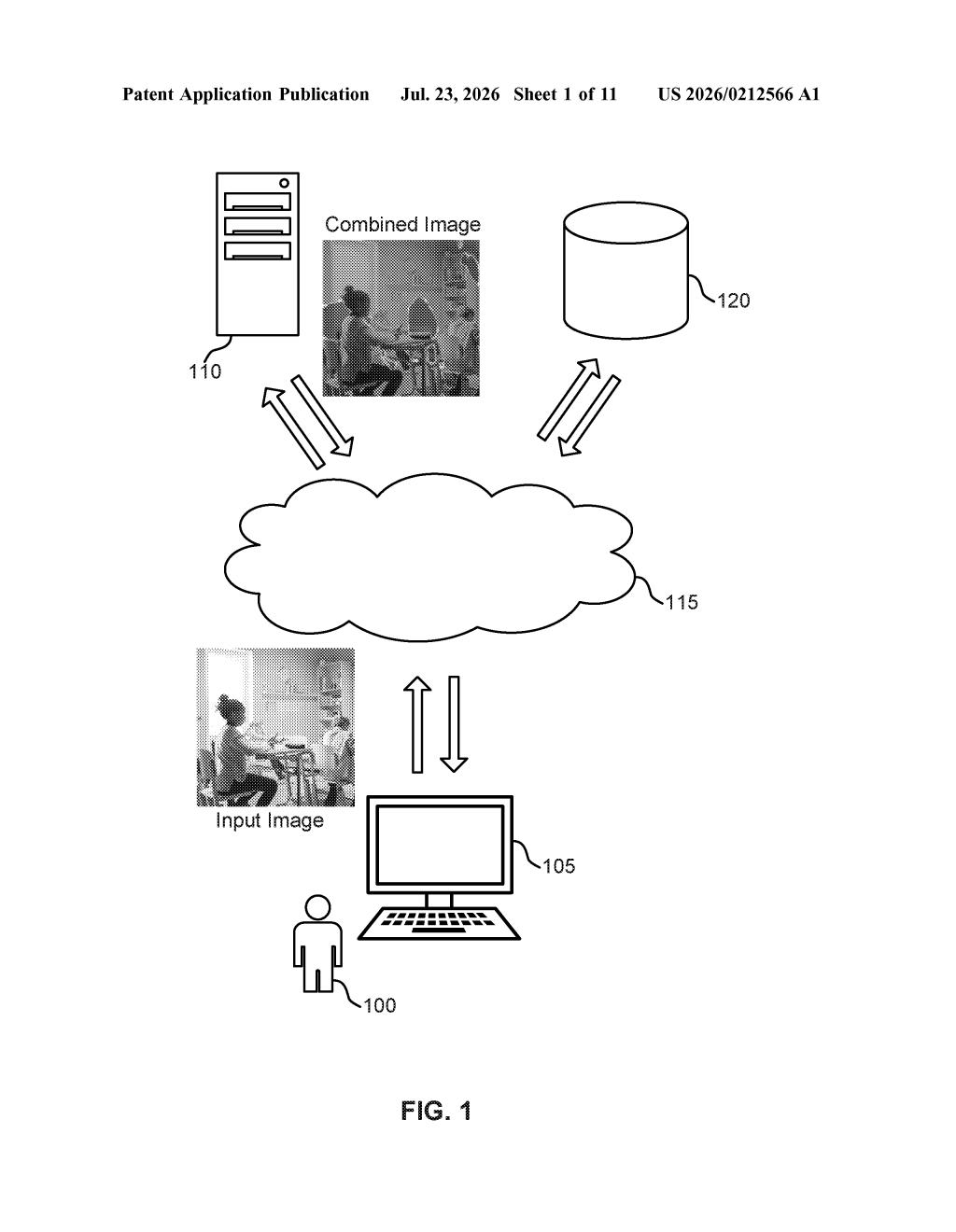
The result is a kind of annotated overlay, a combined image that shows you the original photo alongside a map of which parts were made by an AI. Think of it like a grammar checker that doesn't just say 'this essay has errors' but underlines each specific word.
To build this system, Adobe trains its model on a wide variety of real photographs and images from many different AI generators, not just one. That broad training diet is what lets it recognize the fingerprints of multiple AI tools, not only the ones Adobe builds itself.
How the model learns to spot synthetic pixels
The patent covers both a training method and a detection system. On the training side, Adobe feeds a machine learning model a large dataset of authentic photographs alongside synthetic images produced by several different generative AI models. By exposing the model to output from multiple generators rather than a single one, Adobe aims to build something that generalizes across the rapidly expanding ecosystem of AI image tools.
On the detection side, the trained model takes an input image and produces annotation information for each pixel, essentially a per-pixel verdict on whether that dot of color is likely real or machine-made. That annotation data is then used to produce a combined image, a visual output that overlays or highlights the synthetic regions on top of the original.
The pixel-by-pixel approach matters because modern AI image editing often affects only part of a photo. A face might be swapped, a background replaced, or an object inserted. A whole-image classifier would miss those partial manipulations, while a pixel-level map would catch them.
- Training data spans real images and output from multiple generative models
- The model assigns a real-or-synthetic label to each individual pixel
- A combined output image visualizes which regions are synthetic
What this means for photo trust and content credentials
For anyone working in journalism, legal proceedings, or brand content, the ability to pinpoint exactly which parts of an image are AI-generated is far more useful than a simple yes/no verdict. A photo of a product with an AI-swapped background is still partly real; a photo with an AI-generated face is a different problem entirely. Adobe's system, if it ships, would let you see the difference at a glance.
This also fits directly into Adobe's Content Credentials initiative, its ongoing push to attach provenance data to creative files. A pixel-level detection layer would be a natural complement to that ecosystem, giving recipients of images a concrete, visual way to assess authenticity rather than trusting an invisible metadata tag.
This is a genuinely useful idea, and Adobe is one of the few companies with both the training data and the distribution channel (Photoshop, Firefly, Stock) to make it stick. The hard part won't be the detection model itself but keeping it current as new generators emerge, which is probably why the patent emphasizes training across multiple different AI models from the start.
There are more where this came from
We read every patent application Big Tech publishes and send you the ones worth knowing. Plain English, free, every week.
The drawings
11 drawing sheets from US 2026/0212566 A1 · click any drawing to enlarge


Want this weekly breakdown for a company we don't cover? Patentlyze Pro →
Be the first to weigh in