Topic · AI image & video
Latest AI image & video patents
Generating and remaking pictures: text-to-image, video synthesis, upscaling, and the editing tricks that redraw photos after the shutter clicks.
- in November so far
- 24
- filings tracked
- 226
- last 90 days
- 100
Published November 19, 2026 · 3 filings in this topic
Samsung · Published Nov 19
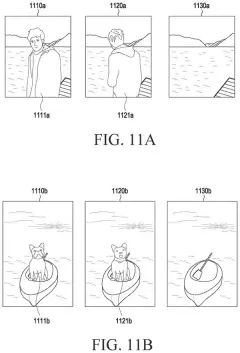
When you erase a stranger from a photo, AI tends to paint a brand-new stranger into the gap. Samsung's patent application describes a way to stop that from happening.
Apple · Published Nov 19
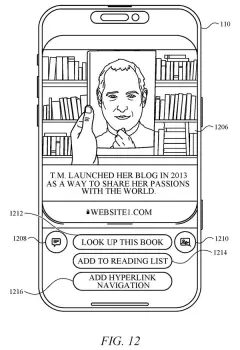
Your camera roll is full of menus, receipts and book covers you meant to do something with. Apple's filing describes a phone that looks at the photo, guesses your next move, and learns from what you actually tap.
Qualcomm · Published Nov 19
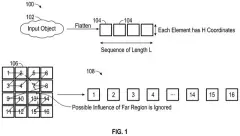
Qualcomm describes a way to organize the pieces of a photo into a layered tree, so far-apart parts can still influence each other without checking every pair.
Recent filings
Newest first · 226 total
-
Apple · Published Nov 19
Your camera roll is full of menus, receipts and book covers you meant to do something with. Apple's filing describes a phone that looks at the photo, guesses your next move, and learns from what you actually tap.
-
Samsung · Published Nov 19
When you erase a stranger from a photo, AI tends to paint a brand-new stranger into the gap. Samsung's patent application describes a way to stop that from happening.
-
Qualcomm · Published Nov 19
Qualcomm describes a way to organize the pieces of a photo into a layered tree, so far-apart parts can still influence each other without checking every pair.
-
Nvidia · Published Nov 12
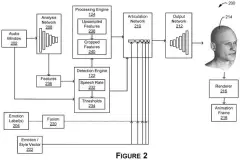
A new Nvidia patent application tackles a flaw in AI-animated faces: when a character talks fast, the mouth blurs sounds together. Its fix is to stretch the audio clues the AI sees, then keep only the middle.
-
Qualcomm · Published Nov 12
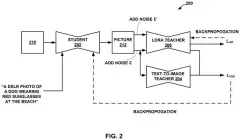
AI image tools make you wait because the model builds a picture through many small passes. A new Qualcomm patent application describes a model that finishes in as few as two to four, by learning from several teacher models at once.
-
Qualcomm · Published Nov 12
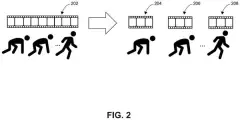
Qualcomm's patent decides which video frames an AI should bother with by comparing two sentences: one describing the whole clip, one describing a single frame. If they say about the same thing, the frame gets skipped.
-
Microsoft · Published Nov 12
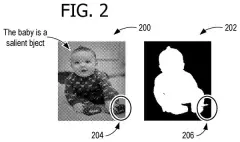
Microsoft's patent describes an AI that grades photo cutouts, catching flaws like a baby's missing foot, without ever being shown the correct answer.
-
Google · Published Nov 12
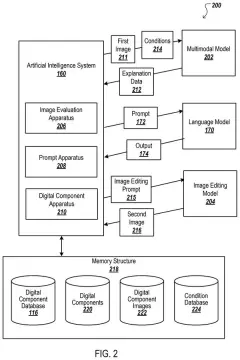
Google has a plan for the moment a platform rejects your image: instead of making you guess what went wrong, an AI works out the problem and edits the picture for you.
-
Google · Published Nov 12
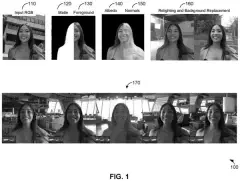
A background swap usually fails for one reason: your face is still lit by the room you were standing in. Google's patent application describes software that relights you to match the new scene.
-
Adobe · Published Nov 12
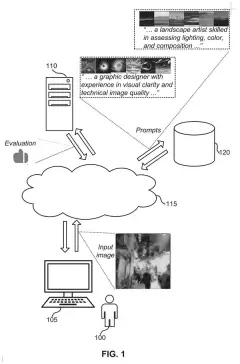
Adobe's patent application gives an AI image judge a panel of experts and a way to decide whose opinion counts most for each picture.
-
Samsung · Published Nov 12
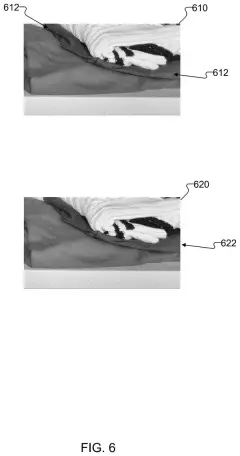
Samsung's patent application describes using the same family of AI behind image generators to repair the colors in dark photos, one small patch at a time.
-
Samsung · Published Nov 12
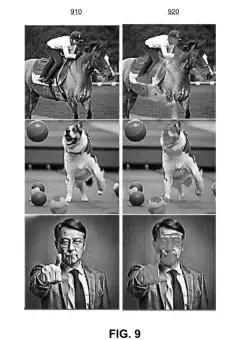
Samsung has filed a patent for an AI that grades other AI's pictures, giving each one a quality score and shading the exact spots that look wrong, such as distorted features or blurred regions.
One email a week
The week’s top patents. Plain English. Free.
The best of each week's release, picked and explained.
