
Samsung Patents a Dual-Screen System That Shows Different Apps on Each Display
Samsung is patenting a display setup where your phone and an external screen can each show a completely different app at the same time — not a mirror, but two independent windows running in parallel.
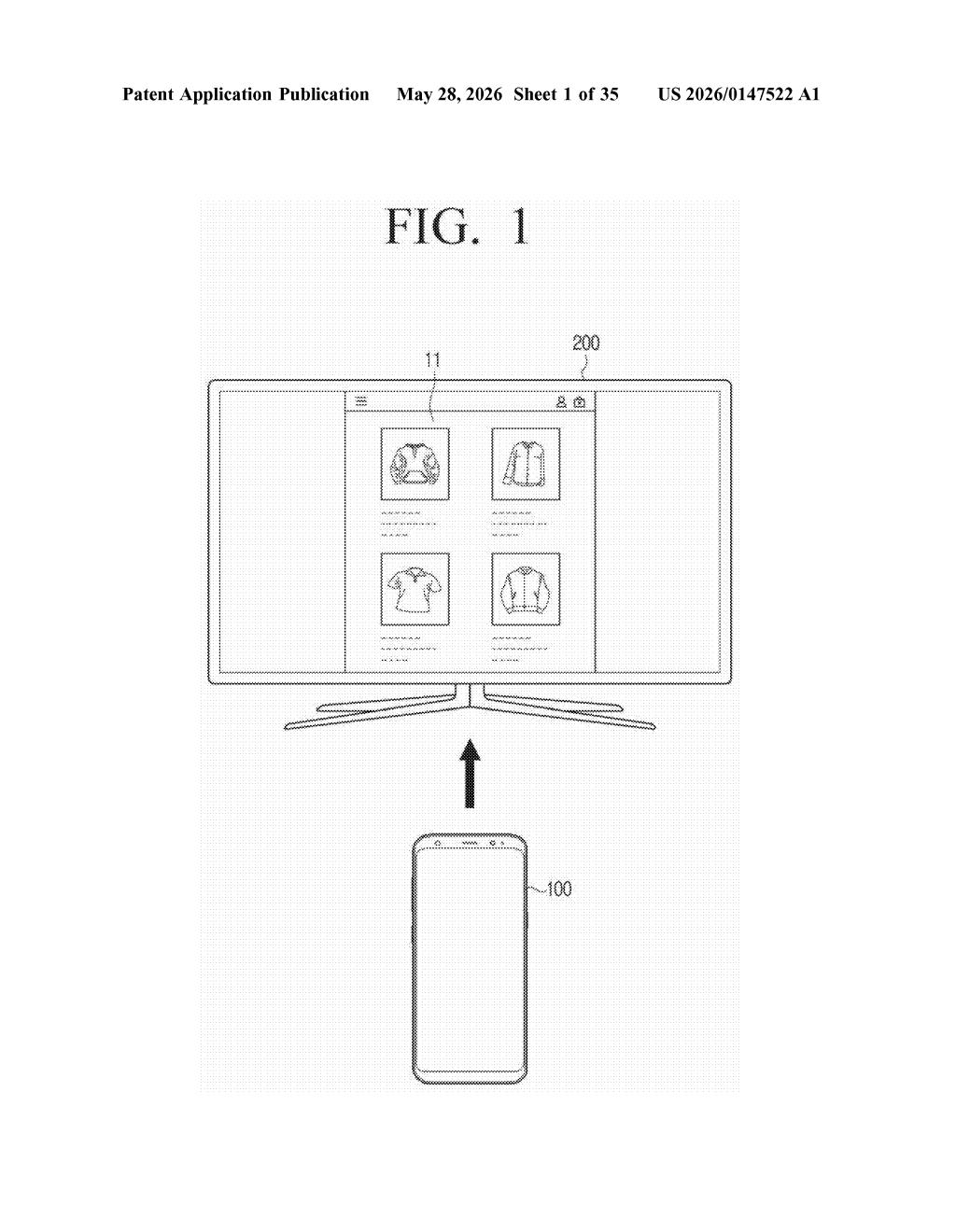
What Samsung's independent dual-screen mirroring actually does
Imagine you're watching a video on your Samsung TV while your phone is pulling up a completely different app — say, a game or a map — and the two screens are not showing the same thing. That's exactly what this patent describes.
Right now, most screen-casting or mirroring setups show the same content on both devices. Samsung's filing describes a system where a phone (or other electronic device) can send one app's output to an external display, while a different app continues running on the phone's own screen. The two displays operate independently.
The key wrinkle: when the first app stops being shown on the external display, the phone's screen automatically stops showing that second app too. So the two screens are linked in terms of what's to appear — but they don't have to match.
How Samsung's display controller splits app content across screens
The patent describes a display apparatus (think a TV, monitor, or smart display) that receives images from a connected electronic apparatus (a phone or tablet) over a communication interface.
Here's the specific behavior the claim locks in:
- When the external display starts showing a first image — generated by a first app based on a user command — the phone's own screen can simultaneously show a second image from a different app.
- But once that first image stops appearing on the external display, the phone's screen is also instructed not to show the second image anymore.
In plain technical terms: the two screens can show different content in parallel, but their states are coordinated — the phone's secondary content is conditionally gated on whether the external display is actively showing the primary content.
This is distinct from simple screen mirroring (where both screens show identical content) and from picture-in-picture. It's more like a session-aware split where each screen has its own app context, but the system enforces a dependency between them.
What this means for Samsung's multi-device screen-sharing
Samsung makes both phones (Galaxy) and TVs/monitors, so a seamless cross-device app-routing system is a natural fit for their ecosystem. This kind of independent dual-display behavior would let you, for example, use your phone for one task while casting a different app to your TV — without one screen hijacking the other.
The conditional gating — where the phone content disappears when the external display stops — also hints at a privacy or session-management angle: if you unplug or disconnect, the linked content on the phone clears too. Whether this shows up in a Galaxy feature like DeX, Link to Windows-style casting, or a Samsung TV pairing feature is anyone's guess, but the building blocks are here.
This is a fairly narrow UX patent covering a specific coordination rule between two screens. It's not a flashy idea, but the conditional state-linking — where the phone's app visibility is tied to whether the external display is active — is a real engineering decision that prevents user confusion in multi-device setups. It's the kind of quiet plumbing that actually makes ecosystem products feel polished.
There are more where this came from
We read every patent application Big Tech publishes and send you the ones worth knowing. Plain English, free, every week.
Want this weekly breakdown for a company we don't cover? Patentlyze Pro →