
Samsung Patent Automatically Mirrors Phone Themes Across Paired Devices Using AI
Imagine customizing your phone's look and having a paired smartwatch or tablet automatically update to match, without you touching a single setting. That's the core idea behind Samsung's latest patent.
How Samsung's AI theme-matching actually works
Picture this: you've spent time setting up a deep-blue night-sky theme on your phone, dark backgrounds, matching icon colors, the works. Now you pick up your Samsung tablet or glance at your smartwatch and everything looks completely different. It's a small annoyance, but it breaks the feeling that your devices belong together.
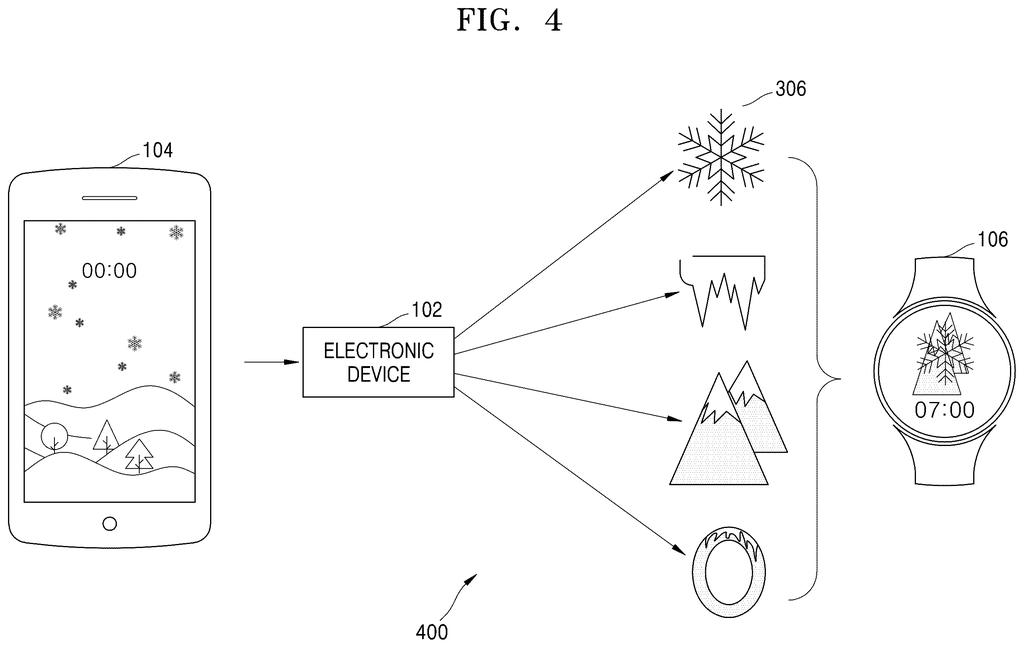
Samsung's patent describes a system where an AI looks at the visual theme on your phone, figures out what makes it tick (the colors, the style, the mood), and then builds a matching theme for a paired device automatically. The paired device might have a different screen size or shape, so the AI doesn't just copy-paste; it adapts.
The system generates several candidate themes and scores each one based on how well it fits, then picks the best match. You get a consistent look across your devices without having to do anything twice.
… determining, using an artificial intelligence (AI) model, one or more theme attributes based on the multimedia data …
Translation: An AI analyzes the media to figure out the key visual traits of the theme.
How the AI scores and selects the best matching theme
The patent describes a three-stage pipeline that runs on an intermediary electronic device (likely a phone or hub).
- Stage 1 - Theme analysis: The system receives multimedia data (screenshots, wallpapers, or UI assets) from the source device and feeds them into an AI model to extract "theme attributes" - things like dominant color palette, brightness level, font style, and overall visual tone.
- Stage 2 - Feature mapping: It then looks at what the target (paired) device's display can actually change: its "editable features," such as background color, icon style, or widget appearance. Every combination of a theme attribute and an editable feature becomes a candidate "theme element."
- Stage 3 - Scoring and selection: The AI assembles these elements into multiple full candidate themes and assigns each one a cardinality score (a measure of how completely and accurately the theme captures the original's attributes given the target device's constraints). The theme with the highest score wins and gets applied to the second device.
The key insight is that the second device may have very different display capabilities, so a direct copy isn't possible. The scoring system is designed to find the best achievable match, not just the closest visual copy.
… determining, as the theme to be generated for the second device, a theme with a maximum cardinality score from among the plurality of themes …
Translation: The system picks the best matching theme option to apply on your other device.
What this means for Samsung's multi-device ecosystem
Samsung sells phones, tablets, smartwatches, earbuds, and laptops under the Galaxy brand, and a big part of its pitch is that these devices work better together. Right now, visual consistency across those devices is largely a manual exercise. A patent like this points toward a future where your personal aesthetic follows you across the whole Samsung ecosystem automatically.
For Galaxy users, this could show up as a toggle in Samsung's themes app or Good Lock customization suite. The broader competitive angle is real too: Apple already keeps visual coherence tightly controlled across iPhone, iPad, and Mac through a shared design language. Samsung is patenting an AI-driven approach to solve the same problem for a much more fragmented hardware lineup.
This is a genuinely useful quality-of-life idea, and the cardinality-scoring approach is a clever way to handle the real problem: different screens can't always reproduce the same theme faithfully. Whether Samsung ships this as a full feature or buries it in a niche settings menu is the real question. Given how central Galaxy ecosystem marketing is to Samsung's current strategy, there's a reasonable chance something like this surfaces in a future One UI update.
There are more where this came from
We read every patent application Big Tech publishes and send you the ones worth knowing. Plain English, free, every week.
The drawings
6 drawing sheets from US 2026/0227746 A1 · click any drawing to enlarge


Want this weekly breakdown for a company we don't cover? Patentlyze Pro →
Be the first to weigh in