
Samsung Patents a Wristband Where the Screen Wraps All the Way to the Clasp
Most smartwatch screens stop at the watch face. Samsung is patenting a design where the display keeps going, wrapping across both bands and into the buckle itself.
What Samsung's wrap-around wrist display actually does
Picture a smartwatch, but instead of a square screen sitting on top, the display stretches across the entire band, all the way from one side to the other, including the clasp you use to close it around your wrist. That's the core idea in this Samsung patent.
The design splits the band into two sections. One side holds a motor or similar mechanism inside the clasp that can push or pull the flexible screen, presumably to adjust how it sits or how it curves around your wrist. The clasp itself is also designed to hold a portion of the live, displayable screen rather than just being a passive buckle.
In plain terms: the whole wristband becomes one long, continuous screen. There's no blank strap real estate. Every inch of what touches your arm could show information.
How the clasp holds and drives the flexible screen
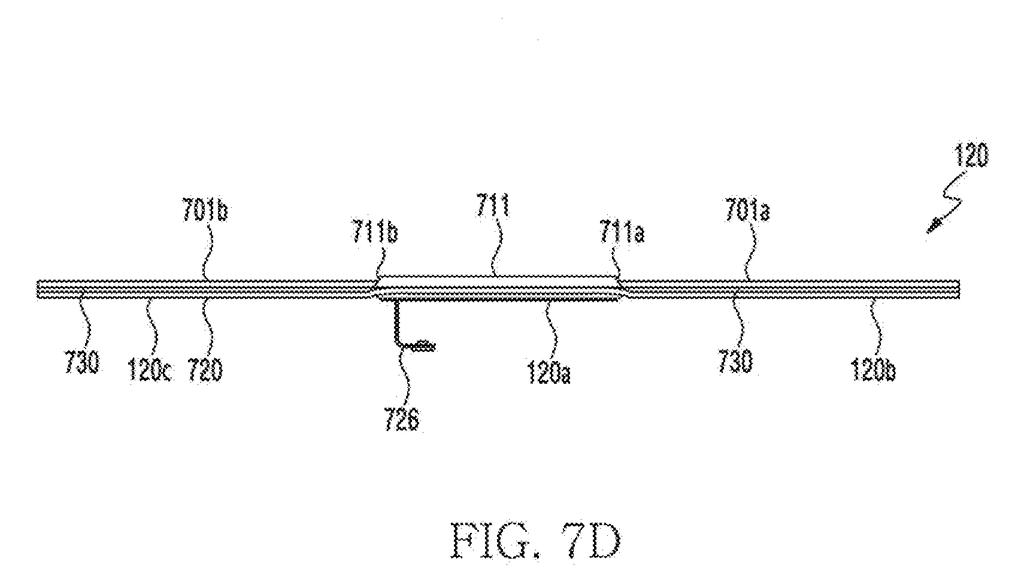
The patent describes a wearable device built around a central frame (think: the main watch body) with two bands extending from either side of it. A flexible display runs continuously across the frame and both bands, forming one uninterrupted screen surface.
The left band terminates in a fixing member, which is the clasp or buckle. That clasp does three things at once:
- It fastens to the free end of the right band to close the wearable around your wrist
- It physically holds a portion of the flexible display, meaning the screen extends into the clasp area rather than stopping before it
- It houses an actuator (a small motor or mechanical driver) that can transmit force to the display, likely to control how the screen bends, tensions, or repositions itself
The actuator detail is notable. Flexible OLED panels don't like uncontrolled bending; a motorized mechanism inside the clasp could help manage how the screen curls and straightens as you put the device on or take it off, reducing stress on the panel over time.
What this means for the future of Samsung wearables
Samsung already sells the Galaxy Watch line and has experimented with flexible-screen phones (the Galaxy Z Fold and Flip). This patent suggests the company is thinking about how to bring that form factor to wristwear in a more aggressive way than current rectangular smartwatch screens allow. A display that runs from clasp to clasp would give wearable apps a dramatically wider canvas for notifications, health data, or always-on information.
The practical challenge, which the actuator hints at, is durability. Flexible screens that bend thousands of times a day at a wrist joint are a real engineering problem. If Samsung's clasp-mounted motor can actively manage that flex, it could be the design detail that makes a wrap-around wrist display actually last. That's the piece worth watching.
This is a genuinely interesting form-factor bet from Samsung, not a routine tweak. The idea of running a live display all the way into the buckle is ambitious, and the motorized clasp detail suggests Samsung has thought at least one layer deeper than 'just make the screen longer.' Whether it survives contact with a real wrist for two years is another question entirely.
There are more where this came from
We read every patent application Big Tech publishes and send you the ones worth knowing. Plain English, free, every week.
The drawings
27 drawing sheets from US 2026/0211455 A1 · click any drawing to enlarge


Want this weekly breakdown for a company we don't cover? Patentlyze Pro →
Be the first to weigh in