
Samsung Display Patents a Screen Technology That Keeps Pixel Brightness More Stable
Samsung Display has filed a patent for a modified OLED pixel circuit that adds a second capacitor to help each pixel hold its brightness signal more accurately, a small structural tweak with real implications for display quality.
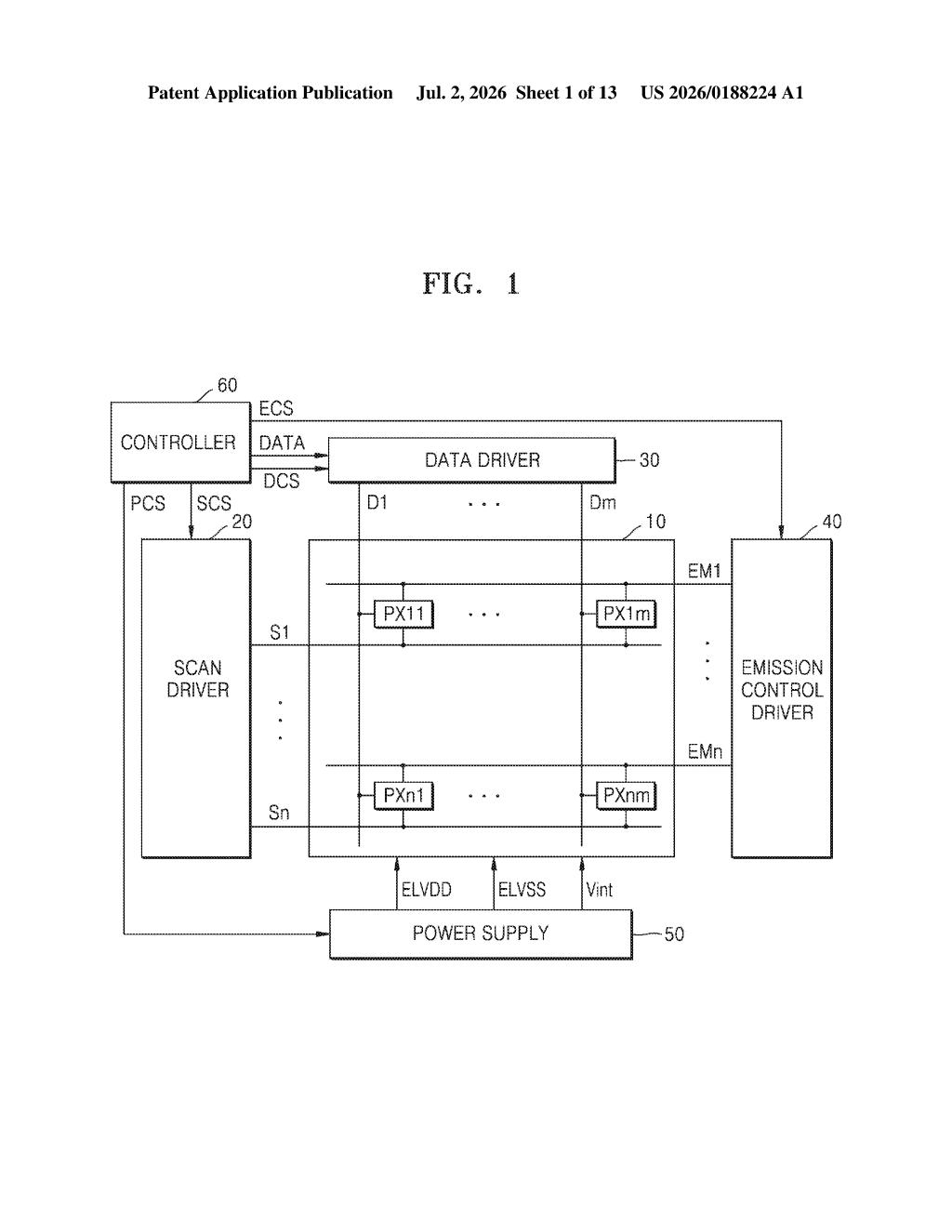
What Samsung's extra capacitor does for your screen
Imagine each pixel on your phone screen as a tiny light bulb that needs to know exactly how bright to glow at any given moment. That brightness instruction gets sent as an electrical signal, and if anything disturbs that signal before the pixel can act on it, you get colors that look slightly off or brightness that shifts in ways you weren't supposed to notice.
Samsung Display's patent adds a second small electrical component, called a holding capacitor, to each pixel's internal wiring. Its job is to grip onto that brightness signal a little longer and more reliably than the existing circuit can on its own.
This is the kind of quiet, component-level engineering that doesn't make headlines on its own but accumulates into the difference between a display that looks great and one that looks exceptional. It's infrastructure work inside the pixel itself.
How the holding capacitor stabilizes the pixel's voltage
The patent describes a pixel circuit built around five main components working together:
- A light emitting element (the OLED itself), connected between two power supply terminals
- A first transistor that acts as the gatekeeper controlling how much current flows to the OLED and therefore how bright it glows
- A second transistor that connects the incoming data line to an internal node (think of the node as a junction point inside the circuit)
- A storage capacitor connected between that internal node and the gate of the first transistor, which holds the brightness instruction voltage steady
- A holding capacitor connected between the same internal node and an anode initialization voltage terminal
The anode initialization voltage terminal is a reference voltage line used during the reset phase of each display refresh cycle. By connecting the holding capacitor between the data node and this terminal, the circuit gains an additional mechanism for stabilizing the signal at that junction, reducing how much the voltage drifts before the transistor can respond.
In display engineering, this kind of drift, called kickback noise, is a known enemy of image accuracy. The extra capacitor is a structural countermeasure.
What this means for future Samsung OLED displays
OLED displays live or die on per-pixel brightness precision, especially at low brightness levels where errors are most visible to the human eye. If the voltage controlling a pixel's brightness drifts even slightly during a refresh cycle, you get uneven brightness, color shifts, or the kind of subtle flicker that makes a display feel 'off' without viewers knowing exactly why.
For Samsung Display, which supplies OLED panels to Apple, Google, and its own Galaxy devices, incremental improvements to pixel circuit stability are a core part of staying ahead in the premium display market. This patent is a narrow, specific claim on one structural approach to that problem. It won't transform displays overnight, but it's the type of foundational circuit work that feeds into higher-quality panels over successive product generations.
This is a routine display-engineering patent, useful internal circuit work but not the kind of filing that signals a product direction or a major technical leap. Samsung Display files dozens of pixel-circuit patents like this every year. If you're tracking the company's display roadmap, it's worth knowing this exists, but it won't tell you much on its own.
Get our take in your Top Stories
Liked this breakdown? Add Patentlyze as a preferred source on Google, and our plain-English take shows up more often in your Top Stories the next time Samsung patent news breaks.
There are more where this came from
We read every patent application Big Tech publishes and send you the ones worth knowing. Plain English, free, every week.
Want this weekly breakdown for a company we don't cover? Patentlyze Pro →