
New Patent Turns Your Existing Photos Into 3D Object Models
Google is patenting a platform that takes ordinary photos from multiple users, figures out what object each photo shows, and trains a 3D model of that object automatically. The end result: photorealistic views of real-world things from any angle, without a 3D scanner in sight.
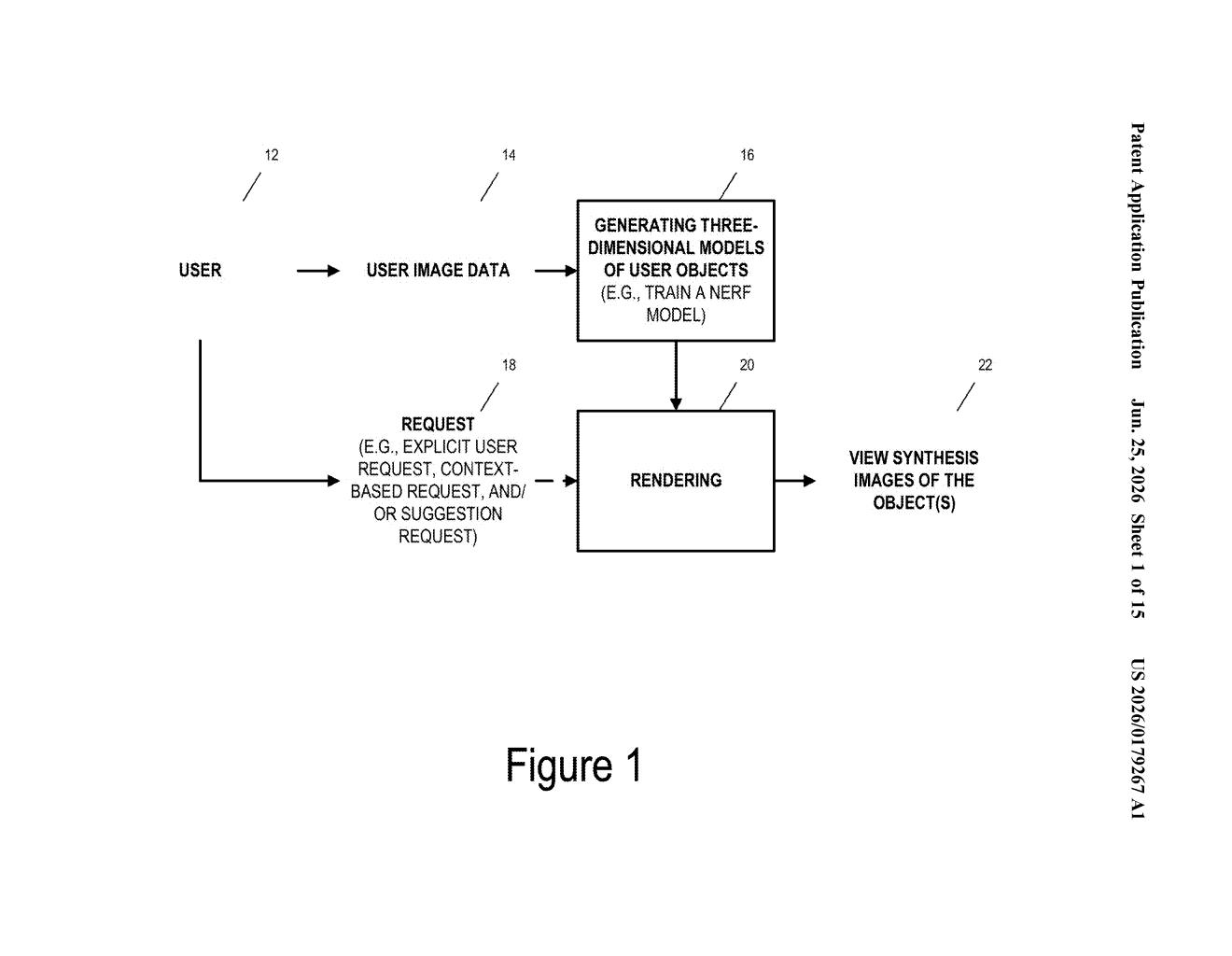
What Google's shared photo-to-3D system actually does
Imagine you want to see a pair of sneakers from every angle before buying them online. Right now, most product photos give you two or three flat shots. Google's patent describes a system that could change that by turning regular photos into interactive 3D models.
The way it works is fairly straightforward: the platform collects photos that many different users have taken of the same type of object, say a specific shoe model or a piece of furniture. It then uses those photos to train a system that can generate new views of that object from angles nobody actually photographed.
Because the platform is built for multiple users at once, it can pool photos from many people to build better models faster. You contribute your snapshots, the system does the heavy lifting, and everyone benefits from the resulting 3D view.
How the platform sorts images and trains per-object models
The patent describes a multi-user platform built around Neural Radiance Fields (NeRFs), a technique that reconstructs a 3D scene from a collection of 2D photos. Instead of requiring professional camera rigs, a NeRF model learns the geometry and lighting of an object by studying many photos taken from different angles.
The key step the patent adds is object-type sorting: before training begins, the system checks whether incoming user images actually depict the right category of object. Only matching images feed into a given model, keeping the training data clean and consistent.
Once a model is trained, it handles view synthesis (generating a photorealistic image of the object from a viewpoint that was never directly photographed). The platform is designed to:
- Accept image uploads from many users simultaneously
- Classify images by object type before training
- Train one or more NeRF models per object category
- Serve the resulting 3D views back to users on demand
The claim set is listed as canceled in this publication, which is common during prosecution and doesn't necessarily mean the application is abandoned.
What this means for Google's 3D and shopping tools
For Google, this sits at the intersection of Google Shopping, Google Lens, and the company's long-running interest in 3D content. A system that automatically builds accurate 3D models from crowd-sourced photos could make product listings far more detailed without requiring retailers to hire 3D artists or buy expensive scanning equipment.
For you as a user, the practical upside is richer, more trustworthy product previews and potentially better augmented-reality try-before-you-buy features. The crowd-sourcing angle is also notable: instead of one company photographing every product in existence, Google could lean on the billions of photos people already share to do the work.
This is a genuinely useful application of NeRF technology, and the crowd-sourced angle is the smart part. The hard problem with NeRFs has always been getting enough diverse photos of a single object; building a platform that pools images from many users solves that neatly. Whether Google ships this as a product feature or it stays a research patent is the real question.
There are more where this came from
We read every patent application Big Tech publishes and send you the ones worth knowing. Plain English, free, every week.
Want this weekly breakdown for a company we don't cover? Patentlyze Pro →