
Google
Google · AI / ML · Filed May 21, 2025 · USPTO published Jul 9, 2026 · Jul 9 release
Google Patent Teaches AI to Detect Sounds From a Single Audio Example
Most audio AI systems need thousands of labeled recordings to learn a new sound. Google's latest patent describes a system that can learn to detect a sound from just one clip, and then decide whether it's listening for that exact sound or an entire category of similar sounds.
- Publication number
- US 2026/0195089 A1(US20260195089A1)
- Applicant
- Google LLC
- Filed · Published
- May 21, 2025 · Jul 9, 2026
- Inventors
- Aren Jansen, Daniel Patrick Whittlesey Ellis
- Status when we published
- Waiting for an examiner
- Document
- 20 claims
- US classification
- 700/94
- Parent application
- National Stage Entry of PCT/US2022/051946 (filed Dec 6, 2022)(PCTUS2022051946)
What Google's one-shot sound detector actually does
Imagine you want your phone to alert you every time a specific baby's cry starts, or every time a smoke alarm goes off anywhere in your home. Today, teaching an AI to recognize a brand-new sound reliably is genuinely hard: it typically requires collecting and labeling hundreds or thousands of examples. Most consumer devices ship with a fixed list of sounds they can detect and nothing else.
Google's patent describes an AI model that you can give a single reference recording, essentially saying "listen for something like this," and the model figures out whether to watch for that exact audio moment or any sound in the same general family. A single dog-bark clip could teach it to detect that specific bark or all dog barks depending on how you configure it.
The same model handles both jobs without retraining from scratch each time, which is the real trick here. That flexibility could make "teach your device a new sound" feel less like a software project and more like dropping a voice memo.
How the reference encoder and detector train together
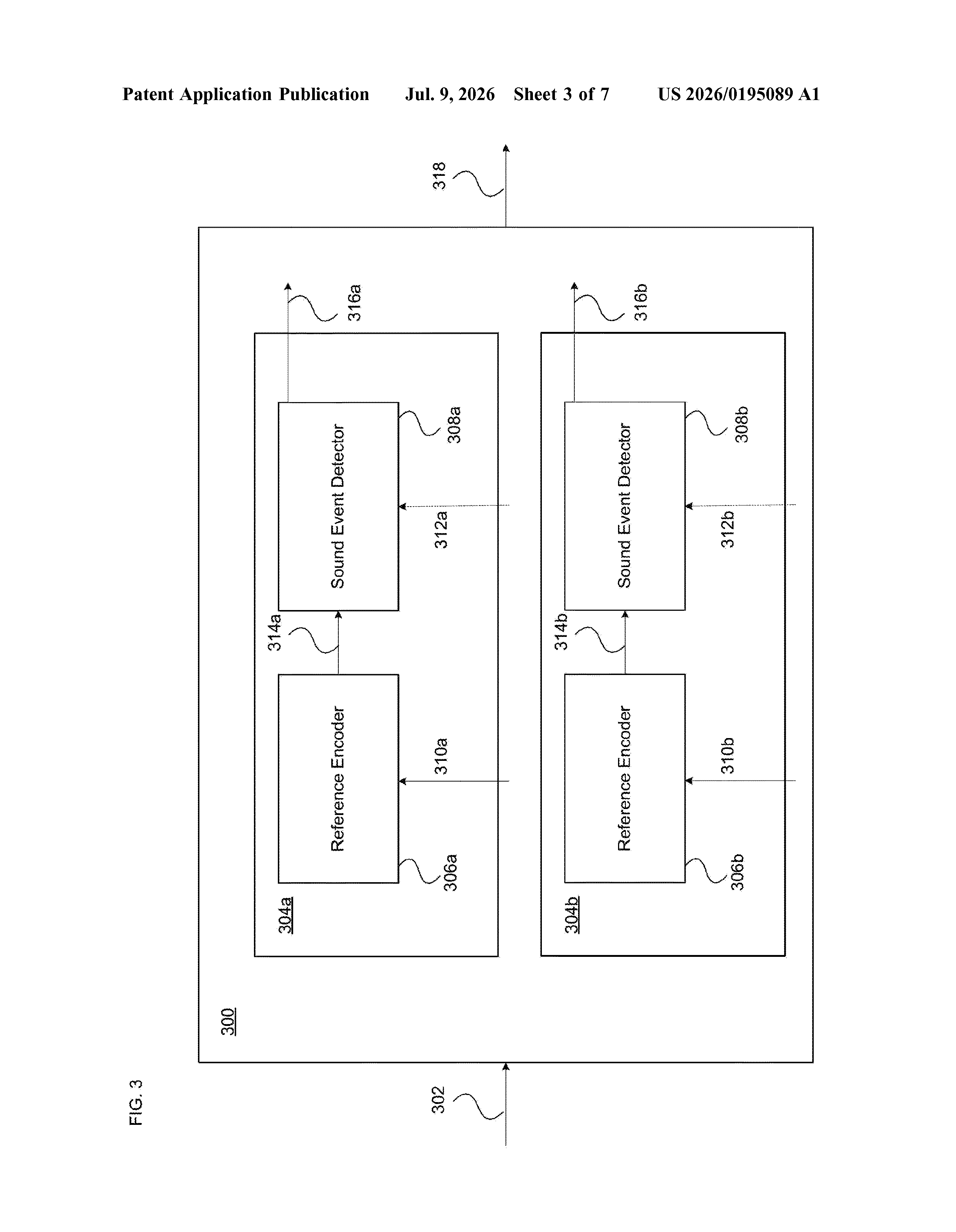
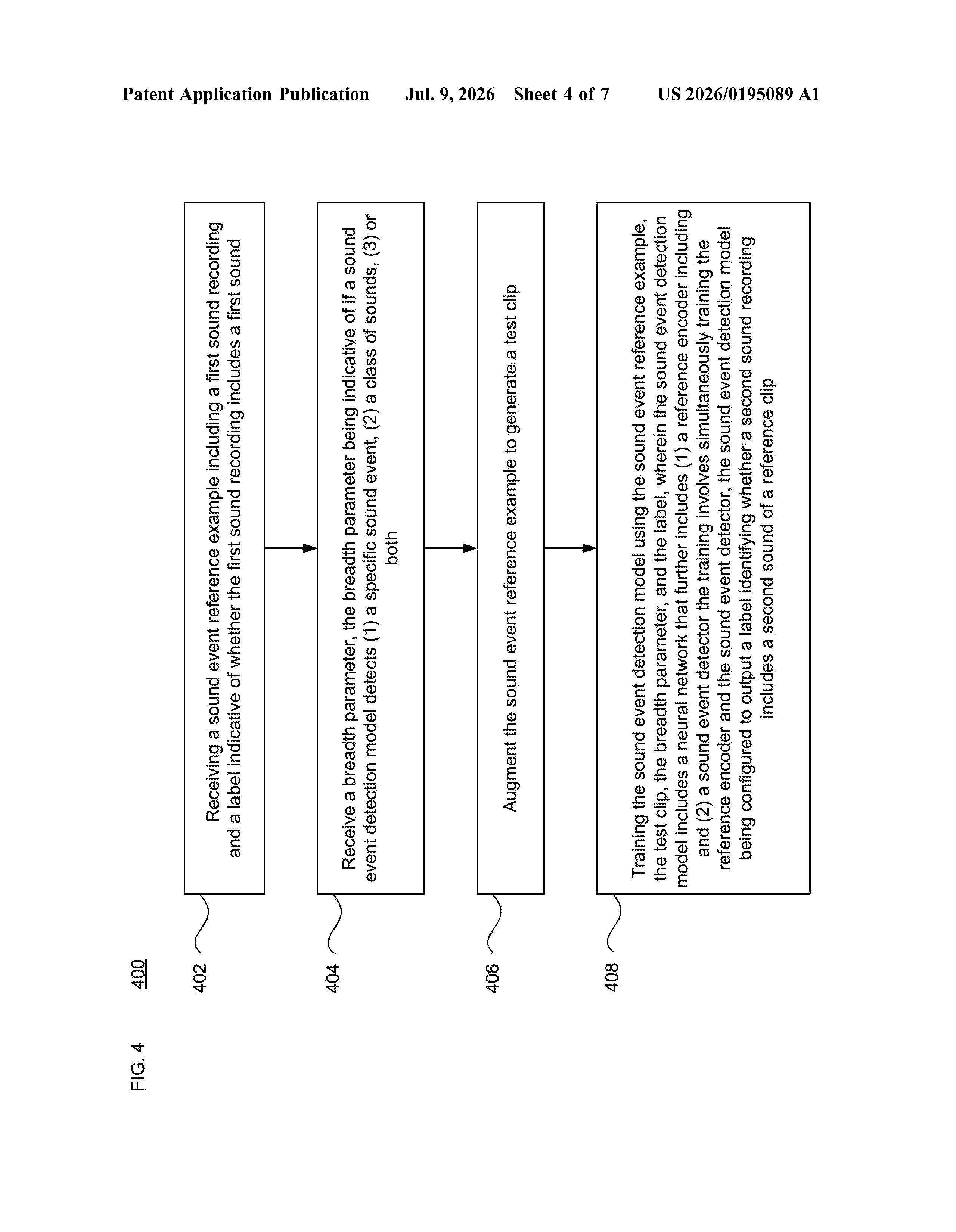
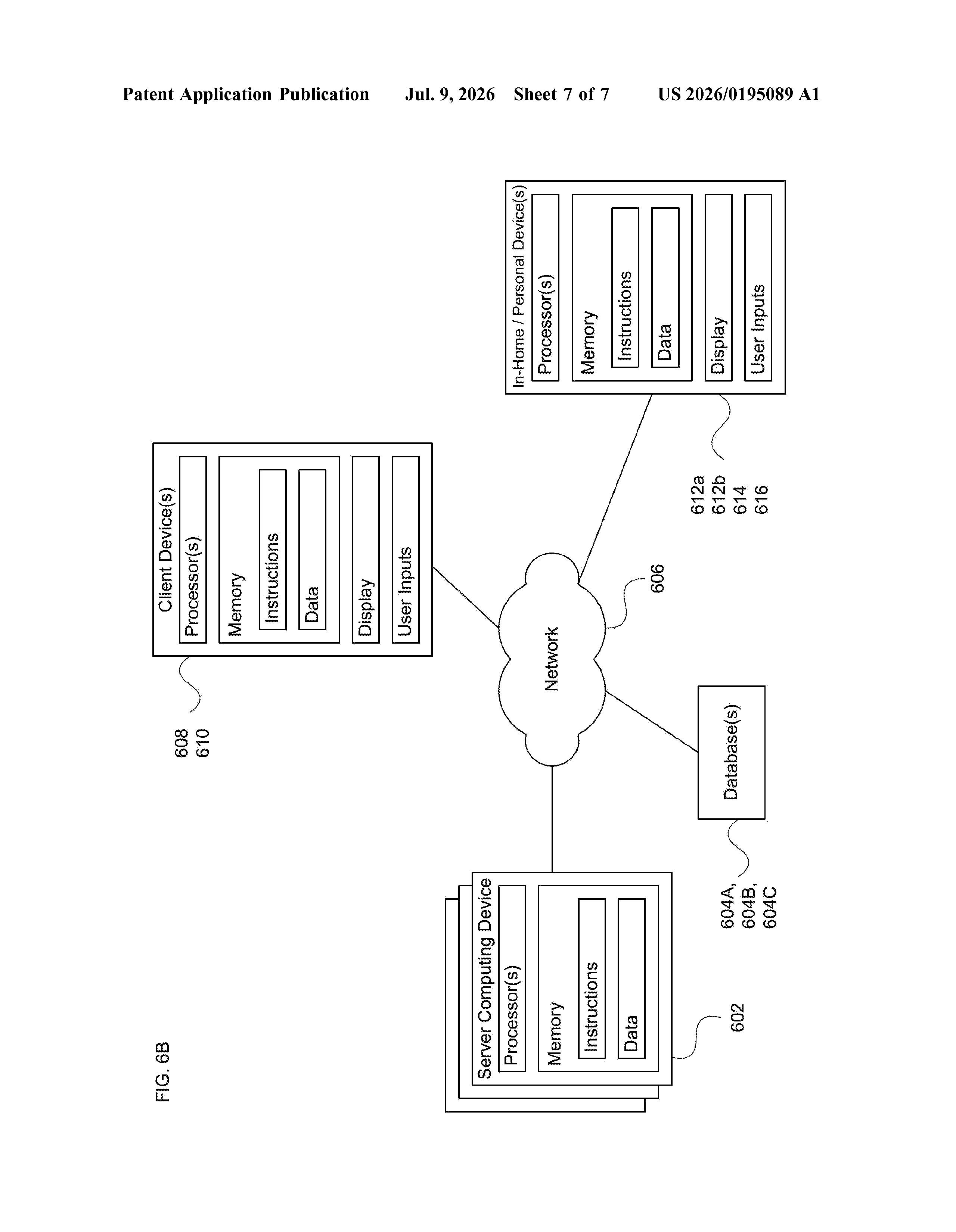
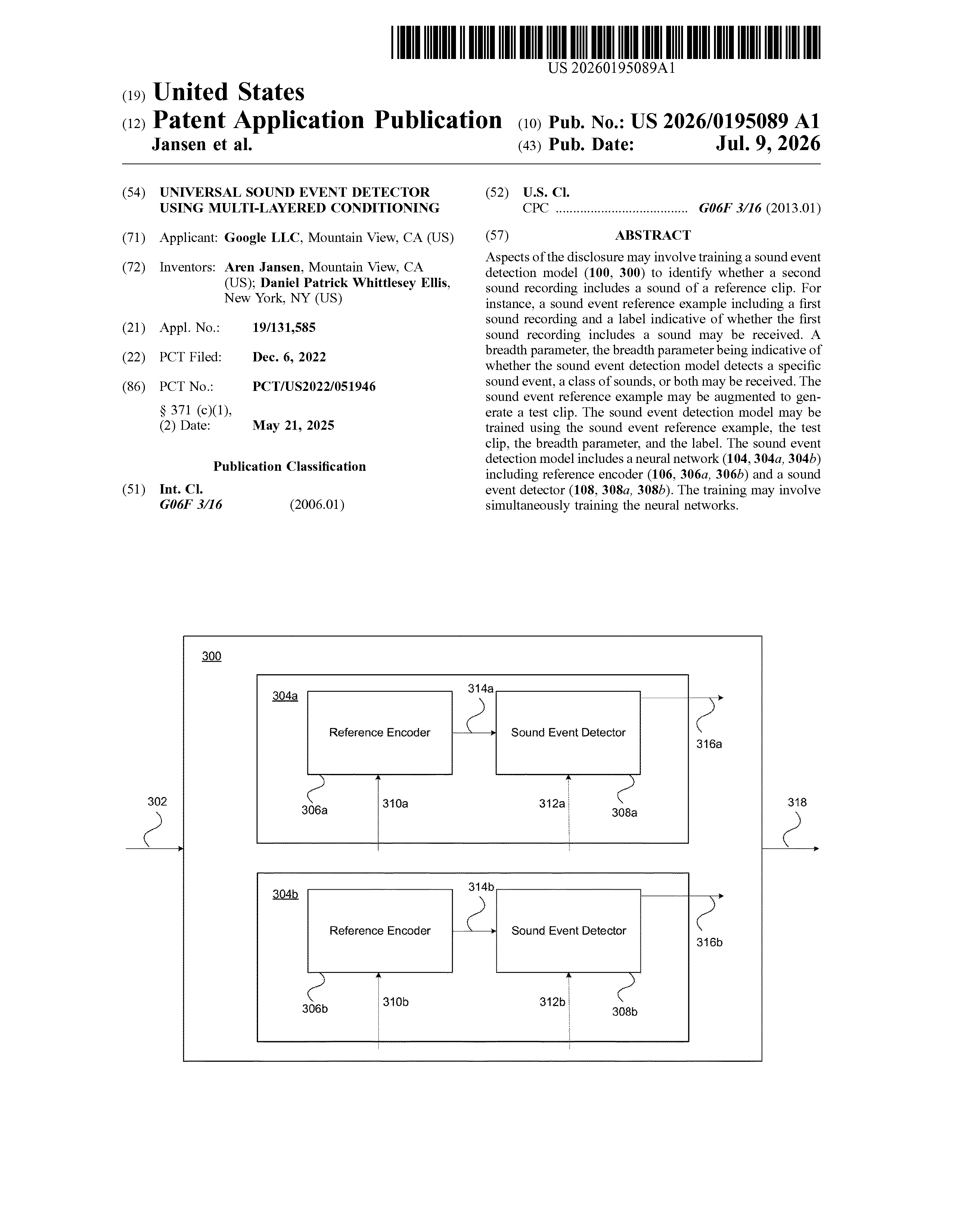
The system trains a single sound event detection model that accepts two inputs at inference time: a short reference clip (the sound you want to find) and a breadth parameter that tells the model how strictly to match.
- Reference encoder: A neural network layer that processes the reference clip and converts it into a compact fingerprint representing the target sound.
- Sound event detector: A second network that compares an incoming audio stream against that fingerprint and outputs a yes/no label indicating whether the target sound is present.
- Breadth parameter: A dial, essentially, that shifts the model between detecting one very specific sound event (this exact glass-break recording) and detecting a broader sound category (any glass break).
During training, the model is fed labeled reference examples plus augmented versions of those clips (think: the same sound with added background noise or at different volumes, called a test clip) so it learns to generalize without being fooled by minor acoustic differences. The reference encoder and detector are trained simultaneously, which means each part learns to cooperate with the other rather than being optimized separately and then stitched together.
What this means for smart home and accessibility tech
For anyone building smart home devices, hearing-accessibility tools, or industrial safety monitors, the expensive part has always been collecting enough audio data to train a detector for each new sound type. A model that can adapt to a new target sound from a single example, and that can be told how broadly to listen, would cut that cost dramatically.
Google's existing products like Nest smart speakers and Android's Sound Notifications feature for deaf and hard-of-hearing users are the most obvious places this could land. A more flexible sound detector would let those products recognize your specific devices and environments rather than a fixed library chosen at the factory.
Source: US 2026/0195089 A1 at the USPTO (PDF). Full patent text and figures are in the official publication.
Get our take in your Top Stories
Liked this breakdown? Add Patentlyze as a preferred source on Google, and our plain-English take shows up more often in your Top Stories the next time Google patent news breaks.
Add Patentlyze on Google
One click.
There are more where this came from
We read the new patents from Big Tech, carmakers and more and send you the ones worth knowing. Plain English, free, every week.
The drawings · 7 sheets
7 drawing sheets from US 2026/0195089 A1 · click any drawing to enlarge · browse the full 19-page filing
More from Google
All 1,127 Google patents →
More in AI vision
All 351 AI vision patents →
Microsoft
Microsoft Patents Technology That Reads Photos Aloud for Blind Users
Qualcomm
Qualcomm Patent Reveals AI Camera Tech That Detects Events While Conserving Power
Qualcomm
Qualcomm Patents Technology That Checks Landmarks Twice to Pin Your Location Faster
Nvidia