
Qualcomm Patent Reveals AI Camera Tech That Detects Events While Conserving Power
Qualcomm has filed a patent for a camera system that doesn't just passively record, it reads its surroundings, figures out what's worth watching for, and then focuses its attention only on those things.
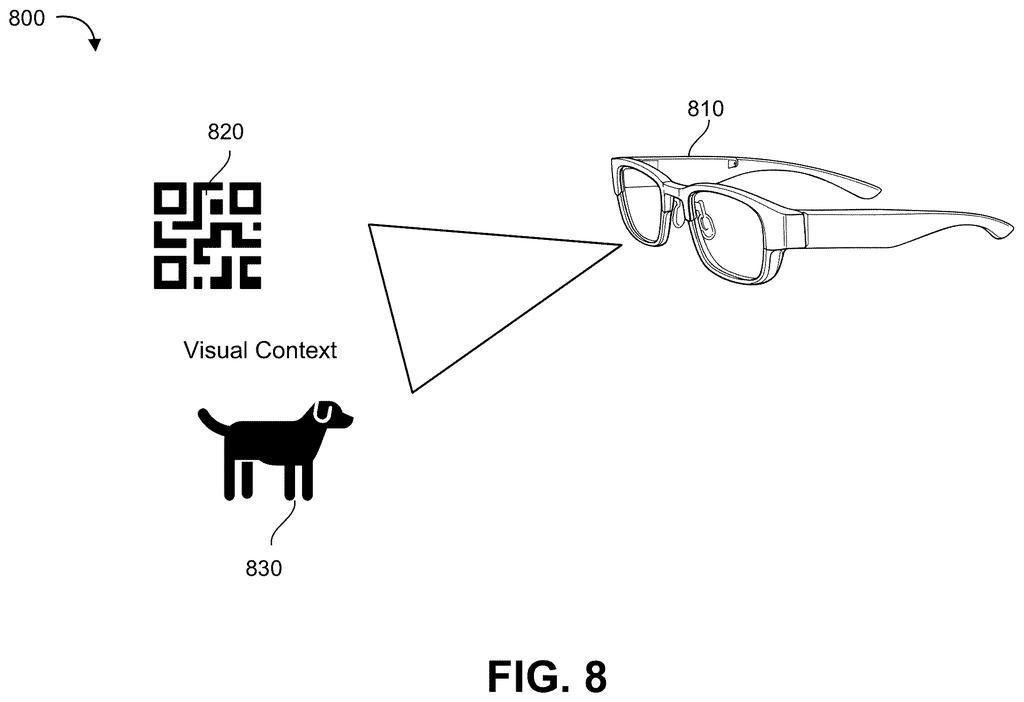
What Qualcomm's always-on AI camera actually does
Imagine your phone's camera silently keeping an eye on the room while you work, but instead of recording everything non-stop, it first figures out what's going on around you and then watches only for the things that are actually likely to happen next.
That's the core idea here. Qualcomm's patent describes a system where the camera looks at a scene, uses AI to understand the context (say, you're cooking in a kitchen), and then decides which events to monitor for (maybe a pot boiling over, or someone entering the room). It can also factor in things that have happened before on your device to sharpen those guesses.
The key word in the patent's title is low power. By narrowing its focus to specific expected events rather than constantly processing everything the camera sees, the system is designed to do all of this without killing your battery.
obtain, from one or more image sensors of a device associated with a user, a plurality of images of a scene …
Translation: The device collects pictures of the user's surroundings from its cameras.
How the system reads context and targets events to watch for
The patent describes a device-based AI pipeline with three main steps:
- Scene capture: One or more image sensors (cameras) capture multiple images of the environment around the user.
- Context determination: The processor analyzes those images, plus any record of previous events on the device, to build a picture of the current context. Context here means something like: what kind of place is this, what's happening, what time of day is it, what was happening earlier?
- Event targeting and monitoring: Based on that context, the system narrows down which specific events are plausible or expected, then tells the camera to watch specifically for those events rather than everything at once.
The low-power angle comes from that last step. Instead of running full-blown image analysis on every frame continuously, the system can focus its processing budget on a defined set of expected events. That's similar to how a human security guard who knows what to look for is more efficient than one staring blankly at every person who walks by.
The patent covers this as an apparatus (physical hardware) claim, meaning Qualcomm is staking out the chip-level implementation, not just a software idea.
… determine, based on at least one of the plurality of images or a previous event occurrence, one or more contexts for the scene …
Translation: It figures out what is happening by looking at the photos and past habits.
What this means for AI assistants on future devices
Qualcomm makes the chips inside a huge share of Android phones, and this patent points toward a future where the camera isn't just a photography tool but an ambient awareness sensor for an AI assistant. If your phone's chip can do this efficiently, an AI could alert you to things you'd otherwise miss, without you having to ask it anything.
The battery angle is the real constraint that has held back always-on camera features for years. If Qualcomm can make context-aware event watching cheap enough to run in the background, it changes what's realistic for on-device AI assistants on phones, AR glasses, or other wearable cameras. That's a meaningful engineering target, even if the patent itself is still at a foundational level.
This is a solid, purposeful patent rather than an exciting one. It doesn't describe a finished product or a dramatic new capability, it stakes out the architecture for making AI-assisted camera sensing practical on a power budget. For a chip company, that's exactly the right thing to be patenting. Watch for this kind of context-aware sensing to show up as a feature pitch in future Snapdragon announcements.
There are more where this came from
We read every patent application Big Tech publishes and send you the ones worth knowing. Plain English, free, every week.
The drawings
21 drawing sheets from US 2026/0230591 A1 · click any drawing to enlarge


Want this weekly breakdown for a company we don't cover? Patentlyze Pro →
Be the first to weigh in