
Google Files Patent for Nested Insect-Based Fish Food Capsules
Google — yes, the search and AI company — has filed a patent for a nested, dissolvable fish food capsule made from insects. This one is genuinely hard to explain away as a core business filing.
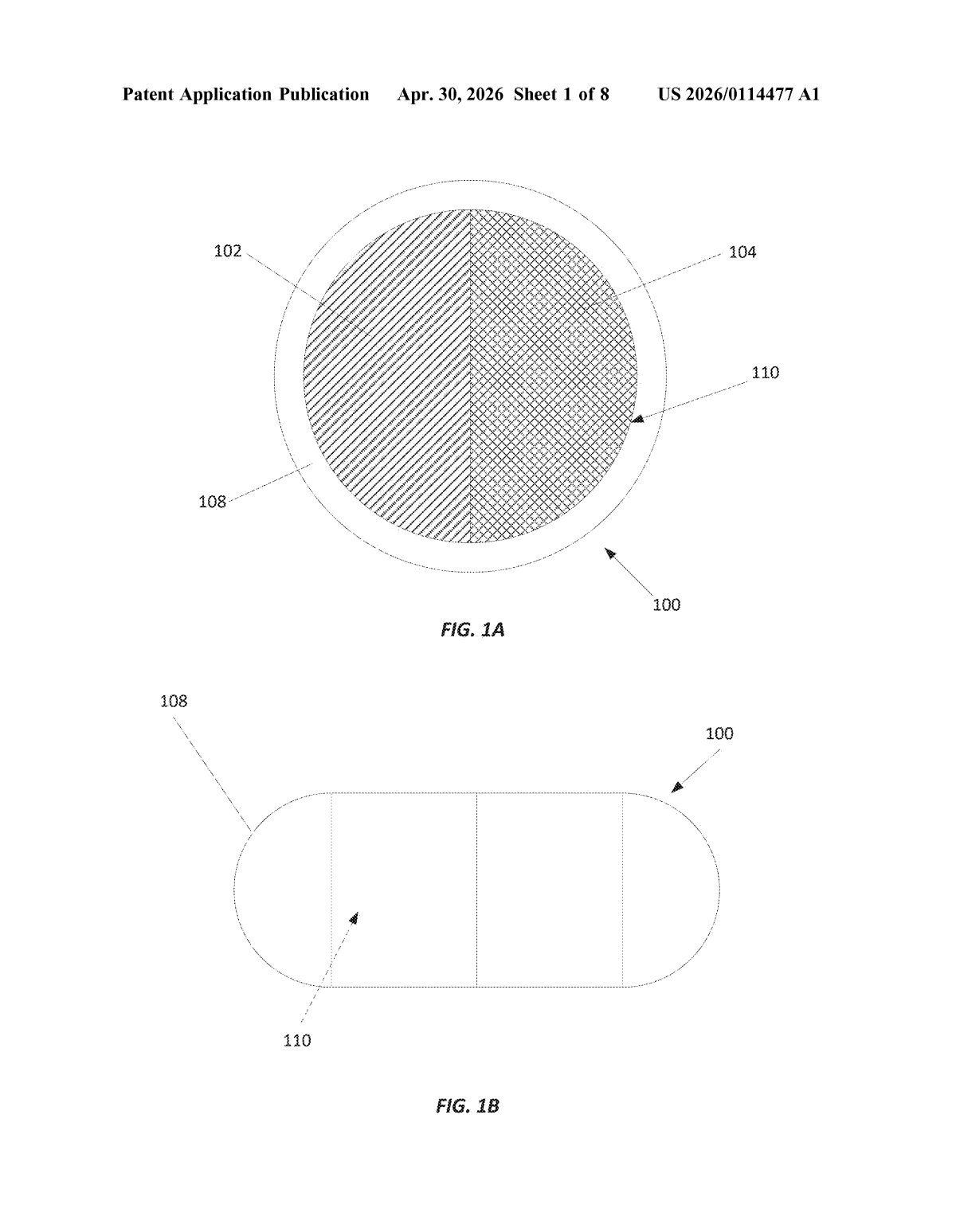
What Google's nested insect fish food capsule actually is
Imagine a fish food pellet, but instead of a single lump, it's a capsule inside a capsule — like a tiny matryoshka doll that dissolves in water. The outer shell releases nutrients first, and then the inner capsule dissolves to release a second dose. Both are made from insect-derived ingredients, which are increasingly used as a sustainable protein source in aquaculture (fish farming).
The idea is to give aquatic animals a timed, measured release of nutrients in a single feeding unit. Rather than dumping all the nutrition at once, the nested structure staggers how the food breaks down in water.
What Google is doing in this space is genuinely unclear. This patent was filed under Google LLC and lists four Google employees as inventors. It's not obviously connected to any known Google product or subsidiary.
How the double-capsule dissolve mechanism works
The patent describes a reformatted insect food product — essentially a structured fish food unit designed for aquatic organisms like farmed fish or shrimp.
The core design involves two nested dissolvable capsule casings:
- The inner capsule contains a first measured amount of nutrient mix and is sealed shut.
- The outer capsule contains a second measured amount of nutrients plus the already-sealed inner capsule, and is then sealed itself.
The nutrient source is described as suitable for aquatic organisms, and the insect origin is implied by the title classification under insect-derived food products (USPC 119/200, covering animal food). The dissolvable casings are designed to break down in water, presumably releasing nutrients in stages as each layer dissolves.
The practical effect is a controlled-release feeding mechanism — the outer capsule dissolves first in the water column, releasing one nutrient payload, followed by the inner capsule dissolving to deliver a second. This could theoretically reduce nutrient waste and improve uptake efficiency in aquaculture settings.
What Google is doing filing aquaculture patents
If this were filed by a company like Cargill, Ÿnsect, or an aquaculture startup, it would be a straightforward story about sustainable fish farming innovation. Insect-based feed (especially from black soldier fly larvae) is a genuine growth area — it's more sustainable than fishmeal and is gaining traction in commercial fish farming.
The puzzle is Google's name on the cover. Google has no known aquaculture division, no public food-tech subsidiary, and no announced products in this space. It's possible this was filed by a team inside Google's moonshot incubator (formerly Google X), or it could be an experimental side project. Either way, you should treat this as a curiosity rather than a strategic signal — at least until Google says otherwise.
This is one of the stranger patents to come out of a Big Tech company in recent memory. The underlying technology — timed-release insect-based fish food — is legitimate and interesting in an aquaculture context. But Google filing it, with no known connection to fish farming or food technology, raises more questions than it answers. Worth flagging, but not worth reading as a strategic move until there's more context.
There are more where this came from
We read every patent application Big Tech publishes and send you the ones worth knowing. Plain English, free, every week.
Want this weekly breakdown for a company we don't cover? Patentlyze Pro →