
Meta Patents an XR Headset That Self-Tunes to Cell Network Congestion
Your XR headset knows the cell tower is struggling — and it quietly adjusts what it renders before you even notice a glitch. That's the core idea behind Meta's latest patent.
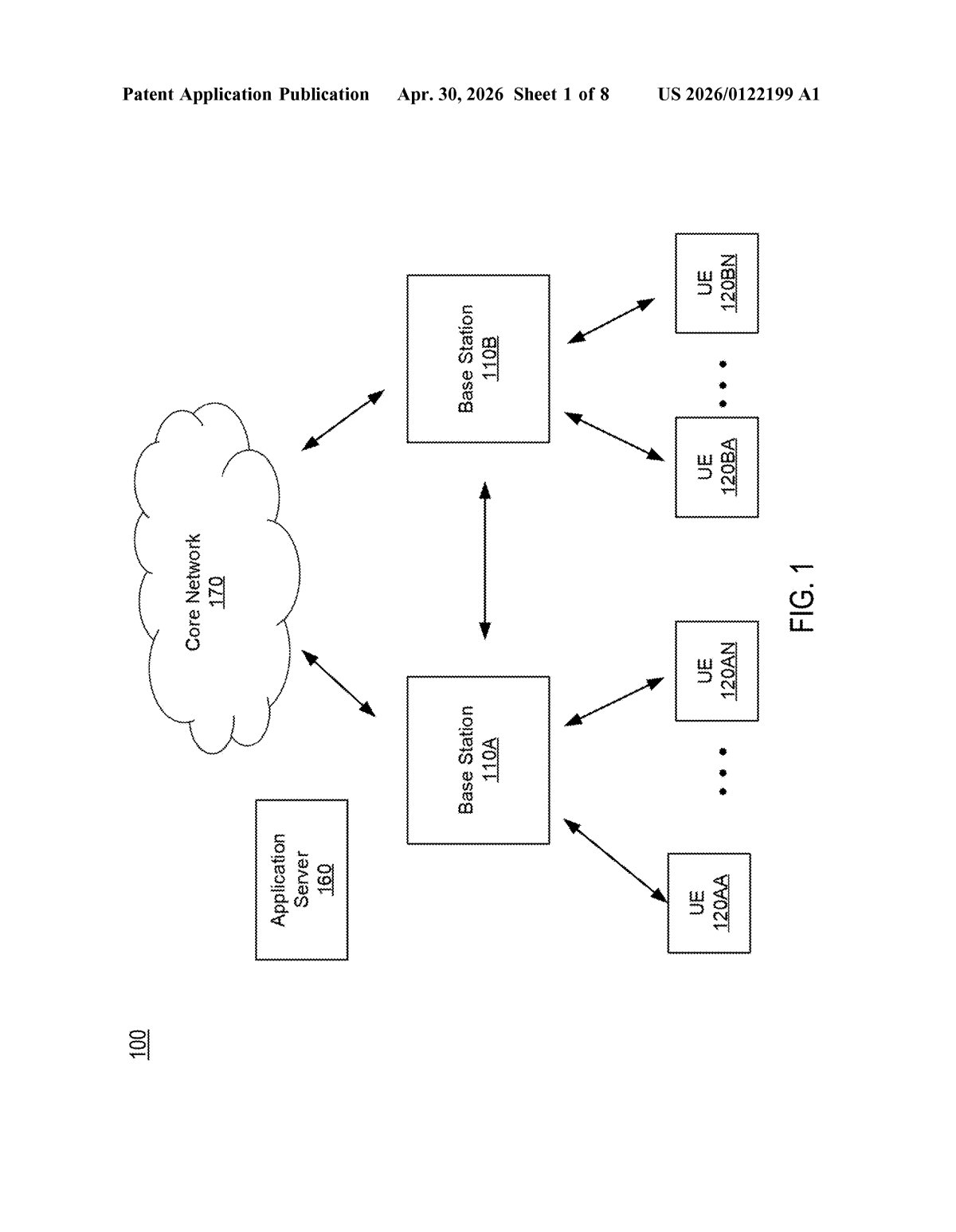
What Meta's congestion-aware XR streaming actually does
Imagine you're wearing an XR headset at a packed stadium or convention center, and suddenly the stream starts stuttering. The usual culprit: the local cell tower is overwhelmed. Most devices just try to push through it, dropping frames or waiting for conditions to improve.
Meta's patent describes a headset that proactively monitors cellular network congestion — not just from what's visible at the app level, but from deeper inside the device's own network stack. When it detects that the cell is getting bogged down, it automatically adjusts how frames are generated at the application layer, before the problem snowballs into visible lag.
The result, in theory, is smoother XR experiences in real-world environments where cell networks are unreliable or overloaded — without you having to do anything. The headset reads the situation and quietly adapts.
How the headset reads cell load and adjusts frame output
The patent describes a device — almost certainly an XR headset — with a standard cellular network interface and a network stack (the layered software architecture that handles how data moves through a device, from raw radio signals up to apps).
The key innovation is cross-layer awareness. Normally, the application layer (where rendering decisions happen) operates independently of the lower layers (like transport and radio layers that deal with raw network conditions). Meta's system breaks down that wall: the lower layers pass congestion signals upward, and the application layer uses that data to make smarter frame-generation decisions.
Concretely, the processors:
- Monitor for cell loading (how busy the tower is) and network congestion (packet bottlenecks in the data path)
- Adjust application-layer operations — things like resolution, frame rate, or encoding parameters — in response
- Transmit the resulting frames wirelessly over the cellular link
The patent doesn't specify exactly which application-layer knobs get turned, but the architecture allows the system to respond before congestion causes visible degradation — a classic proactive-vs-reactive tradeoff that's well-studied in streaming video research.
What this means for wireless XR headsets on crowded networks
Cellular XR is one of the harder unsolved problems in the headset space. Wi-Fi is controllable; cell networks are not. A crowded arena, a busy airport, or a packed conference hall can make streaming XR nearly unusable. Meta's approach — giving the application layer real-time visibility into what's happening at the radio layer — is a sensible architectural fix that could meaningfully improve reliability in exactly those environments.
For Meta's Quest lineup and any future cellular-connected XR hardware, this kind of self-tuning could be a quiet but important differentiator. You probably won't see it marketed as a feature, but you'll feel it the next time your headset stays smooth in a crowded venue where everyone else's devices are struggling.
This is unglamorous infrastructure work, but it's the kind of thing that actually determines whether cellular XR is usable in the real world. The idea of cross-layer congestion signaling isn't new in networking research, but applying it specifically to XR frame generation is a practical and worthwhile step. Worth watching as Meta pushes toward always-connected headsets.
There are more where this came from
We read every patent application Big Tech publishes and send you the ones worth knowing. Plain English, free, every week.
Want this weekly breakdown for a company we don't cover? Patentlyze Pro →