
Microsoft Patents a Built-In Windows Toggle for AI Data Collection Control
Microsoft is patenting a system-level privacy toggle baked directly into Windows that lets you see — and stop — AI data collection in real time. Think of it as a mute button for the machine-learning pipeline that feeds Copilot and similar features.
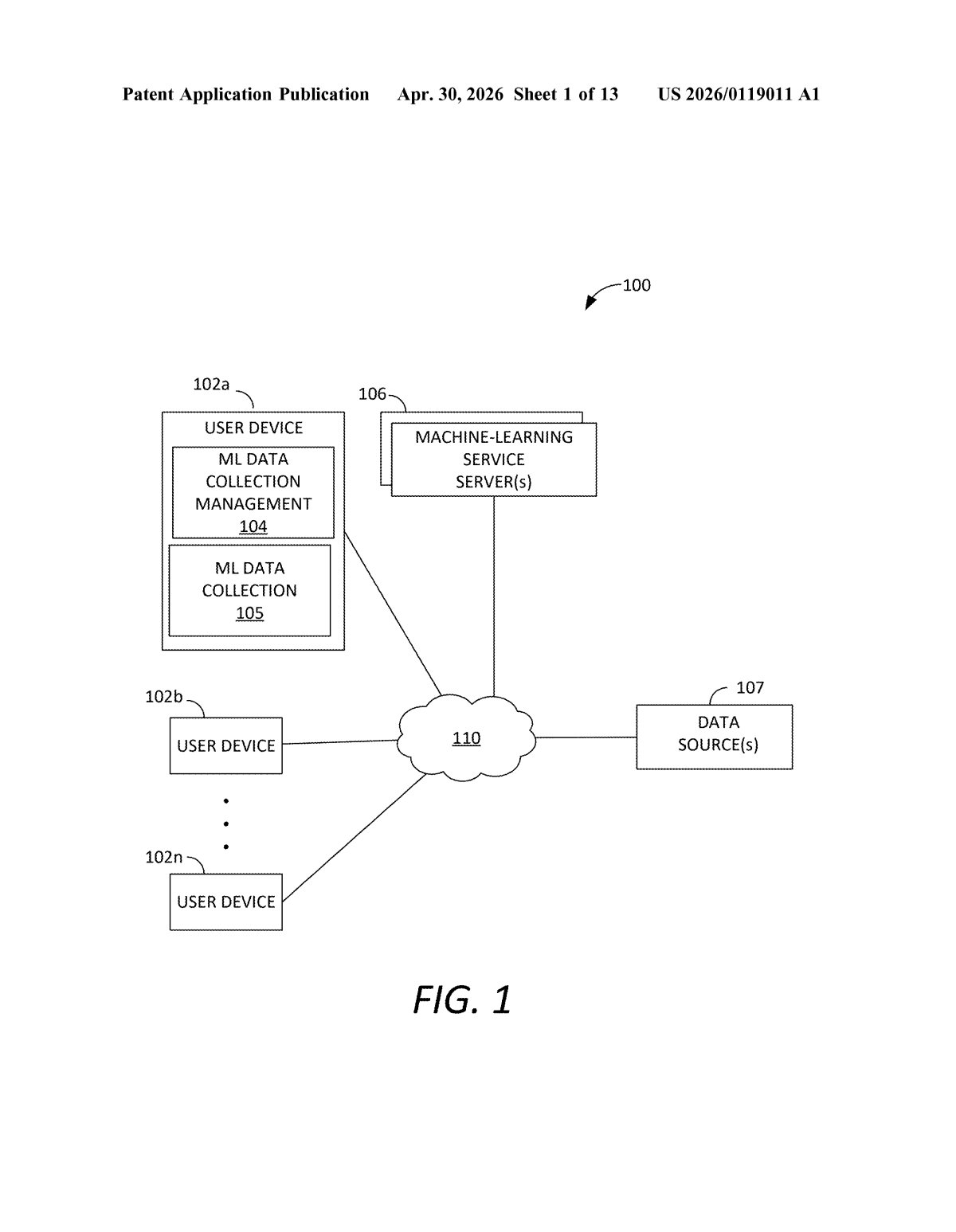
What Microsoft's AI data-collection toggle actually does
Imagine your laptop is quietly sending snippets of what you type, click, or do to a machine-learning service in the background — helping Microsoft train or personalize AI features. Right now, most users have little visibility into when that's happening or how to pause it without digging through settings menus.
Microsoft's patent describes a status indicator — like a small icon in your taskbar or system tray — that shows whether AI data collection is currently active or inactive. It's the same idea as the camera indicator light on your laptop, but for data going to ML systems.
Beyond the indicator, there's a management interface where you can set rules (like "don't collect data after 6pm"), delete previously collected data, or hit a temporary pause button. The whole thing lives inside the operating system itself, not inside a specific app.
How the Windows ML coordinator monitors and pauses data
At its core, the patent describes an ML data-collection coordinator — a piece of code running inside Windows that acts as a middleman between the user and any machine-learning data-collection service running on or connected to the device.
The coordinator does three main things:
- Monitors state — it continuously watches whether data collection is currently active or inactive.
- Displays a status indicator — a UI element (icon or similar) that surfaces that state directly to the user, so you're never left guessing.
- Accepts and relays pause requests — when a user hits pause through the management interface, the coordinator sends a formal state change request to the underlying ML service.
The data-collection management interface (think a dedicated settings panel) goes further: it lets users author data-collection policies — essentially rules that define when data may or may not be gathered. You could, for example, set a policy that blocks collection during certain hours or in certain apps. Previously collected data can also be deleted from within this same interface.
Importantly, this is framed as an operating system-level feature, meaning it's designed to work across multiple ML services and user devices rather than being app-specific.
What this means for Windows AI privacy controls
Features like Windows Recall — which takes periodic screenshots to build a searchable memory of your PC activity — put Microsoft in a difficult position: powerful AI personalization requires data, but collecting it without clear user awareness triggers real backlash. A system-level transparency layer like this is a direct response to that tension. If it ships, you'd have a single place to see and control what's being fed into Windows AI features, rather than hunting through individual app settings.
This also lands in a broader regulatory context. The EU's AI Act and various state privacy laws are pushing for exactly this kind of user-visible, user-controllable data governance. Building it into the OS rather than bolting it onto individual apps signals that Microsoft is treating AI data consent as an infrastructure problem, not an afterthought.
This is quietly one of the more user-relevant privacy patents Microsoft has filed in years. The Recall controversy made clear that Windows users want a real kill switch for AI data pipelines, and this patent sketches out exactly that — at the OS level, not buried in some app's settings drawer. Whether it ships as described is another question, but the direction is right.
There are more where this came from
We read every patent application Big Tech publishes and send you the ones worth knowing. Plain English, free, every week.
Want this weekly breakdown for a company we don't cover? Patentlyze Pro →