
Sony Patent Targets Motion-Capture Search by Weighting the Moves That Matter
Finding a specific dance move or athletic gesture in a giant library of recorded motion is harder than it sounds. Sony's new patent describes a way to tell the search engine which body parts or moments in time matter most.
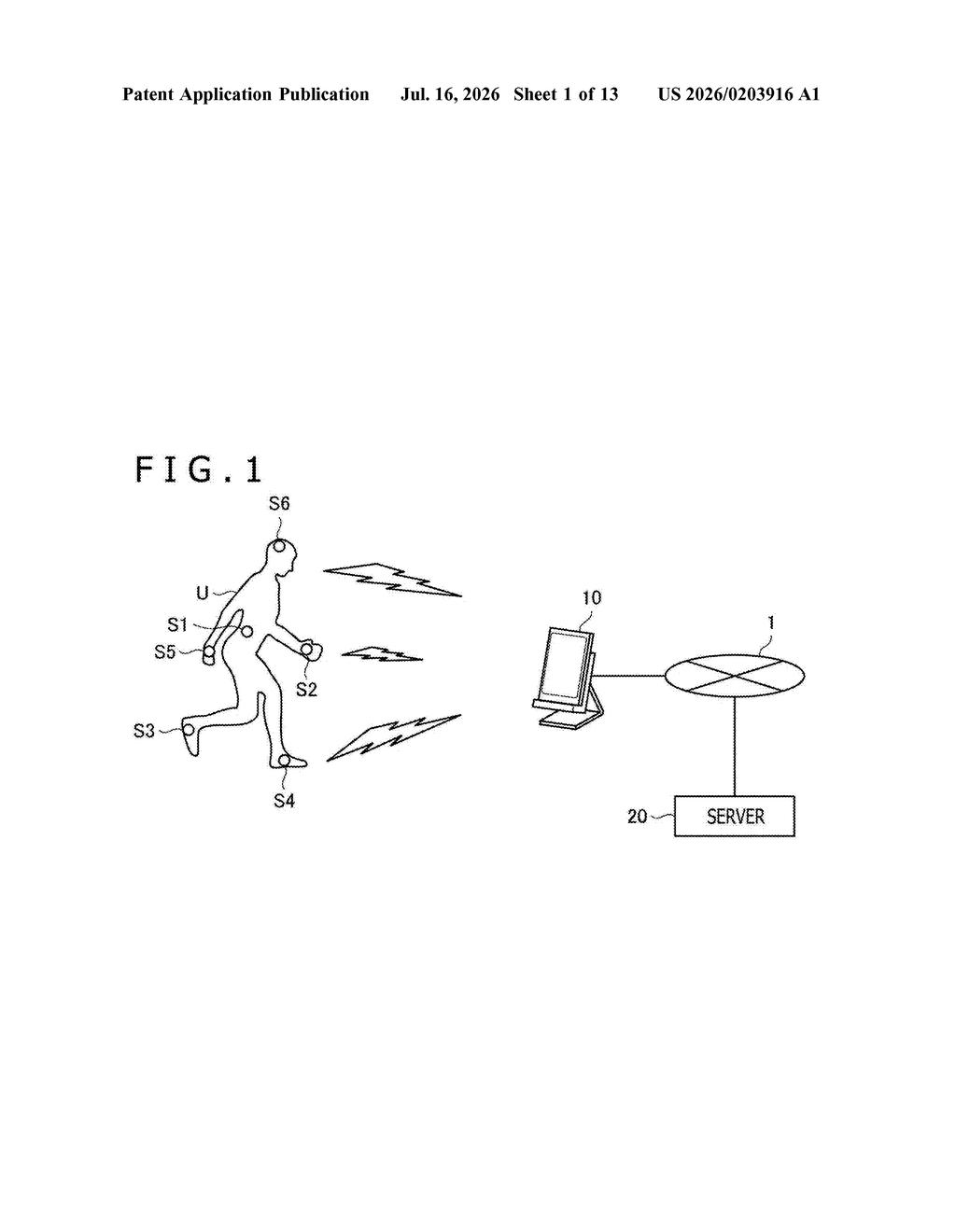
How Sony's weighted motion search actually works
Imagine you're an animator looking for a clip where a character swings their right arm in a specific arc. A standard motion library search might compare every part of every recorded movement equally, so a clip where the legs move perfectly but the arms are wrong could rank just as high as the one you actually want.
Sony's patent tackles this by introducing adjustable importance settings for each body part or each moment in time. You can effectively tell the system: 'I care a lot about what the shoulders and wrists are doing in the first two seconds, and almost nothing about the feet.' The search then uses those weighted priorities to find clips that match your actual criteria.
The practical result is a more controllable search tool for anyone working with recorded human or object movement, whether that's in film, games, sports analysis, or robotics.
How weight parameters reshape the motion feature calculation
The patent describes a system built around two main components:
- Feature extraction: The system first pulls a raw feature amount (a numerical description of how an object or person is moving) from time-series motion data. Think of this as converting a recorded performance into a list of numbers describing each joint or body part at each moment in time.
- Weight application: Before searching, the system multiplies those raw numbers by a weight parameter assigned to each body part or time window. A high weight means that dimension counts heavily in comparisons; a low weight means it barely affects the result.
- Search using the processed feature: The adjusted, weighted numbers are then used to query a motion database, so results reflect the user's actual priorities rather than a flat average across all dimensions.
The weight parameters are described as being prepared in advance, which implies they could be set by a user, learned automatically, or configured per task. The patent doesn't lock this down to one method, leaving room for several implementation approaches.
What this means for animation and motion-capture pipelines
Motion-capture libraries used in film production, game development, and sports analytics can contain thousands of clips. Searching them by hand is slow, and generic similarity search often surfaces technically close but practically useless results. A system that lets users dial up the importance of specific body parts or specific time windows could save significant time in production pipelines.
For Sony specifically, this connects to its footprint in professional film and game tooling (through PlayStation Studios and Sony Pictures) as well as robotics research. If the weighting scheme can be set automatically based on context, it also has clear applications in AI-driven motion generation and character animation.
This is a focused, functional idea rather than a flashy one. The core concept, weighting motion features before searching, is not exotic, but systematizing it as a patentable workflow component makes sense for Sony given how central motion data is to its entertainment and robotics work. Worth a quiet watch.
There are more where this came from
We read every patent application Big Tech publishes and send you the ones worth knowing. Plain English, free, every week.
Want this weekly breakdown for a company we don't cover? Patentlyze Pro →
Be the first to weigh in