
IBM Patents a Layered System for Running Multiple Digital Twins at Once
IBM wants to take the idea of a digital twin, a virtual copy of a real-world thing, and organize those copies into ranked layers so a whole complex system can be simulated at once, not just one piece at a time.
What IBM's hierarchical digital-twin system actually does
Imagine a factory floor with dozens of machines, each connected to a central control system. A digital twin is a virtual copy of one of those machines that can receive commands, run tests, and report results without touching the real hardware. That's useful, but what if you need twins for every machine, plus the control system, plus the building itself?
IBM's patent describes a way to build a whole family of digital twins organized into tiers, like floors of a building. Twins on the same floor share a rank and can handle similar tasks, but each one can also do its own specific job. When someone sends a command meant for a real object, the system automatically routes it to the right twin.
The practical upside: you don't have to manually wire up each virtual copy. The system divides a complex environment into levels, builds the twins, and handles the traffic between them. It's less about one clever twin and more about making an entire virtual replica of a layered, real-world system.
How IBM ranks and routes requests across twin layers
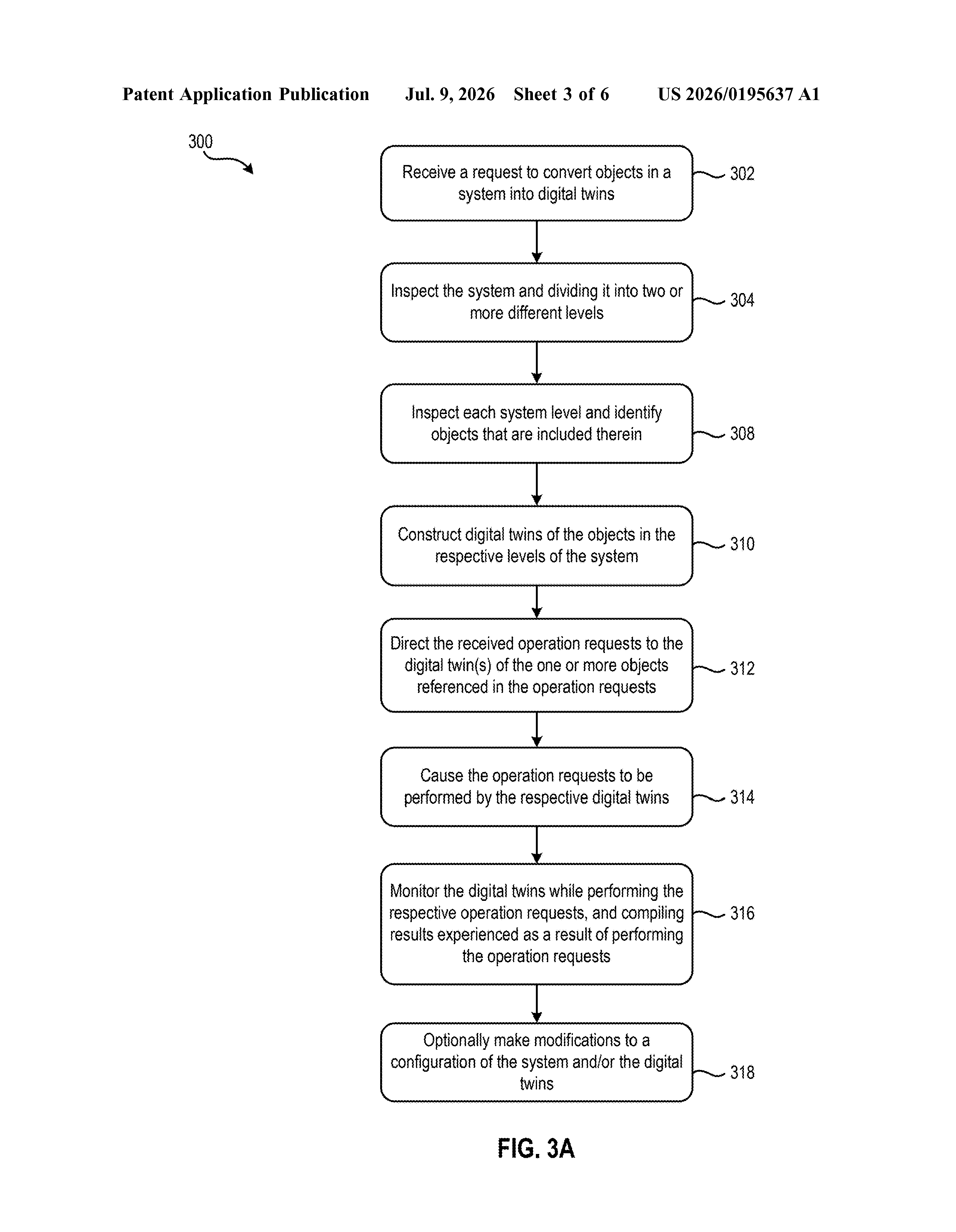
The patent describes a method for converting objects inside a system (think machines, sensors, software services, or physical locations) into digital twins (virtual copies that accept and execute the same commands the real objects would) arranged in a hierarchy.
Here's how the layers work:
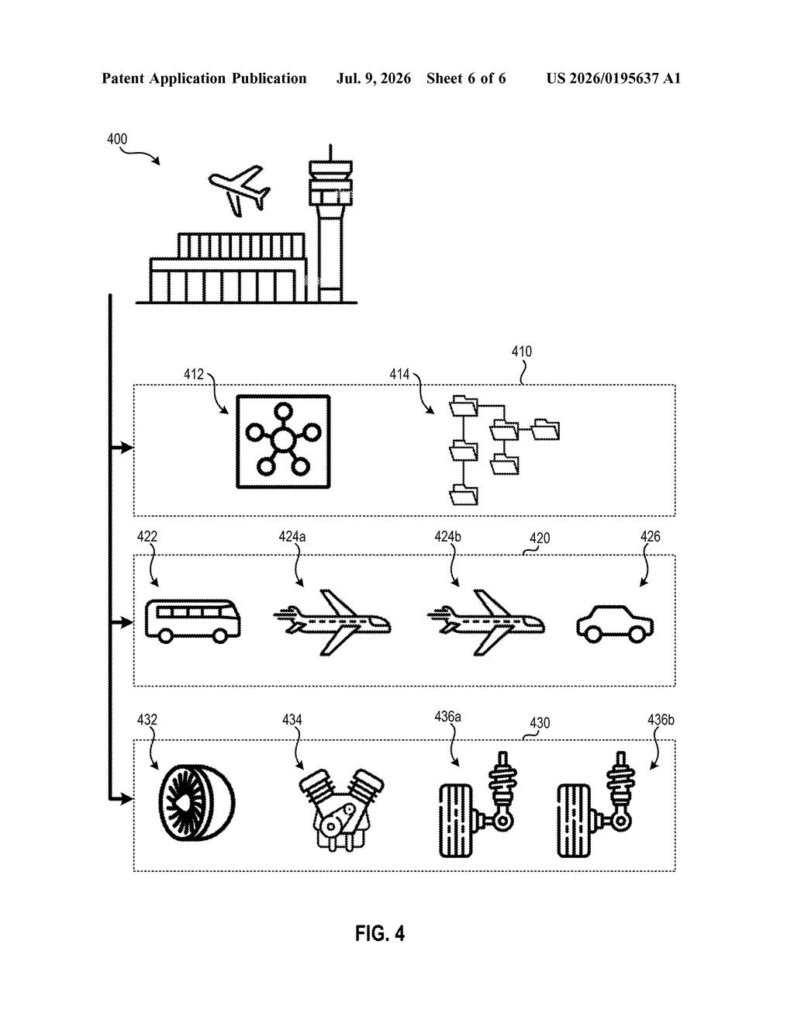
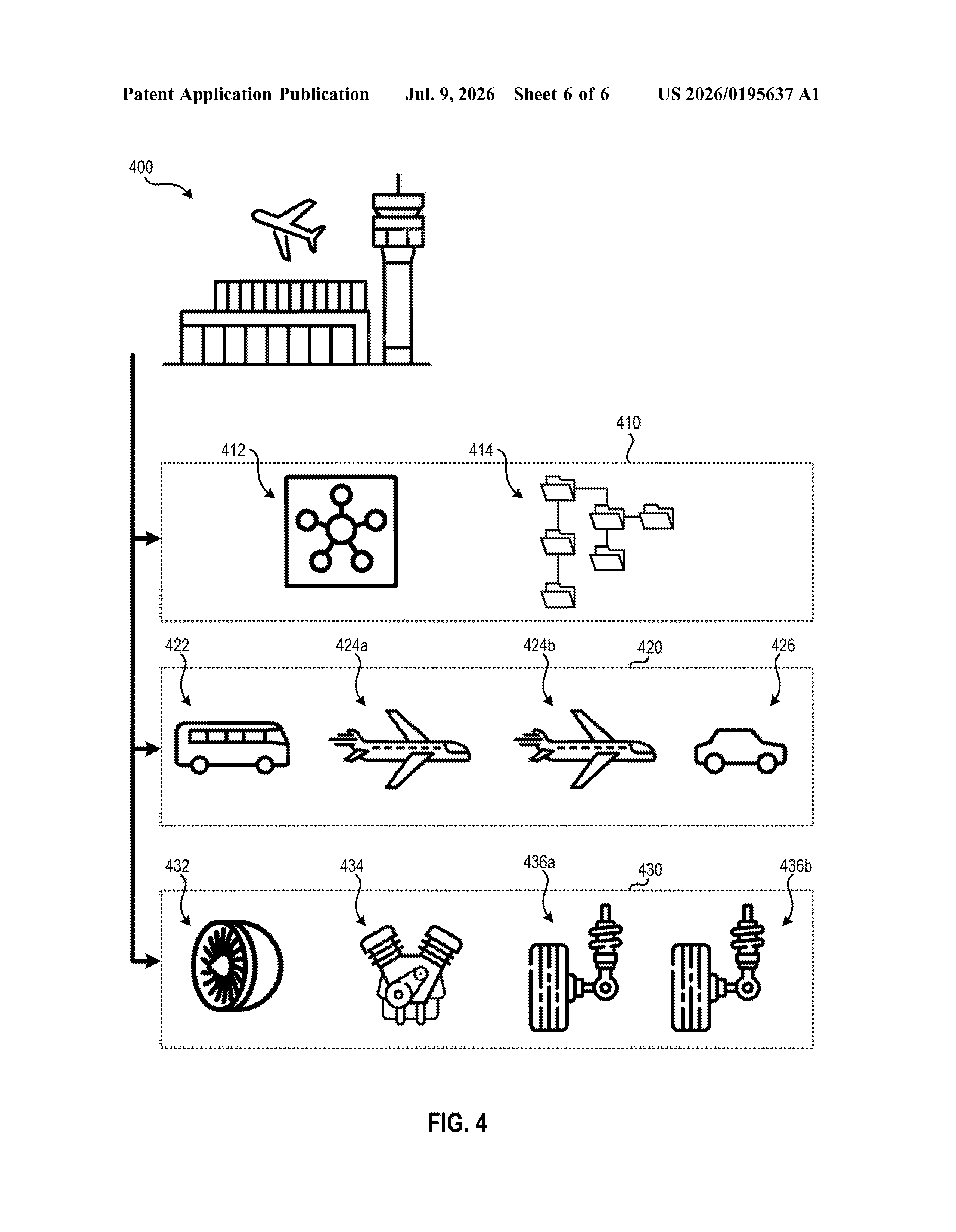
- The system is first divided into two or more levels, each representing a different layer of the real environment, for example physical devices at one level, subsystems at the next, and the whole facility above that.
- Every twin gets a hierarchy value, a numeric rank that tells the system which level it belongs to. Twins at the same level share the same rank.
- Within any given level, at least two twins can perform the same operation (providing redundancy or parallel processing), while at least two others perform different operations (covering the diverse jobs real objects handle).
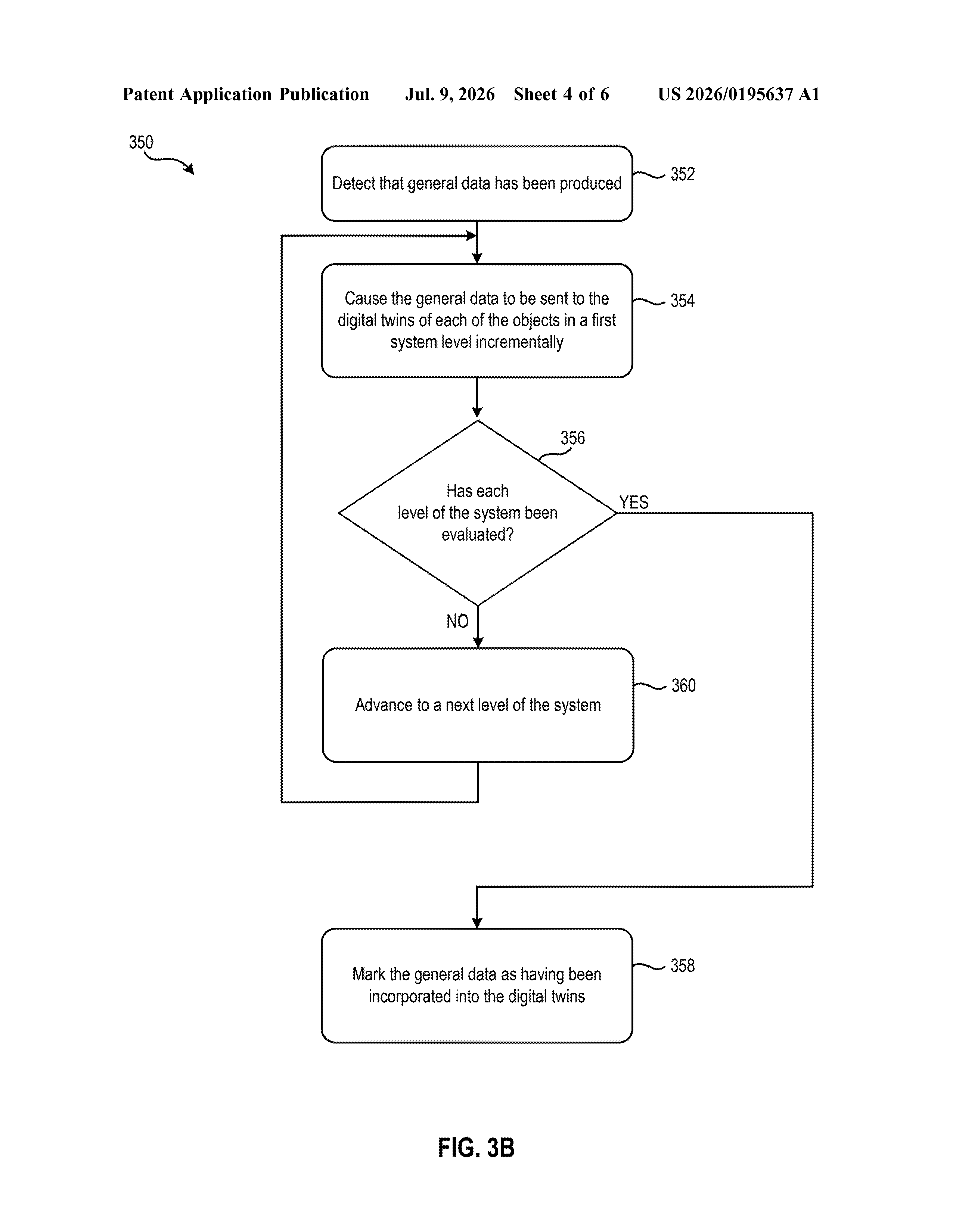
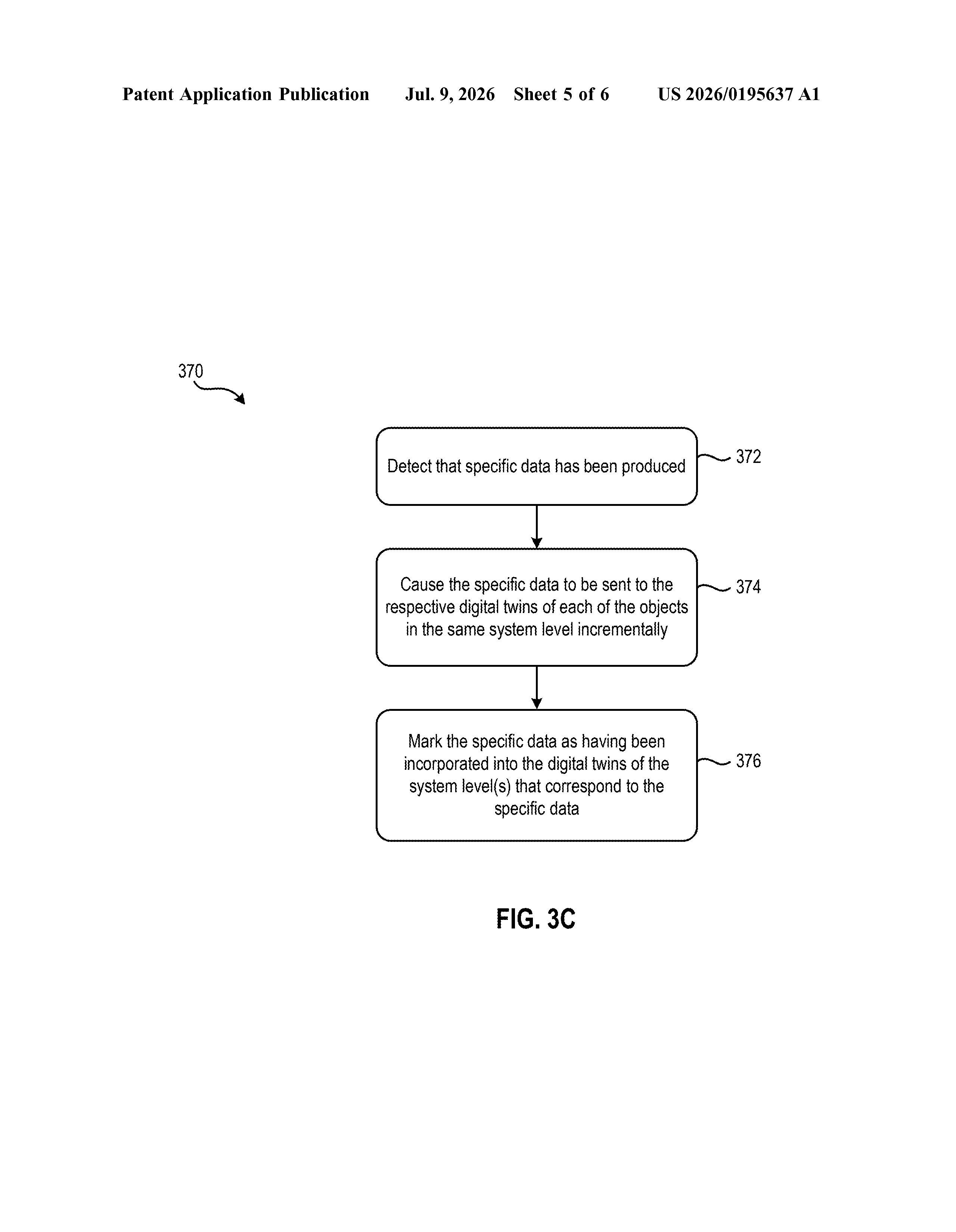
When an operation request arrives intended for a real object, the system automatically routes it to the corresponding twin, and the twin carries out the task. The real object is never touched, which is the whole point: you can test, monitor, or stress-simulate the environment without risk to actual hardware or services.
The claim covers the full pipeline: dividing the system, constructing the twins with their ranks, and handling inbound requests end-to-end.
What this means for industrial and enterprise simulation
Digital twins are already used in industries like manufacturing, energy, and logistics, but most implementations handle one object or one type of object at a time. IBM's approach is about scaling that concept to match how real systems are actually structured, with layers of complexity from individual parts up to entire facilities. If this works as described, an operator could run commands against a full virtual replica of a plant without coordinating each twin separately.
For you as someone who relies on products or services built on complex infrastructure, the end benefit is more thorough testing and monitoring before anything changes in the real world. Fewer surprises when a factory retool or a cloud-service upgrade actually ships.
This is solid infrastructure thinking rather than a flashy invention. The layered-hierarchy approach solves a real coordination problem for anyone trying to simulate complex, multi-tier systems as a whole. IBM has deep roots in enterprise software and industrial clients, so the patent fits a genuine gap in how digital-twin platforms are typically deployed today.
There are more where this came from
We read every patent application Big Tech publishes and send you the ones worth knowing. Plain English, free, every week.
The drawings
6 drawing sheets from US 2026/0195637 A1 · click any drawing to enlarge
Want this weekly breakdown for a company we don't cover? Patentlyze Pro →
Be the first to weigh in