
IBM Patents a System That Makes AI Chatbots Check Photos Before Answering
Instead of just answering your question, IBM's proposed AI system would first search for images and videos to make sure the answer holds up. If the visual evidence doesn't match, the chatbot stays quiet.
How IBM's chatbot fact-checker uses images and video
Imagine you ask an AI assistant whether a famous athlete competed in a specific event, and the chatbot confidently says yes, but gets the year, the person, or the event completely wrong. This is called hallucination, and it happens more than anyone would like.
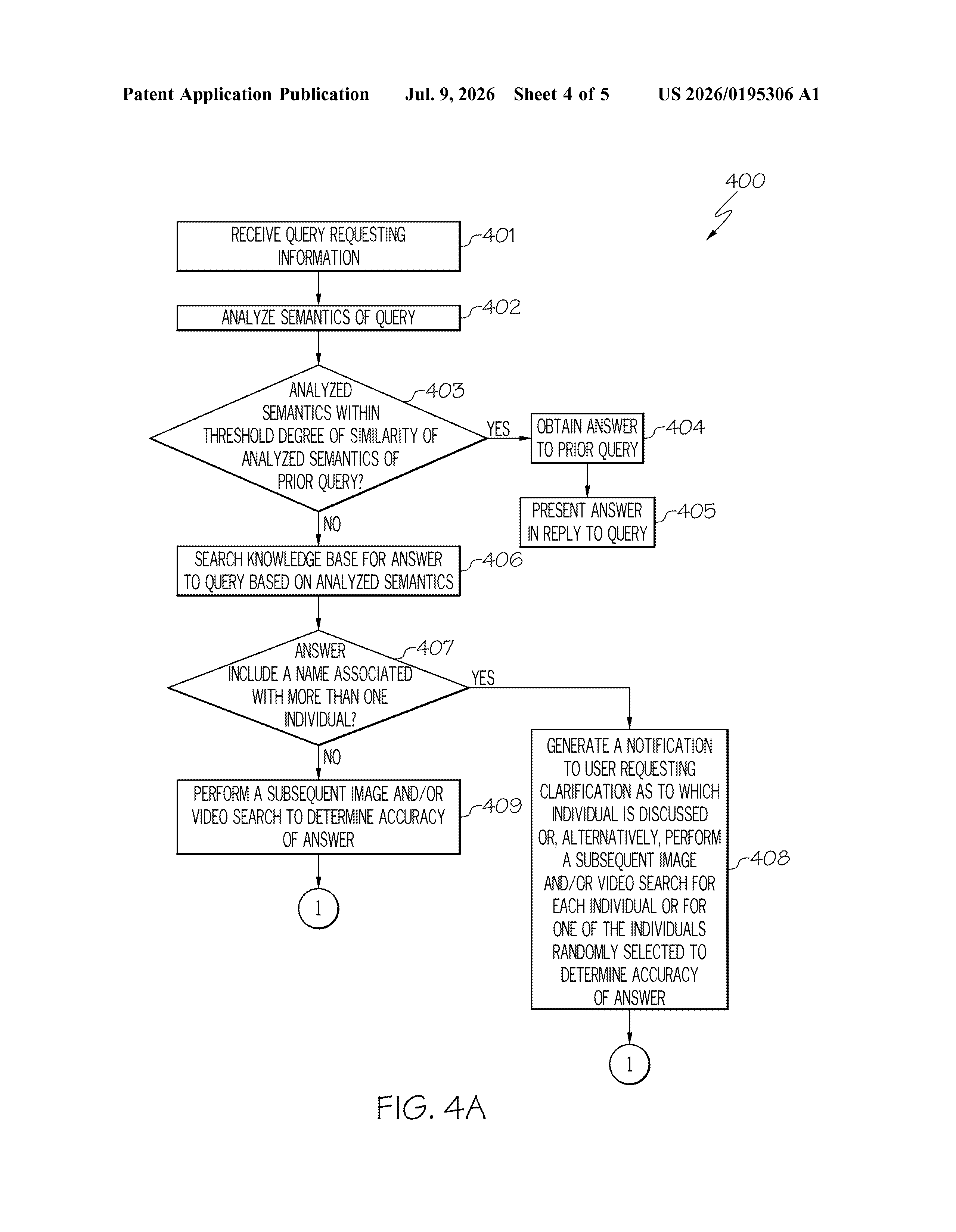
IBM's newly filed patent describes a system designed to catch those mistakes before they reach you. After a chatbot comes up with an answer, the system runs a separate search for images and videos related to your question. A machine learning model then checks whether that visual evidence actually backs up what the chatbot is about to say.
If the pictures and videos don't line up with the answer, the system treats that as a red flag and withholds the response rather than sending you something wrong. The goal is to make AI assistants more trustworthy, especially in business settings where a bad answer can have real consequences.
How the visual verification pipeline filters bad answers
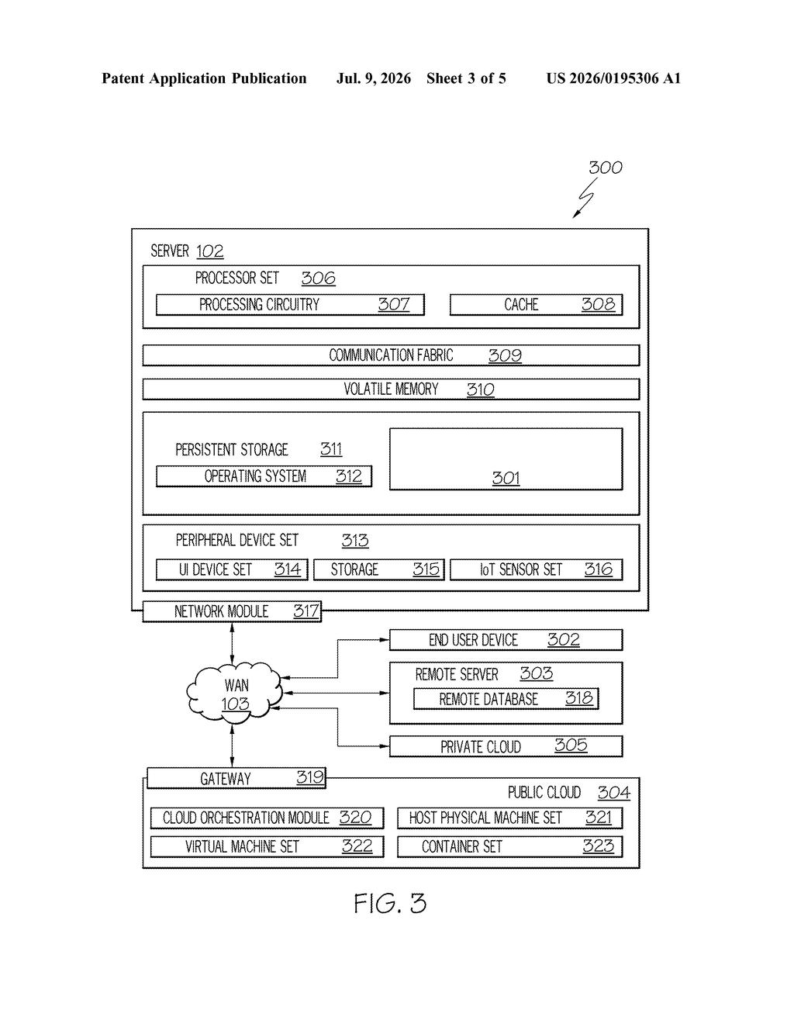
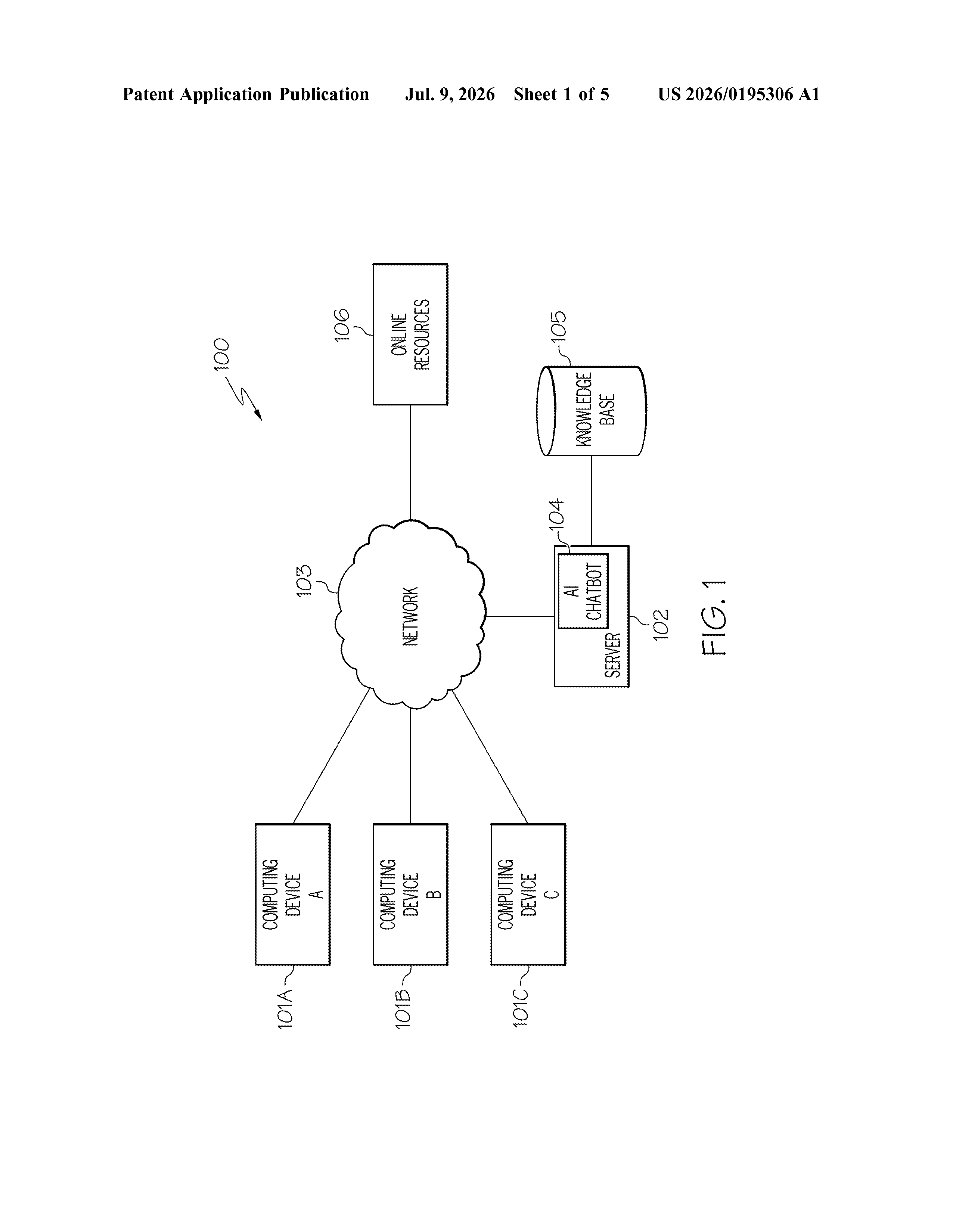
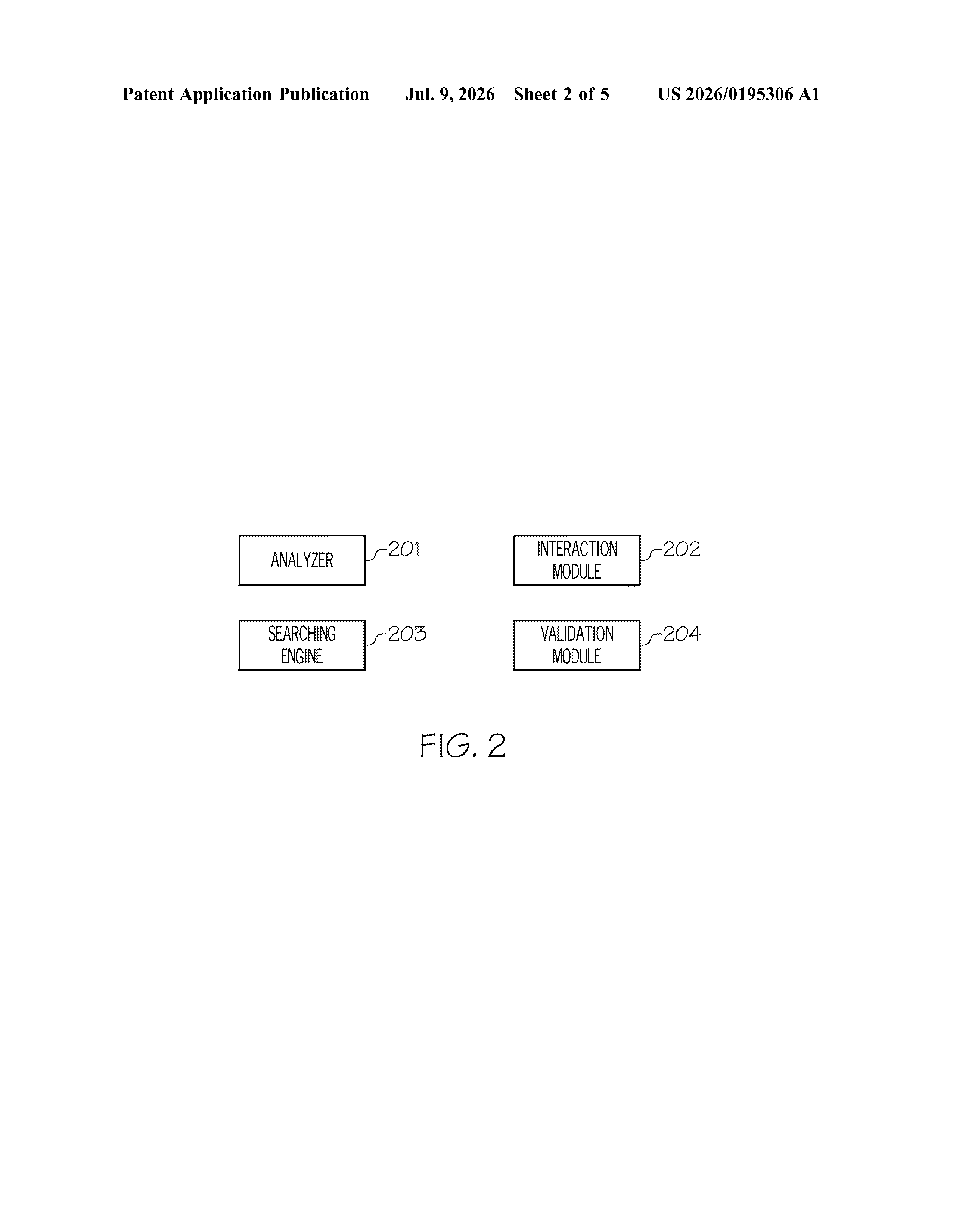
The patent describes a multi-step pipeline built on top of a standard chatbot architecture. When a user submits a query, the system first analyzes the meaning of the question (what IBM calls semantic analysis, meaning it tries to understand the intent, not just match keywords).
It then searches a knowledge base for an answer. That part is fairly conventional. The novel piece comes next: the system runs a separate search across a predefined list of image and video sources specifically related to the activity or person mentioned in the query.
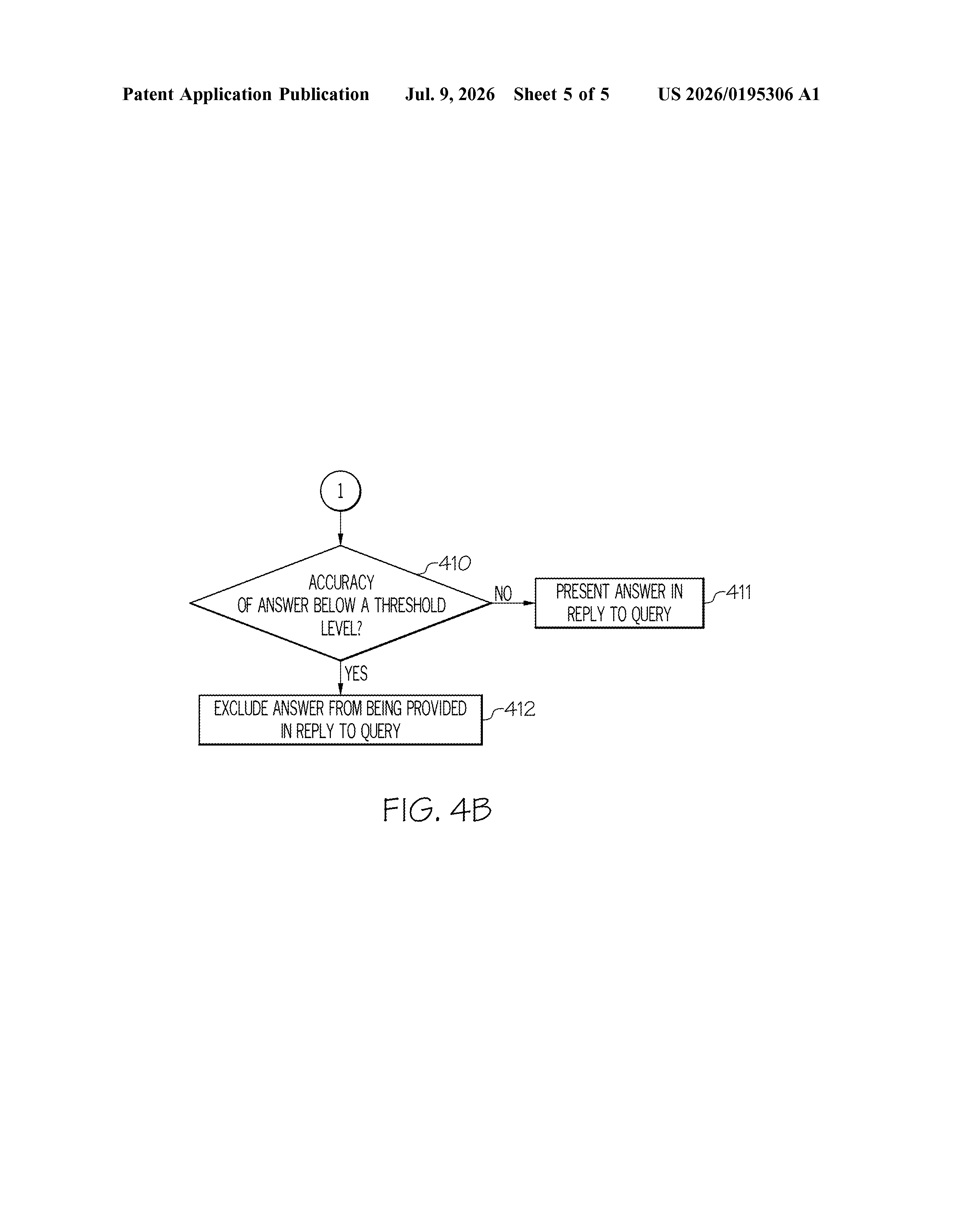
- A machine learning model is trained to judge how well the visual evidence aligns with what the chatbot found.
- The image and video search results are fed into that model, which outputs a confidence score indicating how accurate the answer is likely to be.
- If the score falls below a set threshold, the answer is excluded entirely from the reply.
In plain terms, the system treats photos and videos as a secondary witness. If the visual record contradicts or fails to support the text answer, the chatbot holds back rather than guessing.
What this means for AI hallucination in enterprise tools
AI hallucination is one of the biggest practical barriers to deploying chatbots in high-stakes enterprise environments, think healthcare queries, legal research, or customer support where a wrong answer isn't just annoying, it can cause real harm. IBM's approach is notable because it uses an entirely different modality (visual search) as a cross-check, rather than just running the text answer through another language model.
For everyday users, the most visible effect would be a chatbot that occasionally says 'I don't have a confident answer for that' rather than inventing one. That's a behavior change many people would welcome. Whether the image-search approach is reliable enough at scale is an open question, but the core instinct of building in a refusal mechanism is sound.
This is a real and important problem IBM is trying to solve, and the idea of using visual evidence as a sanity check on text answers is genuinely interesting. That said, the approach has an obvious weakness: image and video searches can be wrong, missing, or misleading too, so you're relying on one imperfect source to validate another. IBM would need to show strong results on real-world queries before this counts as a solved problem.
Get our take in your Top Stories
Liked this breakdown? Add Patentlyze as a preferred source on Google, and our plain-English take shows up more often in your Top Stories the next time IBM patent news breaks.
There are more where this came from
We read every patent application Big Tech publishes and send you the ones worth knowing. Plain English, free, every week.
The drawings
5 drawing sheets from US 2026/0195306 A1 · click any drawing to enlarge
Want this weekly breakdown for a company we don't cover? Patentlyze Pro →