
Nvidia Patents a Way to Fix Corrupted Video Frames Based on What's in the Scene
When a video stream drops or corrupts a frame, most systems apply the same generic fix everywhere. Nvidia's new patent argues that a smarter repair should depend on exactly where the damage is and what's important in that part of the image.
What Nvidia's context-aware video repair actually does
Every time a camera feed gets jittery, a dropped packet or a glitchy transmission can corrupt part of the image before it ever reaches the software analyzing it. That corrupted chunk can throw off an AI model trying to identify objects, track movement, or make decisions based on what it sees.
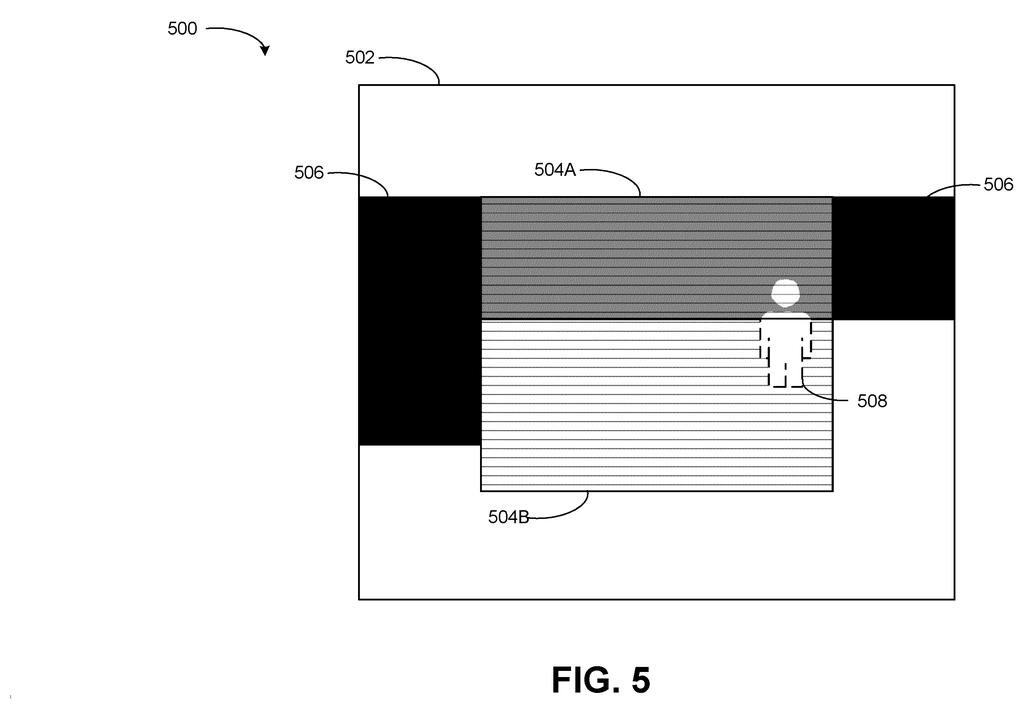
Nvidia's patent describes a system that looks at each damaged frame and figures out two things: where the bad data is located, and what part of that frame actually matters for the task at hand. It then picks a repair method tailored to that specific combination, rather than applying a one-size-fits-all patch.
The practical payoff is that the AI analyzing the video gets a cleaner, more accurate picture to work with, even when the raw footage arrives full of holes. Different frames can get different treatments, because the damage rarely lands in the same spot twice.
… determine that a first frame of the plurality of frames comprises first corrupted or lost data, the first frame having a first region of interest; in response to determining that the first frame comprises the first corrupted or lost data, generate a first corrected frame by applying a first error concealment function to at least the first region of interest of the first frame; …
Translation: The system finds damaged video parts and fixes them based on what matters most in the scene.
How the system picks a repair method for each damaged frame
The patent describes a processor-level system that monitors incoming video streams and flags frames with corrupted or lost data. Once a bad frame is identified, the system does not simply reach for a standard replacement strategy.
Instead, it consults two pieces of context before choosing a repair approach:
- Location of the damage within the frame (top corner, center, edge, etc.)
- Region of interest in that frame (the part the AI model cares about, such as a face, a vehicle, or a lane marker)
Based on those two inputs, the system selects an error concealment function (essentially a fill-in algorithm) matched to that specific situation. The patent makes clear that a second corrupted frame in the same stream can receive an entirely different concealment function, because its damage location and region of interest may differ from the first.
The approach is designed to feed downstream AI inference models (the components that interpret what is in the video) with reconstructed frames that preserve the most decision-relevant visual information, rather than frames patched in a generic way that may distort exactly the pixels the model needs.
… generate a corrected frame by applying an error concealment function selected based at least on a location of the corrupted or lost data in the frame and a region of interest in the frame.
Translation: It repairs bad video frames by looking at where the damage is and what objects are important.
What this means for AI cameras and real-time video processing
For any system that uses live video to make automated decisions, such as a security camera, a self-driving vehicle sensor suite, or a robotics pipeline, the quality of every frame matters. A corrupted frame that is poorly repaired can mislead the AI into misidentifying an object or missing something entirely. This patent targets that failure point directly by making the repair step aware of what the AI is actually looking at.
Nvidia has been filing around AI-assisted video and sensor processing for some time, and this fits that pattern. For the average person, the benefit would show up as fewer glitches or errors in AI-powered products that rely on camera input, especially in environments where network conditions are unpredictable.
That makes this Nvidia's 57th filing we've tracked in AI vision since May, building on gaze prediction work and instant gaze controls.
If an AI camera misreads a damaged video frame and triggers a false alarm or misses a real threat, the error concealment method used matters far more than most people realize. This patent addresses that directly by making the repair smarter: when a frame arrives corrupted, the system figures out where the important action is happening and applies the best available fix to that specific area first.
For someone relying on a security system, a medical imaging tool, or an autonomous vehicle, the concrete benefit is fewer wrong decisions made from bad data. You would not notice the repair at all, which is exactly the point.
The patent does not invent a new way to fix images; it defines the logic for choosing which fix to apply and where. That decision layer is modest in scope but meaningful in practice, because a repair method that ignores context can make an AI's job harder even when the video looks acceptable to a human eye.
There are more where this came from
We read every patent application Big Tech publishes and send you the ones worth knowing. Plain English, free, every week.
The drawings
9 drawing sheets from US 2026/0281463 A1 · click any drawing to enlarge


Want this weekly breakdown for a company we don't cover? Patentlyze Pro →