
Nvidia Patents a Neural Network System for Rendering 3D Virtual World Images
Nvidia has patented a method for using neural networks to synthesize images directly from three-dimensional virtual environments — a technique that could reshape how AI generates realistic scenes for games, simulations, and training data.
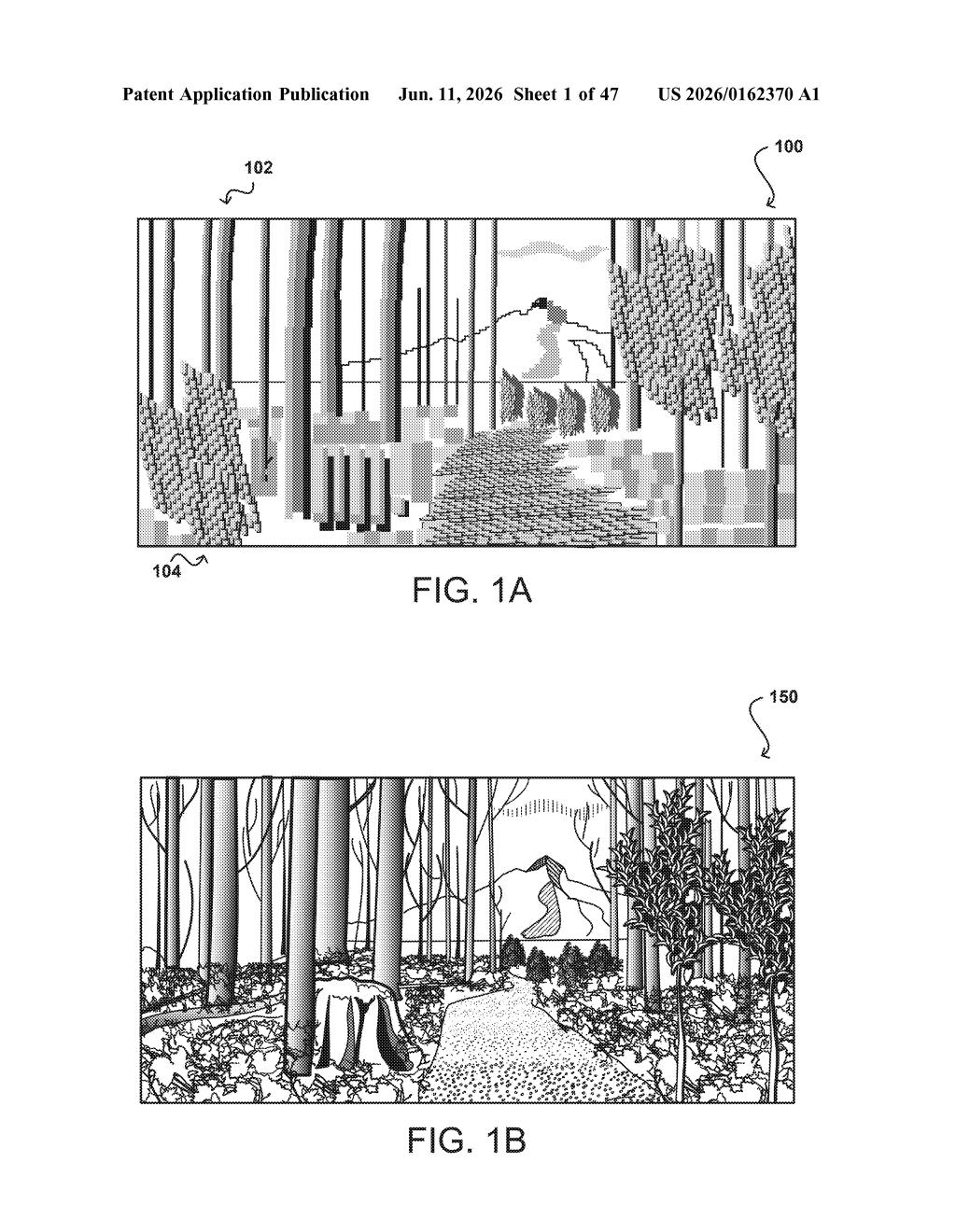
What Nvidia's 3D scene image generator actually does
Imagine you're building a virtual city for a video game or a self-driving car simulator. Normally, rendering a realistic-looking image of that city takes enormous computing effort — the software has to calculate lighting, shadows, textures, and geometry for every single frame.
Nvidia's patented approach hands that job to a neural network. Instead of traditional rendering, the system takes the meaning-rich information baked into a 3D scene — things like "this is a road," "that is a building," "here is a pedestrian" — and uses AI to translate those descriptions directly into a photorealistic image.
The result is that generating believable images of virtual worlds could become faster and more flexible, especially for applications like synthetic training data for AI models, where you need thousands of varied, realistic-looking scenes quickly.
How semantic features from 3D space drive the image output
The patent describes a pipeline where semantic features (meaning-tagged labels that describe what objects in a scene are, not just how they look) are extracted from a three-dimensional environment and then projected — mapped — into a form the neural network can process.
Those projected features are fed into one or more neural networks that learn to synthesize a photorealistic image matching the scene's layout and content. The key insight is that working from semantic 3D data (essentially, a labeled map of the virtual world) rather than raw geometry gives the network richer, more structured information to work from.
The claims in the published application were all canceled (claims 1–20 are listed as canceled), which is notable — it means the patent as published doesn't currently have active, enforceable claims. This sometimes happens during prosecution when the examiner rejects initial claims and the applicant rewrites them.
- 3D environment provides labeled scene data
- Semantic features are projected into a 2D-compatible representation
- Neural network synthesizes a photorealistic image from those features
What this means for AI-generated virtual environments
For Nvidia, this sits squarely in its push to make AI-driven rendering a mainstream tool — think synthetic data generation for autonomous vehicle training, real-time game asset creation, or digital twin visualization. The company already sells hardware and software stacks aimed at exactly these markets, so a patented neural rendering pipeline fits the strategy neatly.
For you as an end user, the downstream effect could be faster, cheaper creation of realistic virtual environments — whether that shows up in the next generation of game engines, film production tools, or the simulated worlds used to train the robots and self-driving cars of the near future.
The underlying idea — using semantic 3D features to condition image synthesis — is legitimate and actively researched, but the fact that all 20 claims are canceled makes this filing essentially a placeholder at the moment. Until Nvidia files amended claims and they're allowed, there's nothing enforceable here. Worth tracking for what it signals about Nvidia's neural rendering ambitions, but not worth treating as a locked-down IP position yet.
There are more where this came from
We read every patent application Big Tech publishes and send you the ones worth knowing. Plain English, free, every week.
Want this weekly breakdown for a company we don't cover? Patentlyze Pro →