
IBM Patents an AI That Builds New 3D Structures to a Controlled Blueprint
Most AI image and shape generators produce something plausible but unpredictable. IBM's new patent wants to fix that by forcing the AI to follow a structural blueprint before it even starts generating.
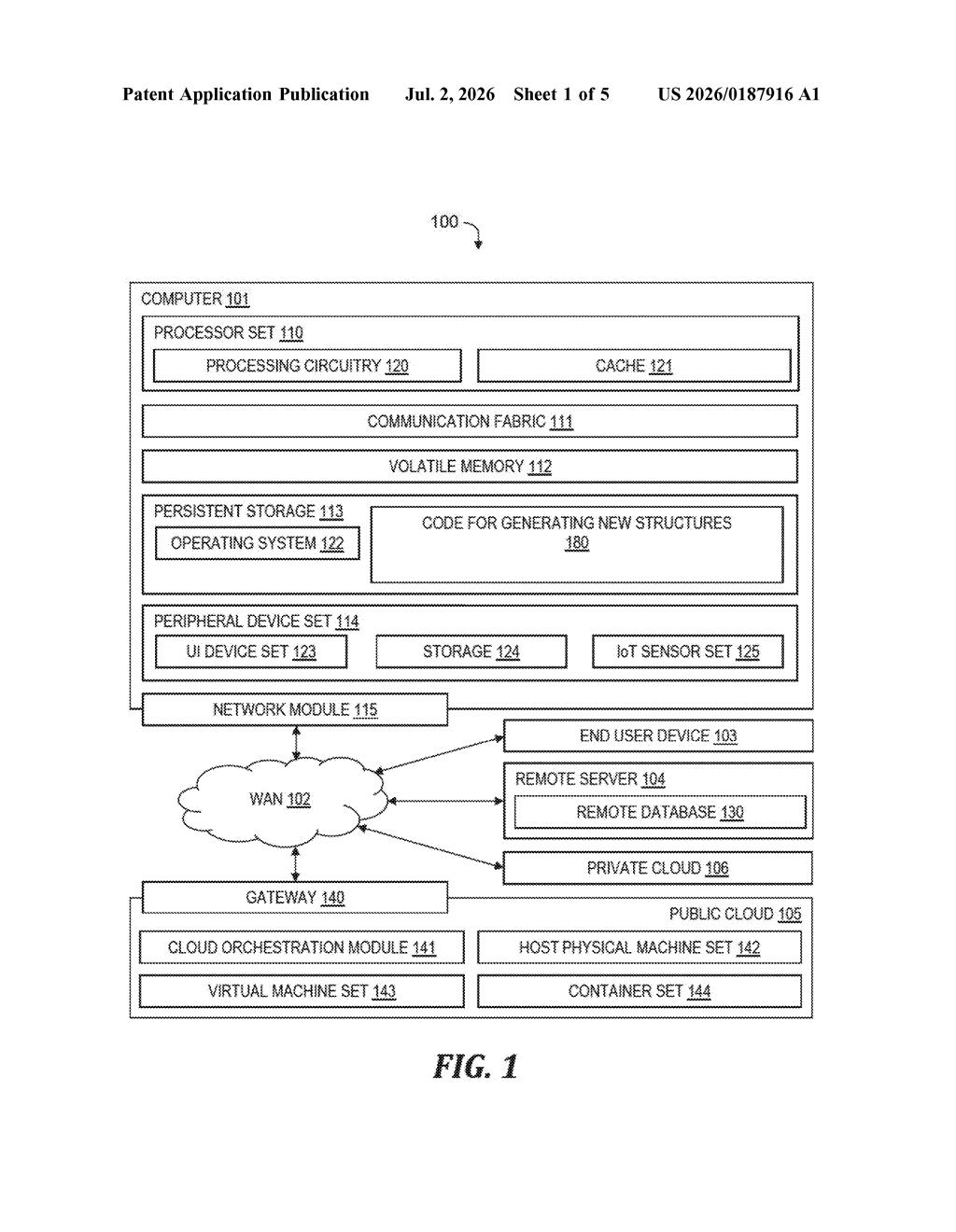
What IBM's topology-controlled AI generator actually does
Imagine you ask an AI to design a bridge, but it keeps spitting out shapes that look cool yet structurally make no sense, with tunnels that dead-end or supports that float in mid-air. That's a real problem when AI is used to design things that have to hold together physically, like molecules, mechanical parts, or architectural forms.
IBM's patent describes a way to teach an AI generator to respect a topological skeleton, a kind of invisible scaffolding that defines the basic shape rules before any details are filled in. Think of it like giving an architect a floor plan they can't violate, no matter how creative they get with the decoration.
The result is an AI that can still be creative and produce new, original structures, but always within boundaries you set. That makes it far more useful in fields like drug discovery, materials science, or engineering, where the shape of a thing is often as important as anything else about it.
How IBM's model enforces shape rules during generation
The patent describes a generative model (the class of AI that produces new content, like images or molecular structures) that is trained with an extra layer of information called a topological skeleton.
Topology here means the fundamental shape properties of a structure: how many holes it has, how its surfaces connect, and what its overall form looks like at a high level, independent of exact measurements. A donut and a coffee mug are topologically identical; a sphere is not.
Here's how the system works:
- The AI receives a set of training examples (say, known molecular structures or 3D object meshes).
- It extracts a controllable topological skeleton from that data, a simplified map of the structural rules those examples share.
- The model is then trained using both the raw training data and that skeleton as a guiding condition.
- When generating something new, the user can specify a new topological condition, and the model produces a structure that satisfies those rules.
The key word is "enforced": the topology isn't just a soft suggestion the model can ignore. It acts as a hard constraint the output must satisfy, which is different from how most generative models work today.
What this means for AI-designed materials and objects
In fields like drug discovery and materials science, the 3D shape of a molecule or material directly determines what it does. An AI that generates random-but-plausible shapes is interesting; one that generates shapes guaranteed to meet specific structural requirements is actually useful in a lab or factory setting.
For IBM, this fits squarely into its long-running push to apply AI to scientific research, the same direction as its work on protein structures and quantum chemistry. If this approach holds up, it could make AI-assisted design significantly more reliable in high-stakes applications where a structurally wrong output isn't just aesthetically bad but is a dead end that wastes real time and money.
This is a niche but genuinely interesting filing. The core problem it addresses, that generative AI tends to ignore structural logic in favor of surface plausibility, is real and well-documented in scientific AI research. Whether IBM's specific approach beats competing methods from academia and other labs is an open question, but the direction is right.
Get our take in your Top Stories
Liked this breakdown? Add Patentlyze as a preferred source on Google, and our plain-English take shows up more often in your Top Stories the next time IBM patent news breaks.
There are more where this came from
We read every patent application Big Tech publishes and send you the ones worth knowing. Plain English, free, every week.
Want this weekly breakdown for a company we don't cover? Patentlyze Pro →