
IBM's New Patent Lets Factory Managers Watch Skill Gaps Cause Problems Before They Do
IBM wants factory managers to stop guessing about what happens when a worker doesn't have the right skills, and instead watch it play out in a virtual simulation before anything goes wrong on the real floor.
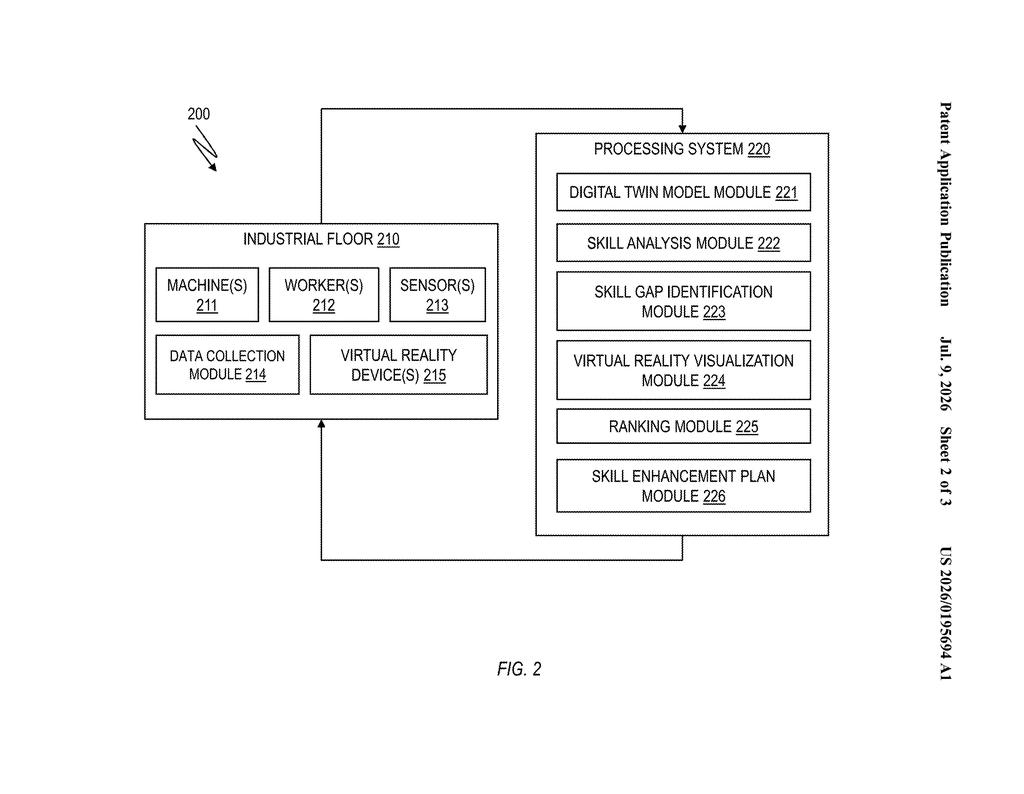
How IBM's system spots and simulates worker skill gaps
Imagine a factory where one worker is responsible for a step in a complex assembly line, but they're missing some of the training that step requires. Right now, most managers don't find out until something goes wrong, a product defect, a safety incident, or a costly delay.
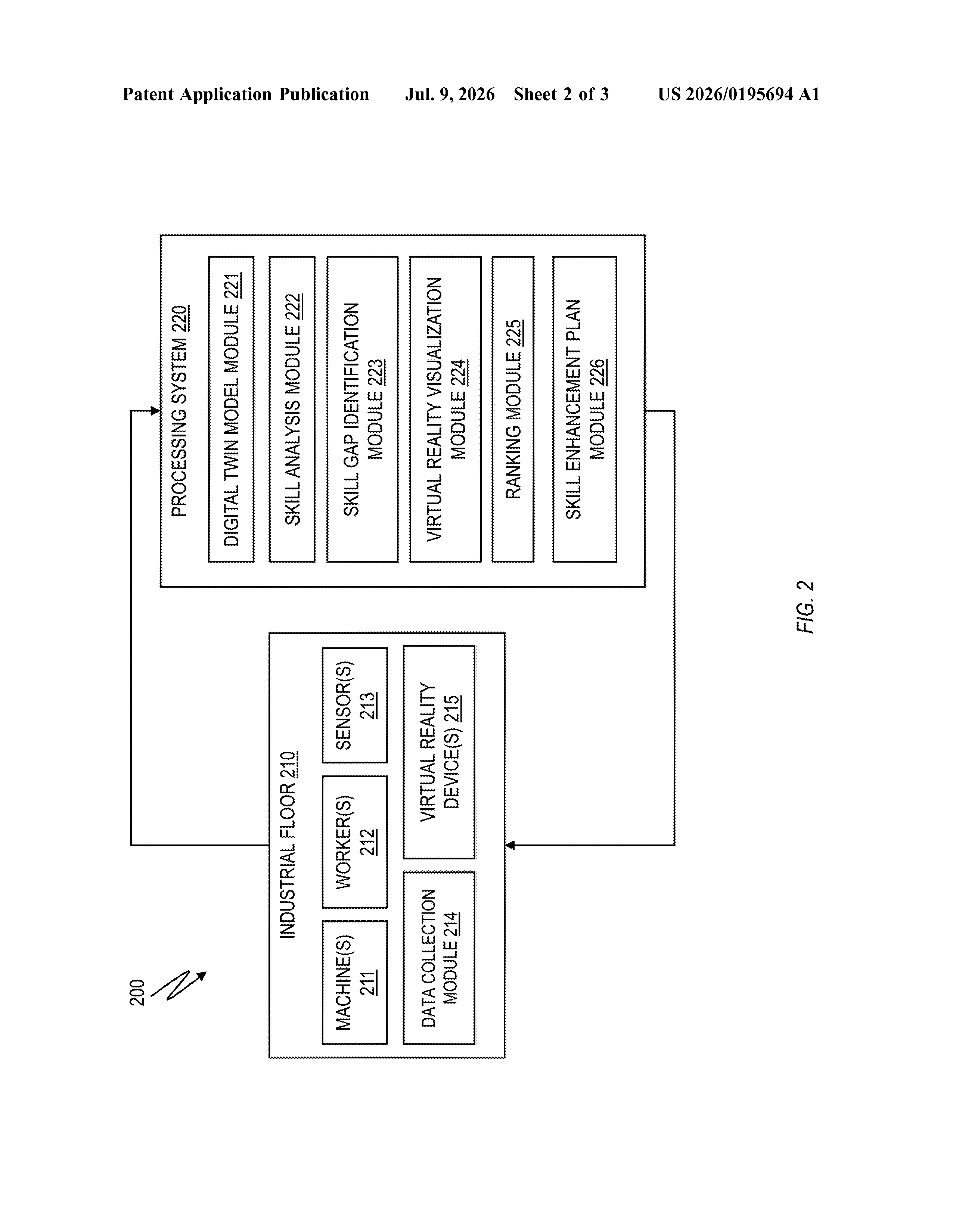
IBM's patented system tries to get ahead of that. It builds a virtual copy of the factory floor (called a digital twin), watches how a worker actually performs their tasks, and compares that to what the job requires. When it finds a gap, it runs simulations to show what could go wrong if that gap isn't addressed, and then renders those consequences in virtual reality so managers can see them directly.
The system also generates a plan to close those skill gaps before they turn into real problems. Think of it as a flight simulator for factory training: you get to see the crash without anyone getting hurt.
How the digital twin runs the skill-gap simulation
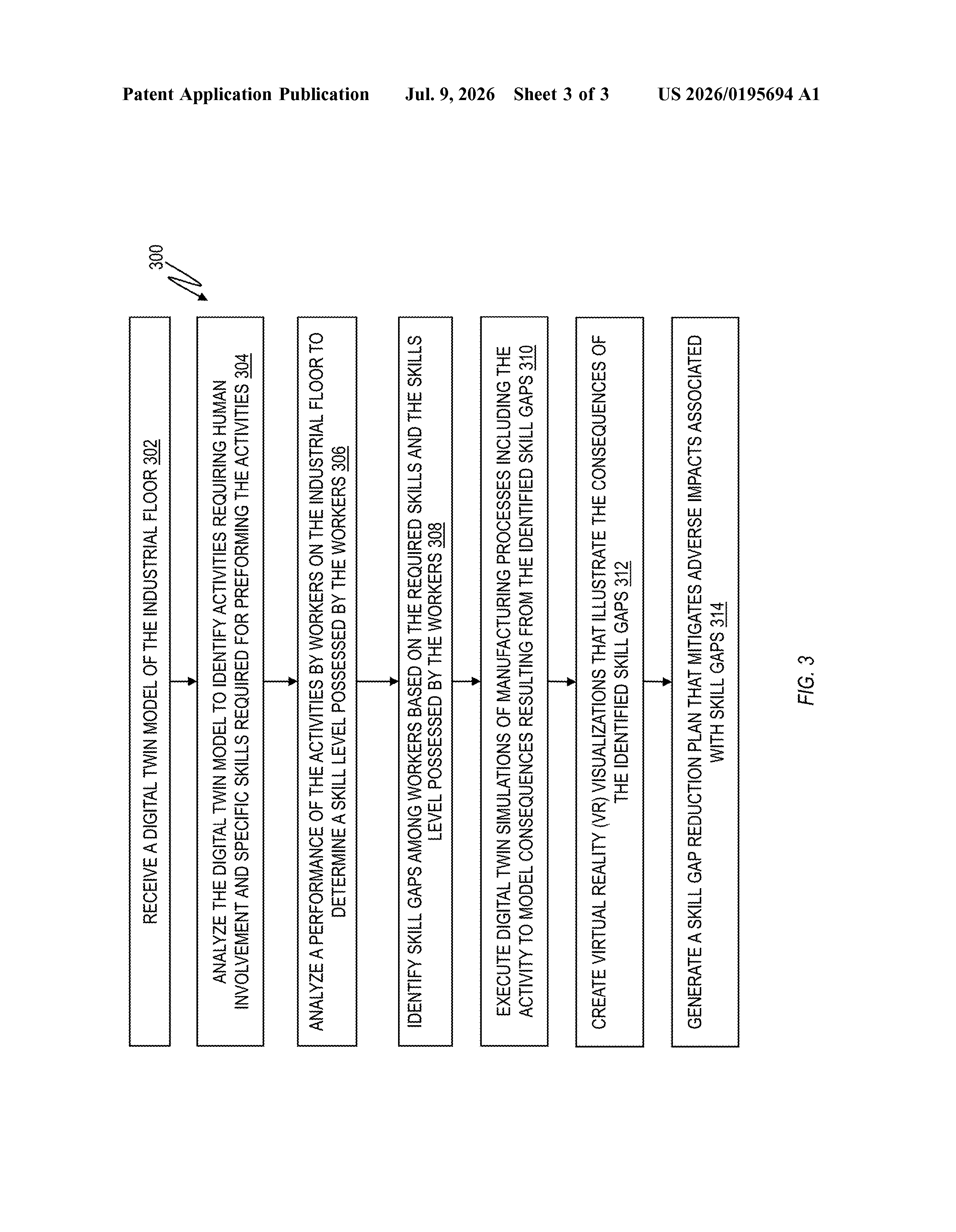
The system starts by ingesting a digital twin model of an industrial floor, a detailed, data-connected virtual replica of the physical space, its machines, and its workflows. It analyzes that model to figure out which tasks require human involvement and what specific skills those tasks demand.
Next, it watches a real worker performing those tasks and evaluates their skill level against what the job actually needs. Any gap between required and demonstrated skills gets flagged.
Once skill gaps are identified, the system runs digital twin simulations, essentially, it replays manufacturing processes inside the virtual model, this time with the worker's actual skill level plugged in, to project what consequences could follow. Those consequences are then rendered as VR visualizations, so managers and trainers can see, not just read about, what a deficiency might produce on the line.
Finally, the system outputs a skill gap reduction plan: a structured set of recommendations to address each identified shortfall and reduce the risk of those simulated outcomes happening for real.
What this means for factory training and oversight
Factory training programs have traditionally been reactive, you design them based on job descriptions, not on what workers are actually doing wrong and what it actually costs the operation. IBM's approach flips that by connecting observed performance data directly to simulated outcomes, making the stakes of a skill gap visible rather than abstract.
For plant managers and HR teams, this could mean fewer costly surprises and more targeted training investment. For workers, a system that identifies gaps and proposes a remediation plan is arguably fairer than one that simply flags underperformance with no context. Whether IBM builds this into an existing platform like IBM Maximo or offers it as a standalone product remains to be seen.
This is a sensible, if unglamorous, application of digital twin technology to a real operational problem that most large manufacturers genuinely struggle with. The VR visualization angle is the most interesting piece, turning abstract risk data into something a manager can actually watch is a meaningful UX leap over a spreadsheet of skill scores. Don't expect this to be a breakout IBM product, but it fits neatly into the industrial AI space where IBM has been investing steadily.
Get our take in your Top Stories
Liked this breakdown? Add Patentlyze as a preferred source on Google, and our plain-English take shows up more often in your Top Stories the next time IBM patent news breaks.
There are more where this came from
We read every patent application Big Tech publishes and send you the ones worth knowing. Plain English, free, every week.
The drawings
3 drawing sheets from US 2026/0195694 A1 · click any drawing to enlarge
Want this weekly breakdown for a company we don't cover? Patentlyze Pro →