
Nvidia Patents a Way to Train One AI Network Across Groups of Similar 3D Materials
Rendering realistic surfaces in 3D scenes, from scratched metal to wet concrete, is computationally expensive. Nvidia's new patent describes a way to teach one compact AI network to handle many materials at once by grouping similar ones together before training.
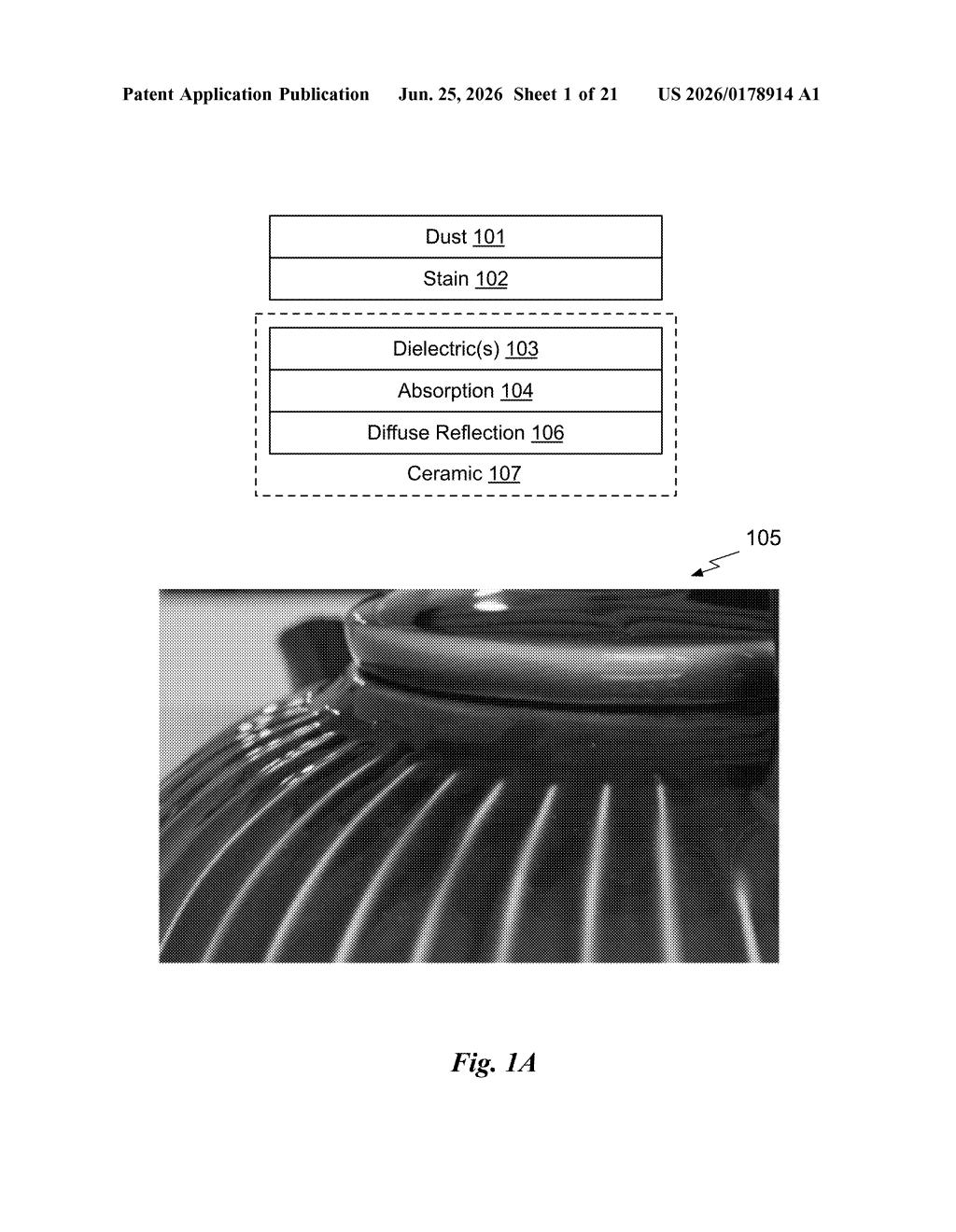
What Nvidia's material-clustering system actually does
Imagine a film studio that needs to render thousands of different surfaces: wood, fabric, glass, rust, skin. Normally, teaching an AI to accurately simulate how light bounces off each one takes enormous computing effort. Nvidia's patent proposes a shortcut: group materials that behave similarly (say, all rough metals, or all semi-transparent fabrics) into clusters, then train one shared AI network per cluster rather than one per material.
The network for each cluster learns a compressed description of every material in that group. To render a specific surface, it unpacks that compressed description and reconstructs how light should interact with it. Because materials in the same cluster already share underlying physical properties, the network doesn't have to work as hard to tell them apart.
The practical upside is a more memory-efficient system. Instead of storing massive separate models for each surface, you store one lean network per cluster, which could make high-quality rendering faster or cheaper, especially useful in games, film production, and real-time 3D applications.
How the neural network shares parameters across material clusters
The patent describes a training method for what Nvidia calls a neural material network, an AI model that encodes how surfaces reflect light (their reflectance attributes) in a compact, compressed form.
The key idea is material clustering: before training begins, materials with similar physical properties are grouped together. For example, all polished metals might form one cluster, all rough stone another. Each cluster gets its own dedicated training run using reference reflectance data specific to those materials.
During training, the network learns to work with latent vectors (think of these as short numerical fingerprints that encode a material's unique look) for every material in the cluster. The network's job is to decode those fingerprints back into full reflectance information accurate enough to render the surface realistically.
Because materials within a cluster already share structural similarities, the network can use a shared set of parameters (the internal weights that define what the AI has learned) across all of them, rather than learning everything from scratch per material. The result is a family of lightweight, cluster-specific networks that together cover a wide range of surface types without the memory overhead of fully independent models.
What this means for real-time rendering and game graphics
For graphics-intensive applications like real-time game engines or film rendering pipelines, memory and compute budgets are always tight. Storing high-fidelity material representations for hundreds of unique surfaces can be prohibitively expensive. A clustering approach lets Nvidia pack more material variety into less storage, which could translate directly into richer-looking environments on the same hardware budget.
This fits squarely into Nvidia's broader push to bring neural rendering, where AI replaces or supplements traditional ray-tracing math, into production workflows. If neural material networks can be made compact and fast enough through schemes like this one, they become practical candidates for inclusion in real-time engines like those running on GeForce GPUs, or in professional tools like Omniverse.
This is focused, infrastructure-level research rather than a splashy consumer feature. But material rendering is one of the real bottlenecks in neural graphics, and a principled approach to sharing network weights across similar materials is exactly the kind of unsexy optimization that makes the technology practical. Worth tracking for anyone following Nvidia's neural rendering roadmap.
There are more where this came from
We read every patent application Big Tech publishes and send you the ones worth knowing. Plain English, free, every week.
Want this weekly breakdown for a company we don't cover? Patentlyze Pro →