
Sony Files Patent to Detect and Fix Muffled Gaming Controller Speakers
If you've ever gripped your PlayStation controller tightly and noticed the speaker sound suddenly go dull, Sony has apparently been thinking about the same problem. A new patent describes a gaming device that can tell when its speaker is being covered and automatically do something about it.
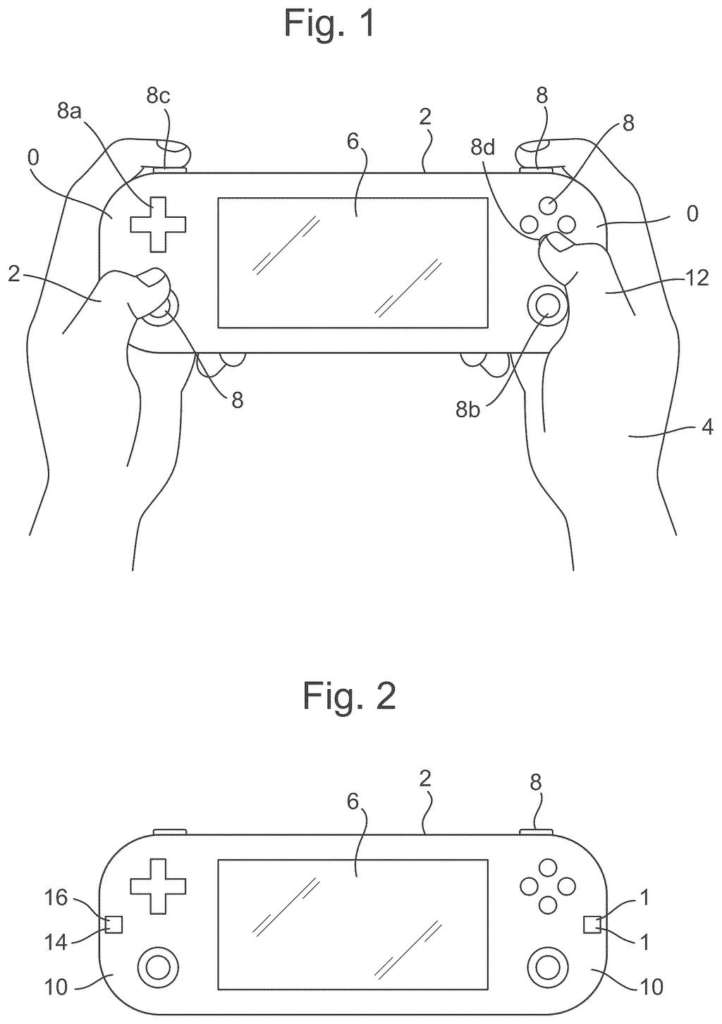
What Sony's speaker-obstruction detection actually does
Imagine you're in the middle of a tense game, holding your controller with both hands, and without realizing it, your palm is sitting right over the speaker grille. The sound gets muffled, and you miss an audio cue.
Sony's patent describes a controller that knows when this is happening. A built-in detector watches for signs that the speaker is at least partially blocked, then triggers a fix automatically. That fix could be boosting the volume, shifting audio to another output like your headset or TV, or something else entirely.
The patent doesn't lock Sony into one detection method or one fix, which gives it a lot of flexibility. But the core idea is simple: the controller shouldn't just silently suffer through bad audio conditions. It should notice and adapt.
How the controller senses a blocked speaker and responds
The patent describes three cooperating components inside a gaming device (most likely a controller like the DualSense):
- A speaker that receives an audio signal and produces sound output
- A detector that monitors whether the speaker is at least partially obstructed
- A processor that kicks off one or more "alleviating actions" when an obstruction is detected
The patent is intentionally broad about how obstruction is detected. It could involve microphones listening for a change in the speaker's acoustic signature (the way sound bounces back when something is covering the grille), optical sensors, pressure sensors on the controller housing, or some combination.
The alleviating actions are also left open-ended. The processor could raise the speaker volume to compensate, reroute audio to a connected headset, send a notification to the player, or blend multiple responses at once.
This kind of adaptive audio response (adjusting output based on real-time physical conditions) is already common in smartphones, where earpiece volume adjusts when the phone is pressed to your ear. Sony appears to be applying a similar principle to game controllers.
What this means for PlayStation controller audio
The DualSense controller already uses its built-in speaker for immersive effects, like the crackle of a fire or the sound of rain. If a player's grip is constantly muffling that speaker, the experience breaks down and the player may not even know why. A controller that compensates automatically keeps the intended experience intact without asking you to adjust your grip.
For Sony, this also points to a broader design priority: the controller itself is an audio device, not just an input device. Patents like this suggest Sony is investing in making that speaker more reliable across different real-world holding styles, not just optimal studio conditions.
This is a small but sensible quality-of-life fix for a real problem that DualSense owners actually run into. It's not headline-grabbing engineering, but it's the kind of detail that separates a controller that feels polished from one that doesn't. Worth watching for if you care about PlayStation hardware refinement.
There are more where this came from
We read every patent application Big Tech publishes and send you the ones worth knowing. Plain English, free, every week.
The drawings
2 drawing sheets from US 2026/0222735 A1 · click any drawing to enlarge


Want this weekly breakdown for a company we don't cover? Patentlyze Pro →