
Sony Patents a Federated Learning System That Keeps Your Data Local
Sony is patenting a federated learning architecture that lets a central server improve an AI model using data from many devices — without the server ever seeing that raw data directly. The twist: the server also distributes tuned hyperparameters back to each device, tightening the training loop in a privacy-preserving way.
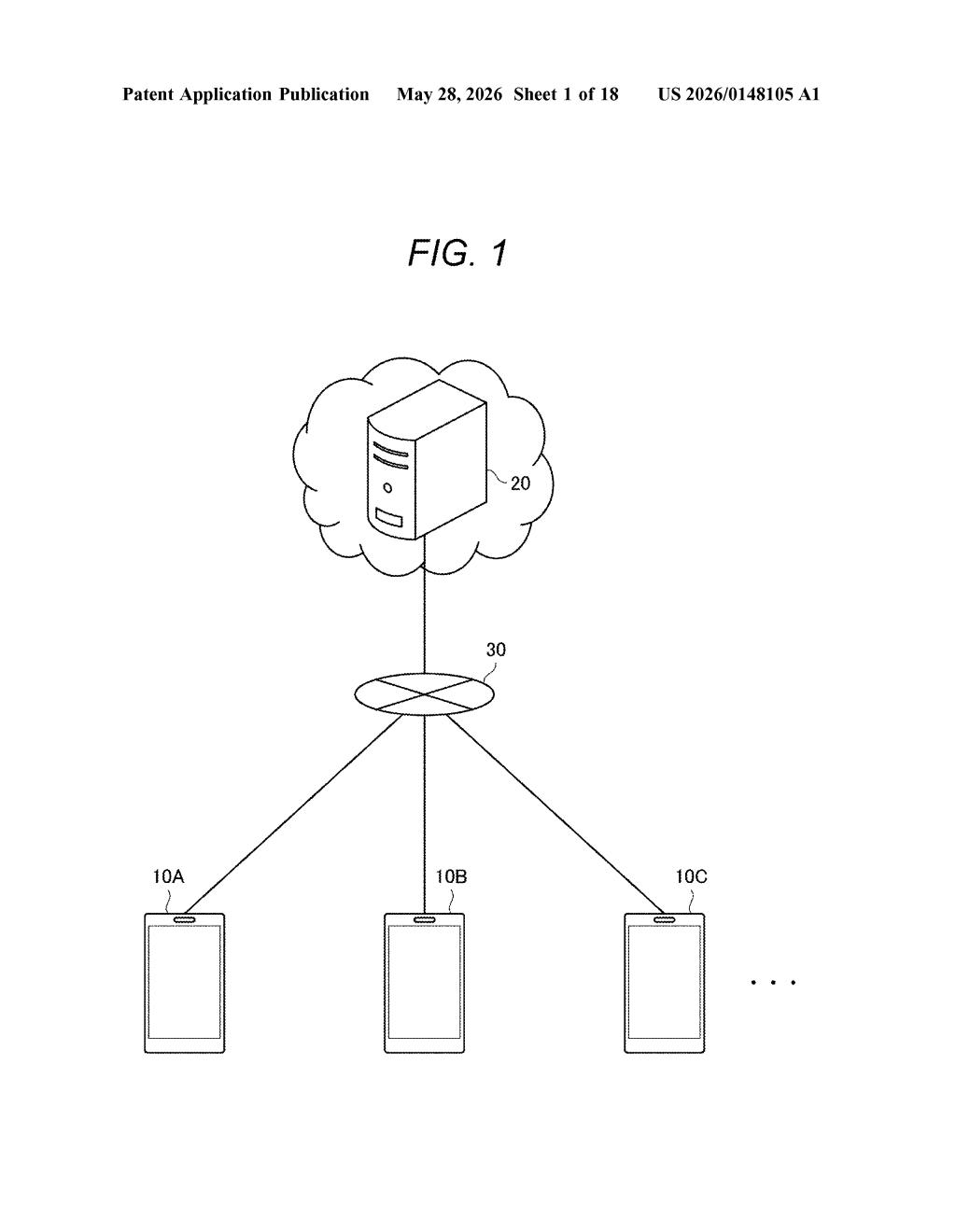
How Sony trains AI without ever seeing your raw data
Imagine your phone helps train an AI model — say, one that recognizes health patterns — but your actual health data never leaves your device. That's the core idea behind federated learning, and Sony is patenting a specific take on it.
Here's how Sony's version works: each of your devices processes its own local data and sends back only a privacy-protected version (think anonymized summaries, not raw files). The central server uses those summaries to tune the AI model, then sends updated configuration settings — called hyperparameters — back to your device. Your device then trains a local copy of the model using your real data and those tuned settings, and sends back only the model updates.
The result is a feedback loop where the server gets smarter without ever touching your personal information. Sony claims this approach improves accuracy compared to simpler federated setups, because the server is actively helping each device train more effectively.
How the server tunes hyperparameters across private devices
The patent describes a central information processing apparatus (a server or orchestration node) that coordinates AI model training across many edge terminals — think phones, cameras, or IoT devices — without centralizing raw user data.
The process has two distinct data flows:
- Privacy-protected data up: Each terminal applies privacy protection processing (e.g., differential privacy or anonymization) to its local data, then sends that sanitized version to the server.
- Hyperparameters down: The server uses the sanitized data to perform global learning and then distributes hyperparameters (tuning knobs like learning rate, regularization strength, or model architecture choices) back to each terminal.
- Model updates up: Each terminal trains locally using its real local data plus the server-provided hyperparameters, then sends back only the model update deltas — not the underlying data.
The central server aggregates those update deltas to refine the global inference model. This two-phase design — first sanitized data for hyperparameter search, then local training guided by those hyperparameters — is Sony's claimed improvement over standard federated averaging, where devices train with whatever default settings they have. By letting the server tune the training configuration before local learning begins, the system aims to squeeze more accuracy out of privacy-constrained data.
What this means for on-device AI and privacy compliance
Federated learning is already deployed in products like Google's Gboard keyboard and Apple's on-device Siri improvements — but most implementations are relatively blunt instruments. The accuracy penalty from keeping data local is real. Sony's patent targets that gap directly: by using even the privacy-protected summaries to configure how each device trains, not just what it trains on, the system could close some of that accuracy gap without weakening privacy guarantees.
For Sony's own product lines — cameras, PlayStation hardware, healthcare wearables, smart TVs — this architecture could enable personalized AI features that improve over time without users having to opt into cloud data sharing. It also positions Sony well for tightening data privacy regulations (GDPR, CCPA, and emerging AI-specific rules) that make centralized training increasingly risky.
This is solid, well-scoped engineering work on a real problem in production ML — the accuracy cost of federated learning is a legitimate pain point. The hyperparameter-distribution angle is a genuine architectural idea, not just a restatement of existing federated learning. Whether Sony can make it stick in the patent office given how active this space is (Google, Apple, and academia have dense prior art here) is another question entirely.
Get our take in your Top Stories
Liked this breakdown? Add Patentlyze as a preferred source on Google, and our plain-English take shows up more often in your Top Stories the next time Sony patent news breaks.
There are more where this came from
We read every patent application Big Tech publishes and send you the ones worth knowing. Plain English, free, every week.
Want this weekly breakdown for a company we don't cover? Patentlyze Pro →