
Samsung Patents a Projector That Knows If It's Pointing at a Wall or Floor
Samsung is patenting a projector that figures out whether it's aimed at a wall or a floor, then automatically switches certain sensors on or off depending on the answer. It's a small detail, but it points to projectors getting a lot more self-aware.
What Samsung's orientation-aware projector actually does
Imagine setting up a portable projector on a coffee table. Sometimes you aim it at the wall, sometimes you tilt it down to project onto the floor for a party or a game. Right now, most projectors just... project, with no awareness of which direction they're facing.
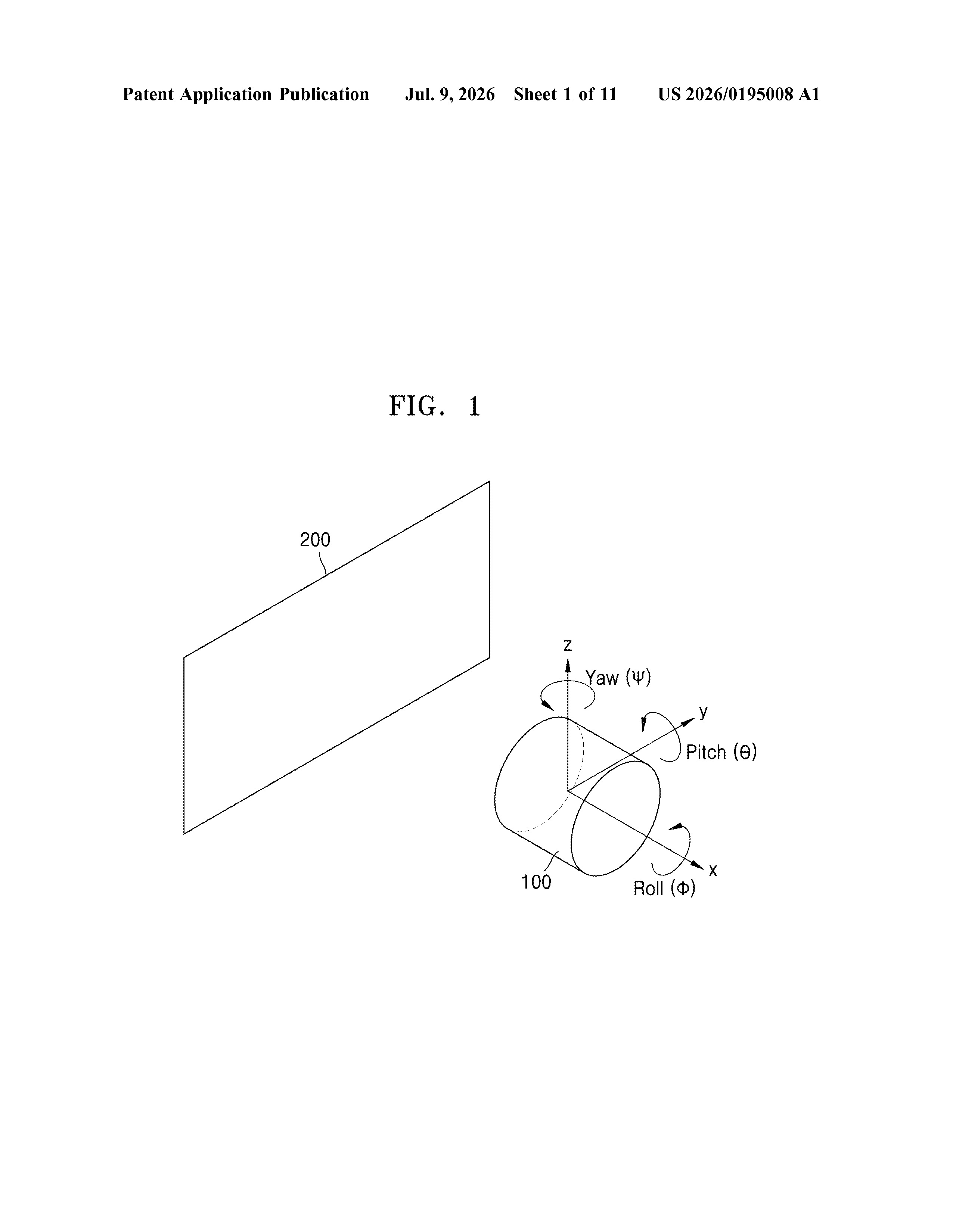
Samsung's patent describes a device that actually knows the difference. It reads its own rotation data (the same kind of sensor your phone uses to know when you've tilted it sideways), figures out whether it's in a wall-projection or floor-projection position, and then turns a specific sensor on or off based on that.
The patent doesn't spell out exactly which sensor gets toggled, but the logic is clear: some sensors are only useful or safe when you're projecting in one direction. Turning them off when they're not needed saves power and prevents them from interfering with the image.
How the device detects orientation and controls its sensors
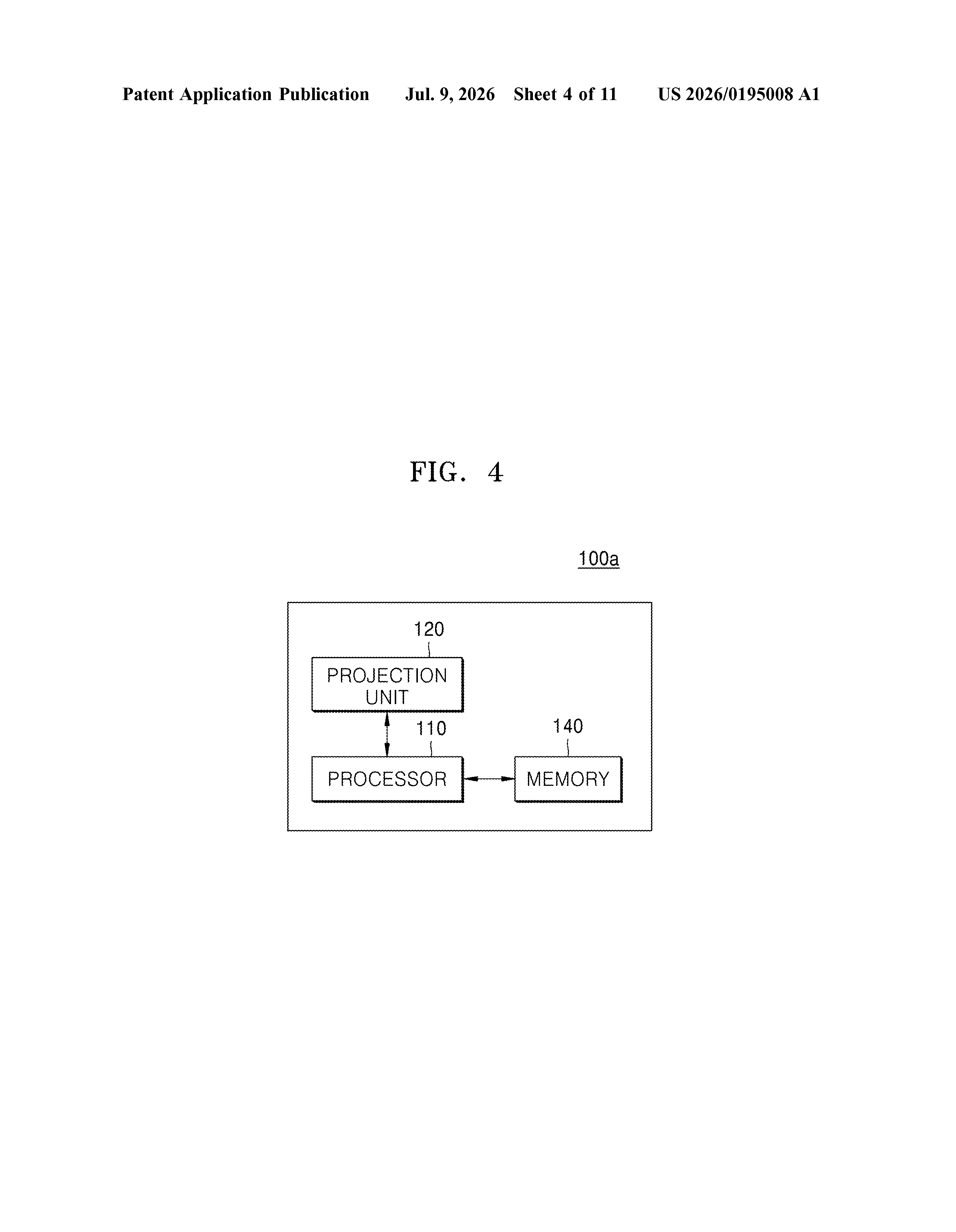
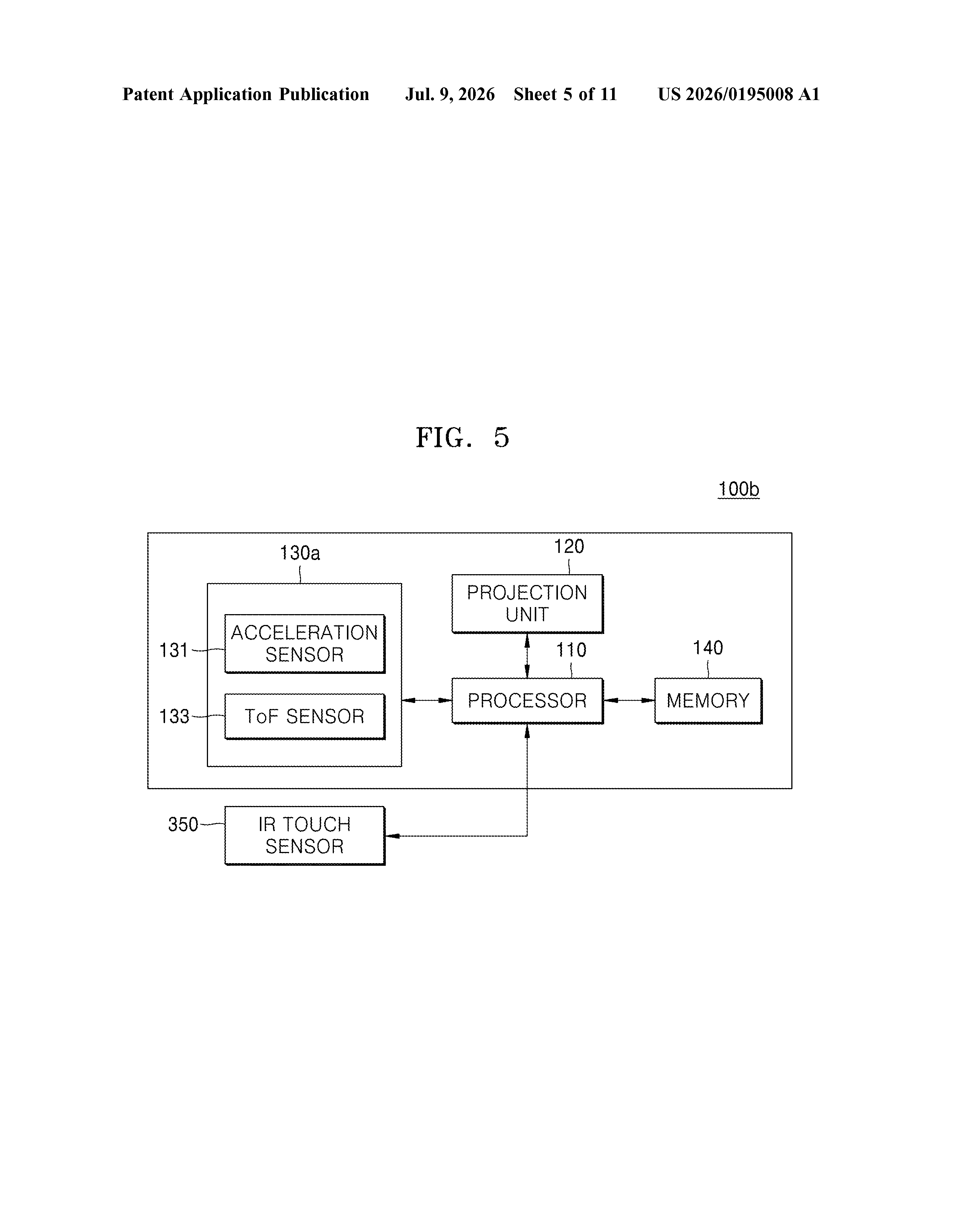
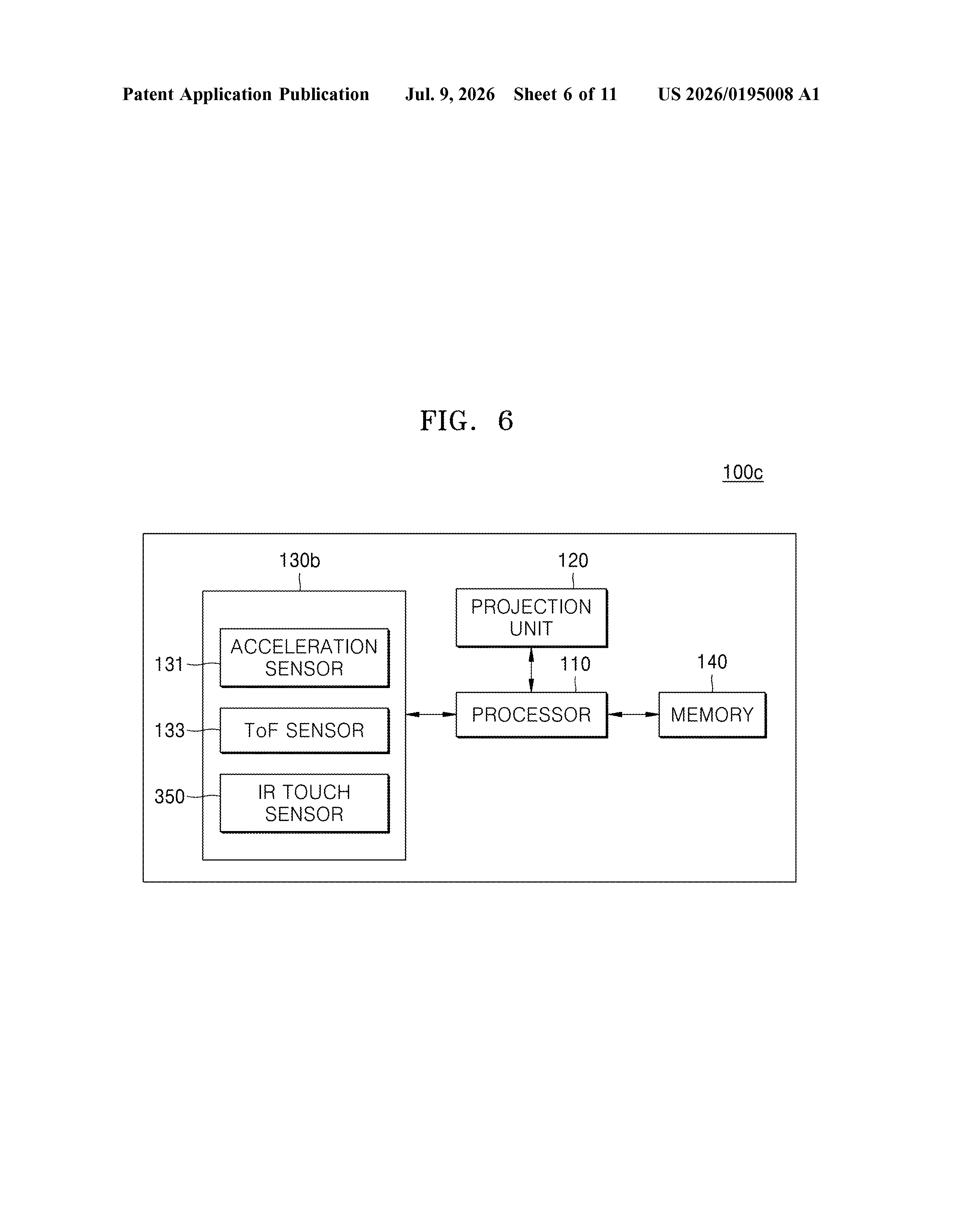
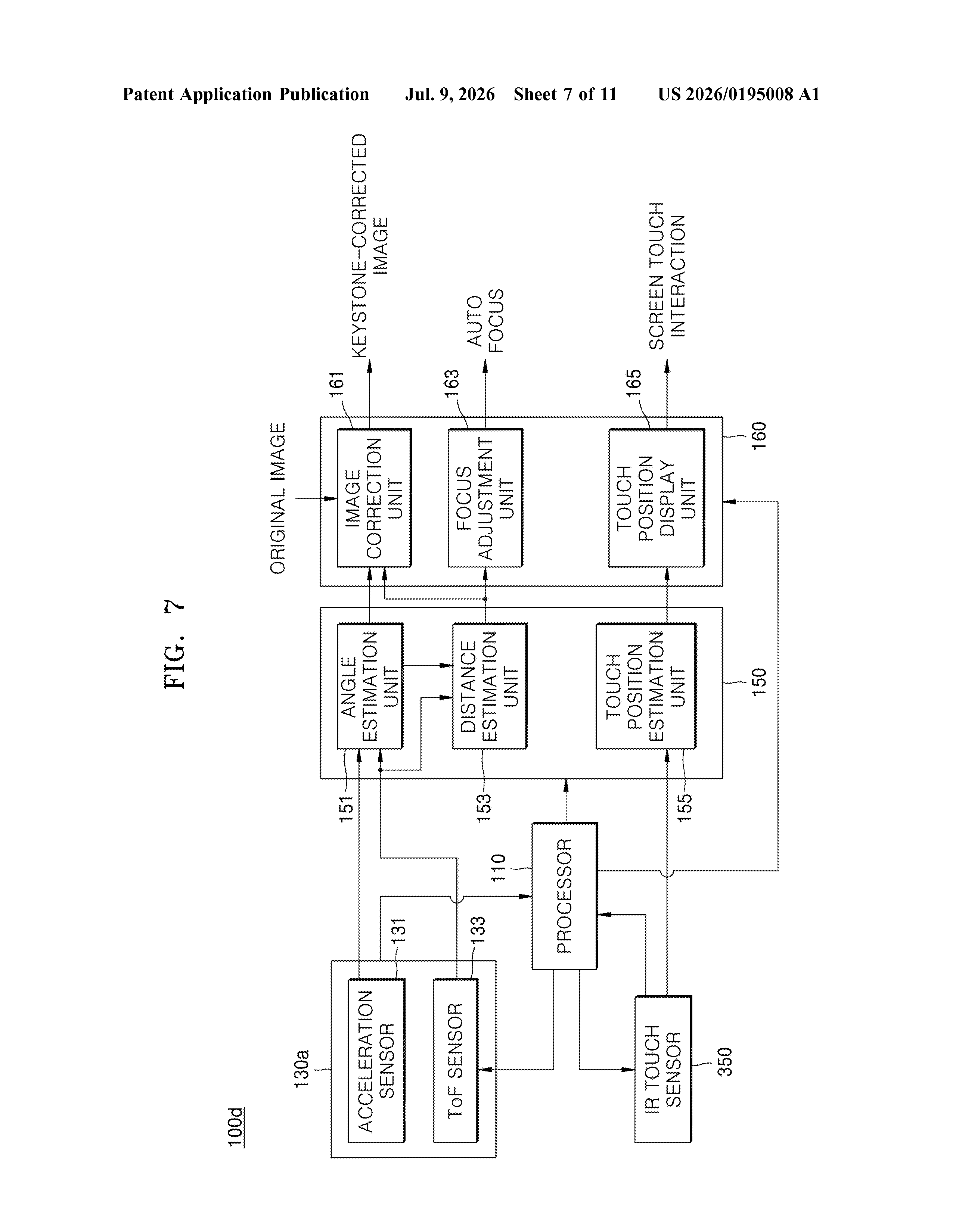
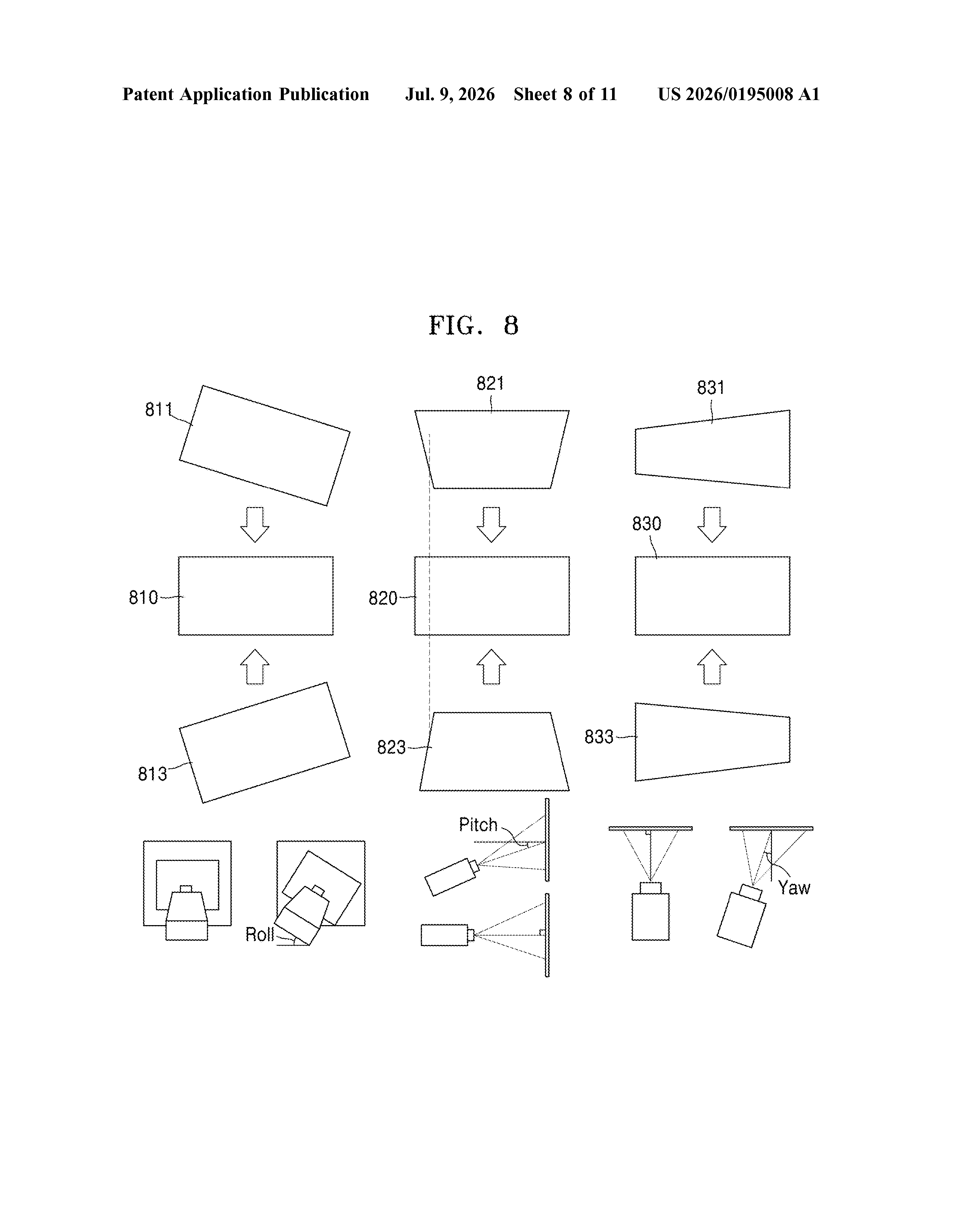
The patent describes an electronic device with a built-in projector that monitors its own physical orientation using rotation state information (data from a gyroscope or accelerometer, the chips that detect tilt and movement).
Once the device determines its orientation, it falls into one of two categories:
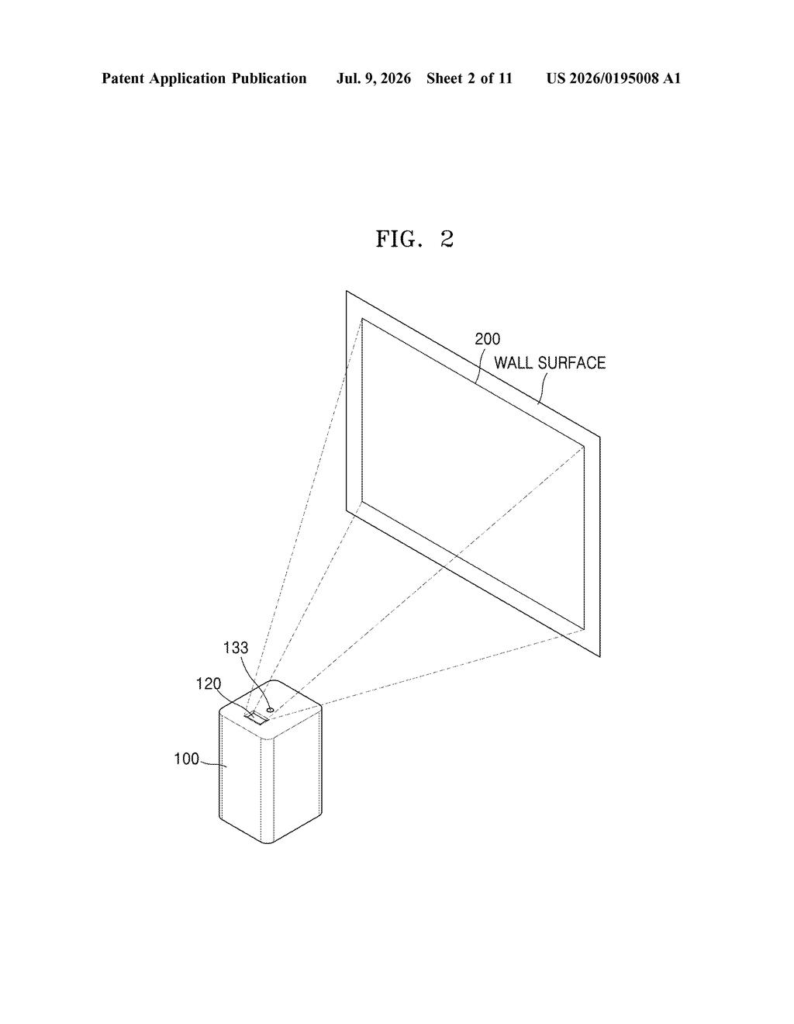
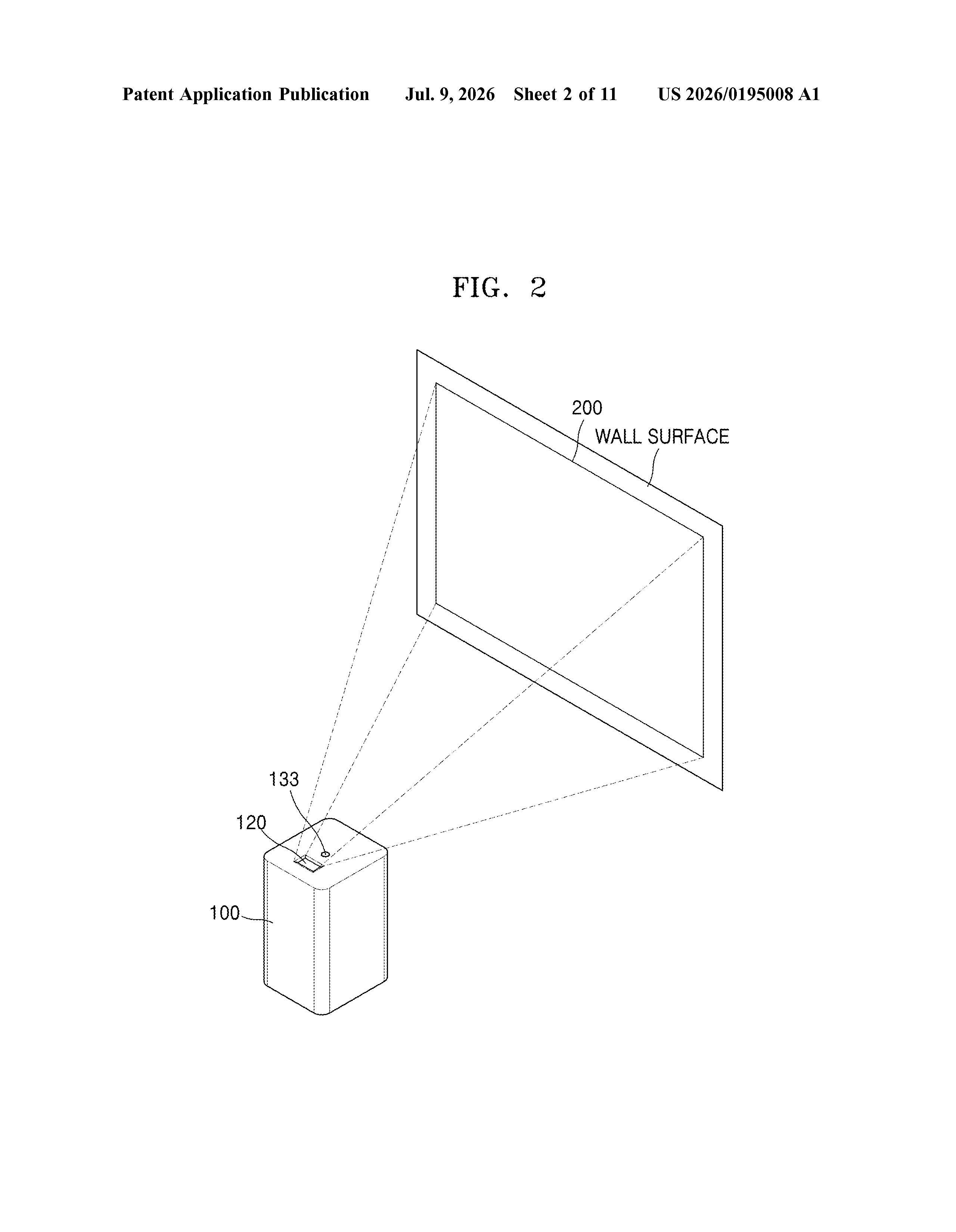
- Wall-projection orientation: the projector is aimed horizontally at a wall. In this mode, a designated first sensor is activated.
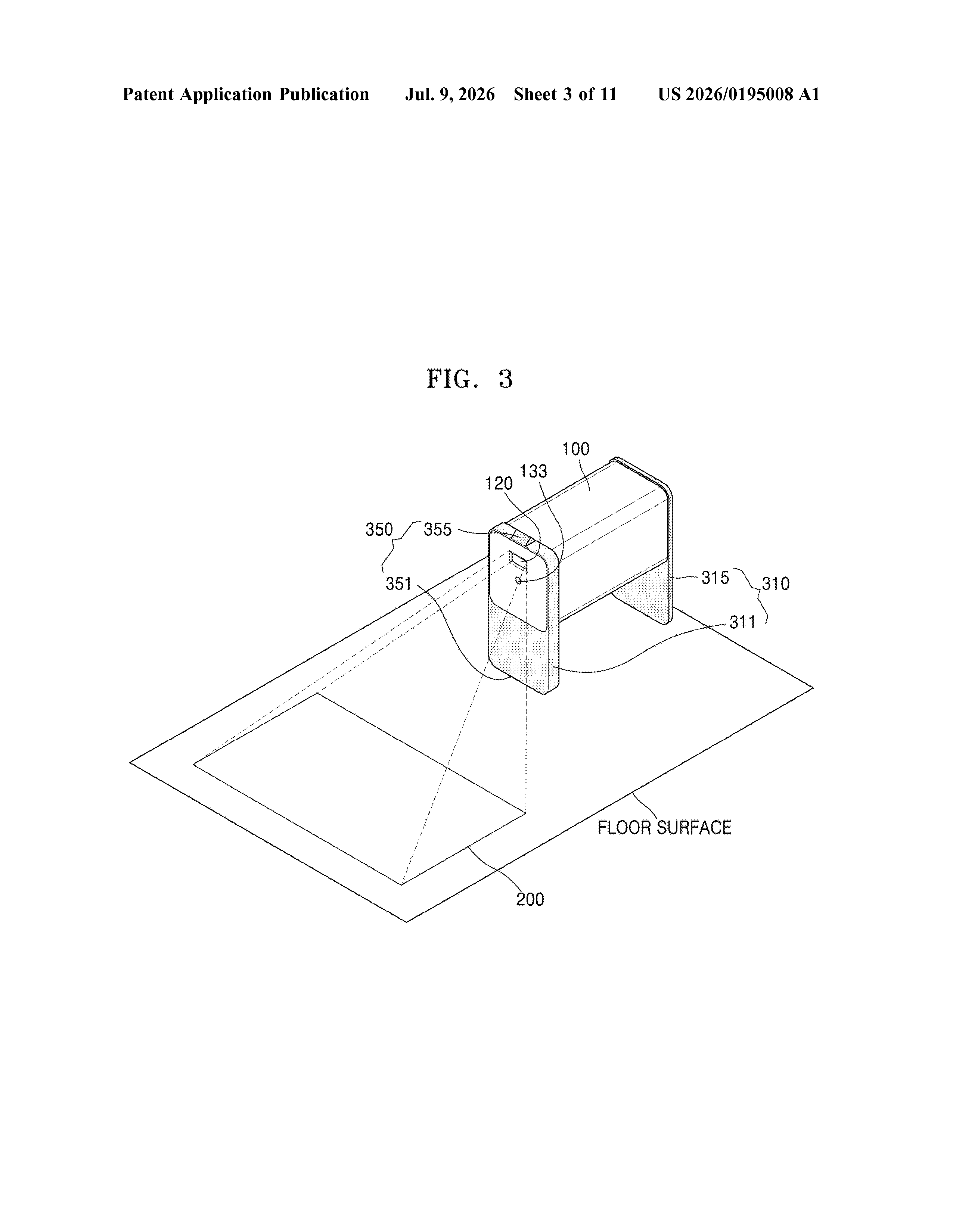
- Floor-projection orientation: the projector is aimed downward at the floor. In this mode, that same first sensor is deactivated.
The patent keeps the identity of that 'first sensor' deliberately broad, which is standard in patent filings to cover a wide range of implementations. Likely candidates include proximity sensors, depth sensors, or environmental light sensors that behave differently depending on the projection angle.
The processing happens onboard: a processor reads the rotation data, classifies the orientation, and issues the activate or deactivate command automatically, with no user input required.
What this means for portable and smart projector design
Portable and smart projectors are a growing product category, and one of their persistent weak points is that they don't adapt well to different setups. A sensor that works correctly when the beam is horizontal may produce bad readings or waste power when the device is tilted downward. Automating that adjustment removes a source of errors and battery drain that users would never think to manage manually.
For Samsung specifically, this fits a pattern of adding low-level intelligence to devices so they behave more predictably across real-world situations. If this ends up in a consumer projector, the benefit is invisible when it works, which is exactly the point.
This is a quiet, functional patent with no wow factor, but that's fine. Sensor management based on physical orientation is exactly the kind of unglamorous engineering that makes devices feel polished. It's worth a note, not a headline, but Samsung is clearly thinking about projectors as context-aware devices rather than dumb light-throwers.
There are more where this came from
We read every patent application Big Tech publishes and send you the ones worth knowing. Plain English, free, every week.
The drawings
11 drawing sheets from US 2026/0195008 A1 · click any drawing to enlarge
Want this weekly breakdown for a company we don't cover? Patentlyze Pro →