
Qualcomm Patents a Two-Phase RF Beam Narrowing System for Wireless Sensing
Qualcomm's latest patent describes a radar-like sensing trick for 5G radios: first scan wide with many beams to get a rough picture, then zoom in with only the beams that actually hit something useful — cutting both latency and wasted processing.
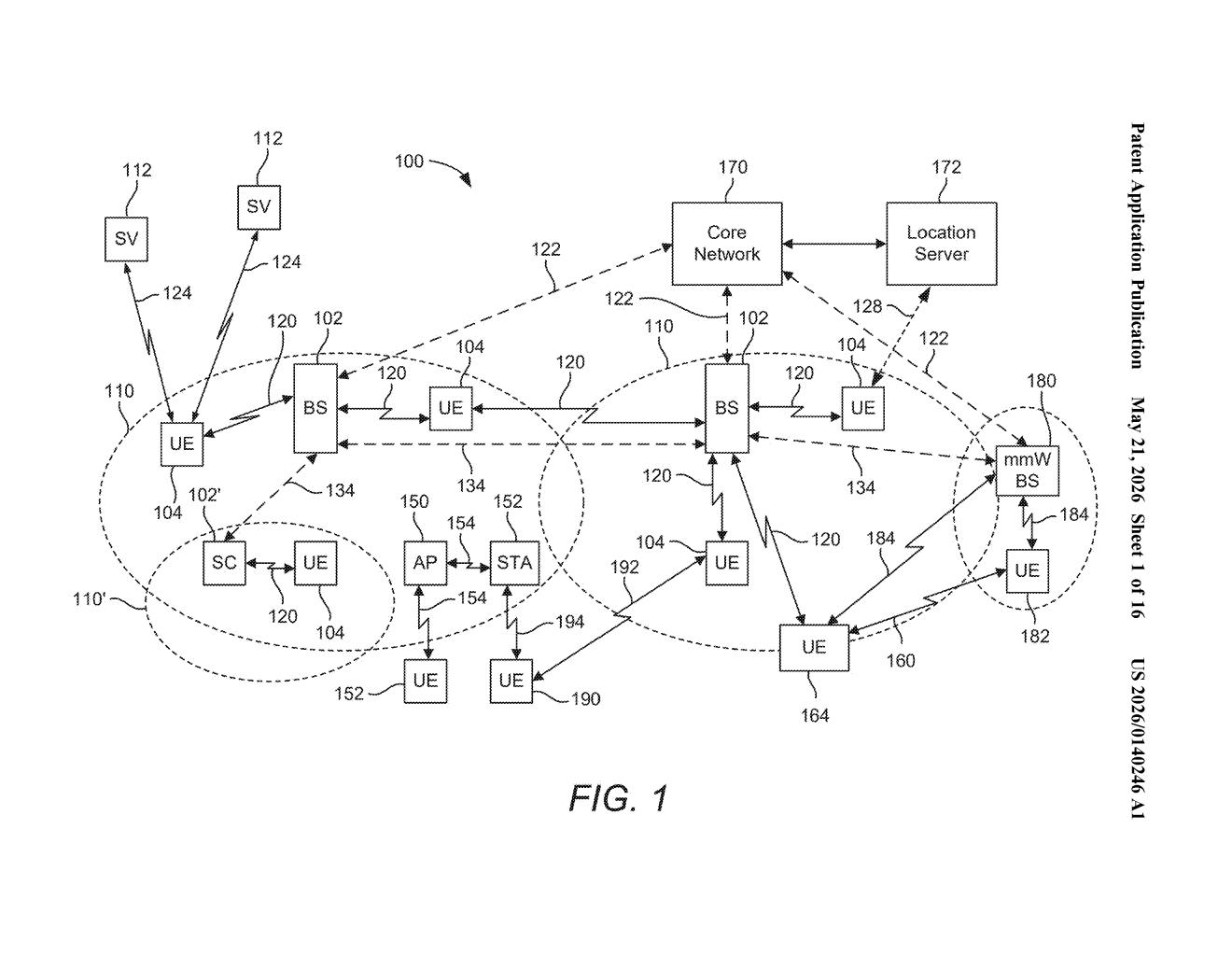
How Qualcomm's two-pass beam scanning finds objects faster
Imagine you're trying to find your keys in a dark room. You could turn on every light in the house at once, but it's faster to sweep a flashlight around first, note where you saw a glint, then focus your full attention there. That's essentially what this patent describes for wireless sensing.
Your phone or a base station sends out radar-like radio signals in many directions simultaneously. Each beam carries a little tag — a beam identifier — so the receiver knows exactly which direction each signal came from. A central coordinator looks at which beams actually bounced off something interesting and picks just that subset for a second, more focused scan.
The result is that the system wastes less time and radio resources scanning empty air. This matters especially for millimeter-wave (mmWave) 5G, where beams are narrow and there can be dozens of them, and for Integrated Sensing and Communication (ISAC) systems that want to do radar-style object detection using the same hardware already transmitting your data.
How beam IDs and subset selection cut sensing overhead
The patent defines a three-actor system: a sensing transmit node (the radio that sends signals), a sensing receive node (the radio that listens), and a sensing management component (a coordinator, likely a base station or network function) that makes beam decisions.
Phase one is a broad sweep. The transmit node fires first sensing signals across a full set of transmit beams. Crucially, each signal carries an indication of its transmit beam identifier — essentially a label baked into the waveform (the patent mentions encoding or scrambling as the mechanism). The receive node simultaneously listens on its own set of receive beams and reports back what it heard and how strong each beam combination was.
Phase two is the focused follow-up. The sensing management component analyzes the phase-one reports and selects a subset of transmit and receive beam pairs — the ones that look most promising. It then sends a second sensing configuration down to both nodes, which re-run the measurement using only those chosen beams.
Key technical elements include:
- Beam IDs embedded in the signal — lets the receiver untangle which transmitter beam produced which reflection without needing tight timing synchronization
- Centralized beam subset selection — the management component holds the decision logic, keeping transmit and receive nodes relatively simple
- Two-round protocol — trades a small first-round overhead for significant savings in the second, more resource-intensive measurement pass
What this means for mmWave sensing and ISAC devices
For ISAC — the industry push to make 5G base stations and devices double as radar sensors for things like gesture detection, occupancy sensing, and automotive awareness — beam management overhead is a real bottleneck. mmWave systems can have 64 or more beam directions; scanning all of them thoroughly every cycle is expensive in both time and power. A two-phase narrowing approach directly addresses that.
For you as a device user, this could translate to more responsive gesture controls, better indoor positioning, or vehicle-sensing features that don't visibly slow down your wireless connection. The patent is tightly scoped to the protocol mechanics rather than any specific application, which suggests Qualcomm is positioning this as a foundational piece of its broader ISAC chipset and modem roadmap.
This is solid wireless standards-layer engineering — not flashy, but exactly the kind of patent that ends up in 5G NR specifications and chipsets a few years from now. Qualcomm is one of a small number of companies with the modem IP and standards influence to actually get something like this adopted. The two-phase approach is a clean, practical answer to a real overhead problem in mmWave sensing, and the beam-ID-in-signal trick is a genuinely useful detail.
There are more where this came from
We read every patent application Big Tech publishes and send you the ones worth knowing. Plain English, free, every week.
Want this weekly breakdown for a company we don't cover? Patentlyze Pro →