
Qualcomm Patents a Way to Keep AI Network Sessions Running During Cell Tower Switches
Every time your phone silently hops from one cell tower to another, anything the network's AI was learning about your connection risks getting thrown away. Qualcomm's new patent describes a way to make sure that doesn't happen.
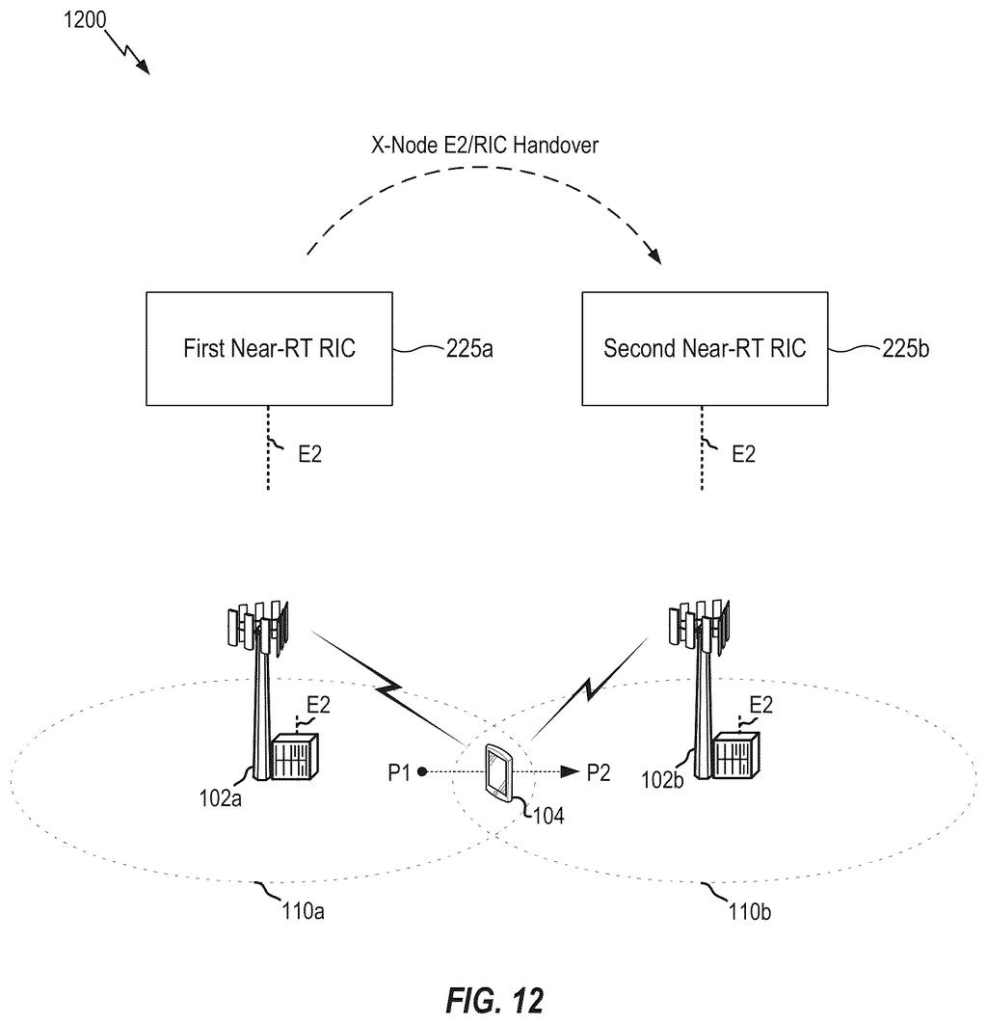
What Qualcomm's cross-tower AI session handoff actually does
Imagine a customer service rep who's been studying your account history finally gets you on the phone, then the call gets transferred to someone who has none of that context. That's roughly what happens today when your phone switches cell towers mid-session: any AI work the network was doing to optimize your connection can vanish.
Modern 5G networks increasingly use AI to fine-tune how signals are sent between towers and your phone, a process that can involve multiple towers working together. When you're in a car or on a train, your phone constantly hands off from tower to tower, and that collaborative AI session gets disrupted.
Qualcomm's patent describes a coordination method where the new tower handling your phone acts as a relay, keeping the AI session between your device and the original tower alive while the handoff is sorted out. Nothing resets, and the network doesn't have to start the optimization process from scratch.
How the relay node keeps the AI session intact mid-handover
The patent targets what the industry calls a cross-node machine learning session, meaning an AI process that runs jointly across your phone (the UE, or user equipment) and more than one cell tower (network entities). These sessions let the network continuously learn the best way to beam signals to your specific device in your specific environment.
The core problem: when your phone moves and needs to hand off to a new tower, that collaborative AI session between your phone and the old tower is at risk of being dropped entirely.
Qualcomm's proposed solution introduces a coordination sequence:
- The new tower (the target) receives a heads-up that a handover is coming.
- It simultaneously gets the cross-node ML session information from the source tower, essentially a snapshot of the AI work already done.
- It acknowledges the handover while acting as a relay, passing traffic between your phone and the original tower so the AI session keeps running uninterrupted.
The key insight is that the new tower doesn't need to immediately take over the AI work itself. It just needs to keep the existing session breathing while the transition completes.
What this means for AI-optimized 5G connections on the move
For everyday users, the practical payoff would be more consistent data speeds and signal quality during movement. AI-driven beamforming and interference management (where towers precisely aim signals at your phone) are only useful if they can survive the constant tower-hopping that happens on any commute. A session that resets at every handover wastes the AI's learning entirely.
For Qualcomm, this patent sits squarely in its core modem business. As 5G standards evolve to include more AI-native features, carriers and phone makers will need chips and firmware that handle this kind of session continuity. Qualcomm filing in this area signals it wants to define how that works at the standards level, not just in its own products.
This is a classic Qualcomm move: file a patent on the coordination protocol that everyone will eventually need, well before it becomes a mandatory part of the 5G standard. The underlying problem is real and unsolved in current deployments, but whether this specific relay approach makes it into 3GPP specifications is the only question that actually determines its impact.
There are more where this came from
We read every patent application Big Tech publishes and send you the ones worth knowing. Plain English, free, every week.
The drawings
39 drawing sheets from US 2026/0214516 A1 · click any drawing to enlarge


Want this weekly breakdown for a company we don't cover? Patentlyze Pro →
Be the first to weigh in