
Samsung Patents Software That Keeps Battery Life Estimates Accurate Despite Missing Data
Battery health readings on your phone are only as good as the data behind them. Samsung is patenting a system that can estimate missing pieces of that data on its own, rather than waiting until conditions are perfect to update.
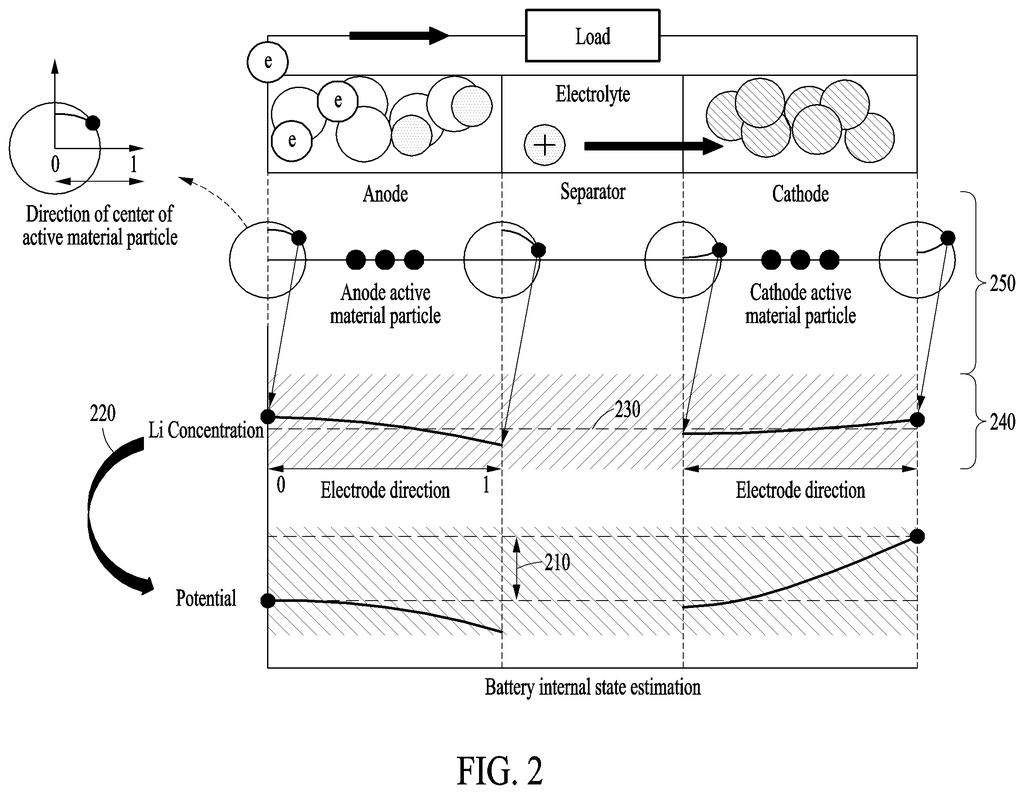
How Samsung's battery estimator handles missing data
Imagine your phone trying to figure out how worn down its battery is, but some of the measurements it needs haven't been taken yet. Most systems just skip those measurements and wait, which means your battery health reading can fall out of date.
Samsung's approach works differently. When certain battery measurements aren't available, the system makes an educated guess about those missing values based on the measurements it does have. It then estimates your battery's current health using that combination of real and inferred numbers, refines those inferred numbers based on the result, and recalculates.
The end goal is a battery health estimate that stays current and accurate even when the phone can't capture every piece of data it ideally would. You'd still see a battery percentage and health indicator, but the number behind it would be better-informed than before.
store an updated parameter value of at least one target parameter selected from among a plurality of degradation parameters based on monitoring of the battery; determine parameter values of the other parameters based on the updated parameter value of the at least one target parameter …
Translation: The system saves new data for one battery health factor and calculates the missing values for all the other factors based on it.
Inside the degradation-parameter update loop
The patent describes a battery monitoring system built around a concept called degradation parameters (measurements that track how a battery wears down over time, such as internal resistance or capacity fade). In practice, some of these parameters can only be measured under specific conditions, like a full charge cycle, which don't always happen on demand.
The system selects at least one parameter it can currently measure (the "target parameter") and uses it as an anchor. It then calculates estimated values for all the other parameters it can't directly measure right now, using a battery state estimation model (a mathematical model trained to understand how these parameters relate to each other).
With that full set of values (one real, the rest inferred), it runs a battery state estimate. Then it takes the output of that estimate and uses it to update the inferred values, before running a final, refined calculation:
- Measure what's available now
- Infer the rest from those measurements
- Estimate battery state using all values
- Refine the inferred values using that estimate
- Produce a final updated battery state reading
This iterative loop is the core of the invention.
… updates a degradation parameter that does not satisfy an update condition in addition to a degradation parameter capable of being updated at an estimation time point …
Translation: The software fills in missing health data for battery metrics that could not be directly measured at the current moment.
What this means for battery life accuracy on Galaxy devices
For consumers, the practical benefit is a more honest battery health indicator. Today, battery health percentages can lag or be rough approximations because the underlying measurements are incomplete. A system like this could produce readings that track real degradation more closely over time, which matters when you're deciding whether to replace a battery or a device.
For Samsung, this kind of on-device accuracy is also relevant to the Galaxy AI and power-management features the company has been expanding across its phone and tablet lineup. More accurate battery state data feeds into smarter power decisions, and it reduces the risk of sudden shutdowns that happen when a device misjudges how much charge it actually has left.
This is solid, practical engineering work rather than a flashy concept. Battery health estimation has been a known weak point across smartphones for years, and the iterative gap-filling approach here is a sensible solution. It's not going to make headlines at a product launch, but the kind of accuracy improvement it targets would be genuinely useful to anyone who has ever watched their phone die at 20 percent.
There are more where this came from
We read every patent application Big Tech publishes and send you the ones worth knowing. Plain English, free, every week.
The drawings
18 drawing sheets from US 2026/0227456 A1 · click any drawing to enlarge


Want this weekly breakdown for a company we don't cover? Patentlyze Pro →
Be the first to weigh in