
Samsung Patents Audio Cleanup That Evens Out Sound From Narrow Speaker Grilles Across a Room
Slot speakers, the thin audio grilles crammed into the edges of phones and tablets, have a well-known problem: they sound great in one spot and noticeably worse everywhere else. Samsung is patenting a method to fix that by optimizing audio correction for multiple listening positions at once.
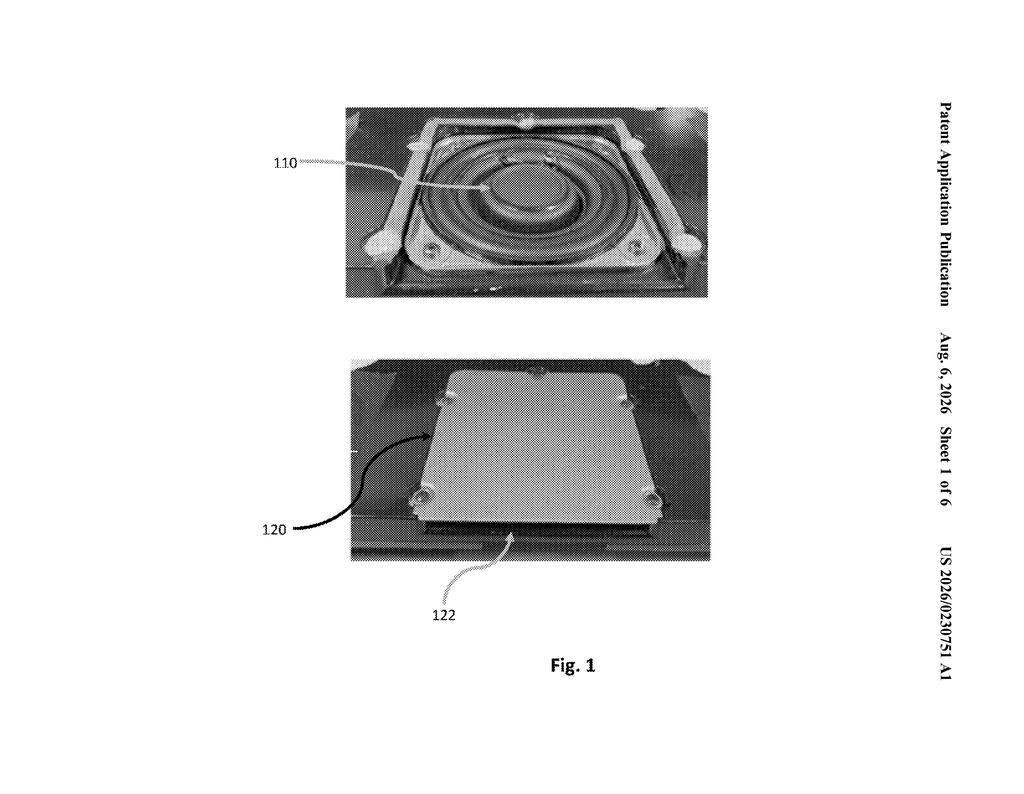
What Samsung's slot speaker equalization actually does
Imagine you're watching a video on a Samsung tablet propped up on a table. The audio sounds decent if you're sitting directly in front of it, but the moment your friend leans over from the side, the sound gets muddy or harsh. That's a fundamental limitation of slot speakers, the razor-thin audio openings built into the frames of modern devices.
Samsung's patent describes a process that measures how sound actually arrives at several different spots around a device, then builds a single audio filter that makes the sound better at all of those positions simultaneously. The key insight is that the system doesn't just try to make the audio more accurate; it also counts how many listening spots benefit from reduced audio artifacts (unwanted ringing or distortion) and factors that into the correction.
The result is a filter that strikes a practical balance: it improves sound quality for the most people in the most positions, rather than perfectly optimizing for one listener and ignoring everyone else.
… determining a multi-position equalization filter for the slot speaker by optimizing an equalization filter metric …
Translation: The system calculates a custom sound filter to balance audio output across multiple spots in the room.
How the filter balances sound across multiple positions
The patent describes a two-part optimization process for tuning a slot speaker's equalization filter, which is the software layer that adjusts audio frequencies before they reach the speaker hardware.
First, the system plays audio through a slot speaker and measures the resulting sound signal at several different physical positions around the device. Each position captures a slightly different version of the audio because of how sound waves interact with surfaces and travel through space.
From those measurements, the patent's method builds a multi-position equalization filter by minimizing a combined metric that weighs two things:
- How closely the filtered (corrected) audio matches a target response at each position compared to the raw, uncorrected audio.
- How many positions actually show fewer artifacts (unwanted sonic distortions like ringing or pre-echo, called transient artifacts) after the filter is applied versus before.
The second component is important. A naive equalization approach might reduce distortion at one position while accidentally making it worse at another. By explicitly counting the positions that benefit, the optimization steers toward filters that are broadly useful rather than locally perfect. The patent calls this a transient-filter equalized response metric, meaning the filter is specifically tuned to suppress time-domain artifacts, not just frequency imbalances.
… the number of positions at which the transient-filter equalized response has less artifact energy than the unequalized response …
Translation: It measures how many locations benefit from cleaner sound without distortion.
What this means for thin-device audio quality
Slot speakers are everywhere in Samsung's product lineup, from Galaxy phones and tablets to foldables where speaker space is extremely tight. Audio quality in thin devices is largely a software problem at this point because there is simply no room to improve the physical hardware further. A better equalization algorithm that works across multiple listening positions would be a genuine quality-of-life improvement for shared viewing or listening situations.
For Samsung's Galaxy Tab and foldable lines in particular, this kind of multi-position audio correction could meaningfully close the gap with dedicated Bluetooth speakers in casual use. It also signals that Samsung is investing in spatial audio software as a differentiator, which puts pressure on competitors like Apple and Google to match the capability on their own thin-device hardware.
This is a focused, practical audio engineering patent with a clear application in Samsung's existing hardware lineup. It's not a splashy AI audio feature, but the multi-position optimization approach is a sensible engineering solution to a real and annoying problem. Worth tracking if you follow Samsung's mobile audio strategy.
There are more where this came from
We read every patent application Big Tech publishes and send you the ones worth knowing. Plain English, free, every week.
The drawings
6 drawing sheets from US 2026/0230751 A1 · click any drawing to enlarge


Want this weekly breakdown for a company we don't cover? Patentlyze Pro →
Be the first to weigh in