
Samsung Patents Screenshots That Automatically Remove the Voice Assistant Overlay
Ever asked your phone's voice assistant to take a screenshot, only to find the assistant's own popup is plastered right over the thing you wanted to capture? Samsung has a patent for a fix.
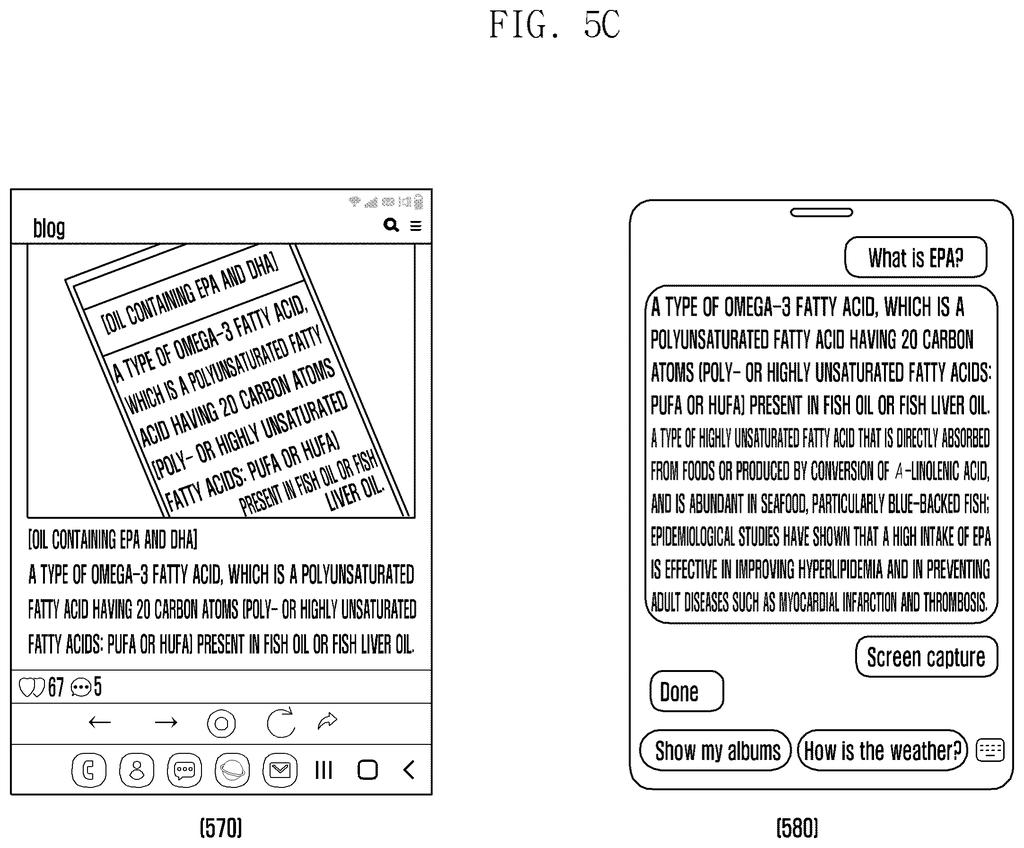
What Samsung's clean-screenshot feature actually does
Imagine you're looking at a map, a recipe, or a ticket confirmation on your phone, and you ask Bixby to take a screenshot for you. The problem is that when Bixby responds, it opens a window that sits right on top of your screen. The screenshot you get back includes that Bixby panel blocking part of the image you actually wanted.
Samsung's patent describes a system that knows the difference between the voice assistant window and the app you were using. When it saves the screenshot, it grabs the image of your original app as it looked before the assistant appeared, even though the assistant window is still visible on your screen at that moment.
The result is a clean, unobstructed screenshot of whatever you were doing, saved automatically without any extra steps from you. It's a small quality-of-life fix, but one that removes a genuinely annoying limitation of hands-free screenshot commands.
How Samsung strips the overlay before saving the image
The patent describes a layered display system where the phone is simultaneously managing two visual layers: the app you have open (called the "first execution screen") and the voice assistant panel sitting on top of it (the "second execution screen").
When you issue a voice command to take a screenshot, the device does not simply photograph what is visually on the display at that moment. Instead, it:
- Identifies the underlying app screen independently of the overlay
- Reconstructs or retrieves the full, unobscured image of that app screen
- Saves that clean version to the device's storage, without the voice assistant panel included
The key technical point is timing: the capture happens while the assistant window is still displayed, not after it closes. The phone is essentially keeping track of what is beneath the overlay and saving that version instead of the composite visual the user currently sees.
This approach avoids the workaround of waiting for the assistant to dismiss itself before taking the screenshot, which would add delay and require additional processing steps.
What this means for Bixby and Galaxy screenshot quality
For Galaxy phone users, this directly improves the quality of Bixby voice screenshots. Right now, the practical workaround is to either avoid using voice commands for screenshots entirely or to crop the assistant panel out afterward. Neither is great. A phone that can cleanly separate what you asked to capture from the tool you used to ask is a better everyday experience.
More broadly, this patent signals that Samsung is paying attention to the rough edges in how voice assistants interact with the rest of the operating system. As on-screen AI assistants become more common and more likely to appear as overlays on top of other apps, getting the screenshot behavior right becomes a real usability question, not just a minor bug.
This is a small, practical fix for a specific annoyance, and Samsung deserves credit for patenting the solution rather than ignoring it. It won't make headlines on its own, but the kind of polish it represents is exactly what separates a voice assistant that feels integrated from one that feels bolted on.
There are more where this came from
We read every patent application Big Tech publishes and send you the ones worth knowing. Plain English, free, every week.
The drawings
24 drawing sheets from US 2026/0211615 A1 · click any drawing to enlarge


Want this weekly breakdown for a company we don't cover? Patentlyze Pro →
Be the first to weigh in