
Samsung Patents a More Efficient Way to Count Light in Single-Photon Camera Sensors
Samsung is patenting a new way to tally incoming light at the single-photon level — one digit at a time — which could make high-speed, low-light image sensors faster and less power-hungry to build.
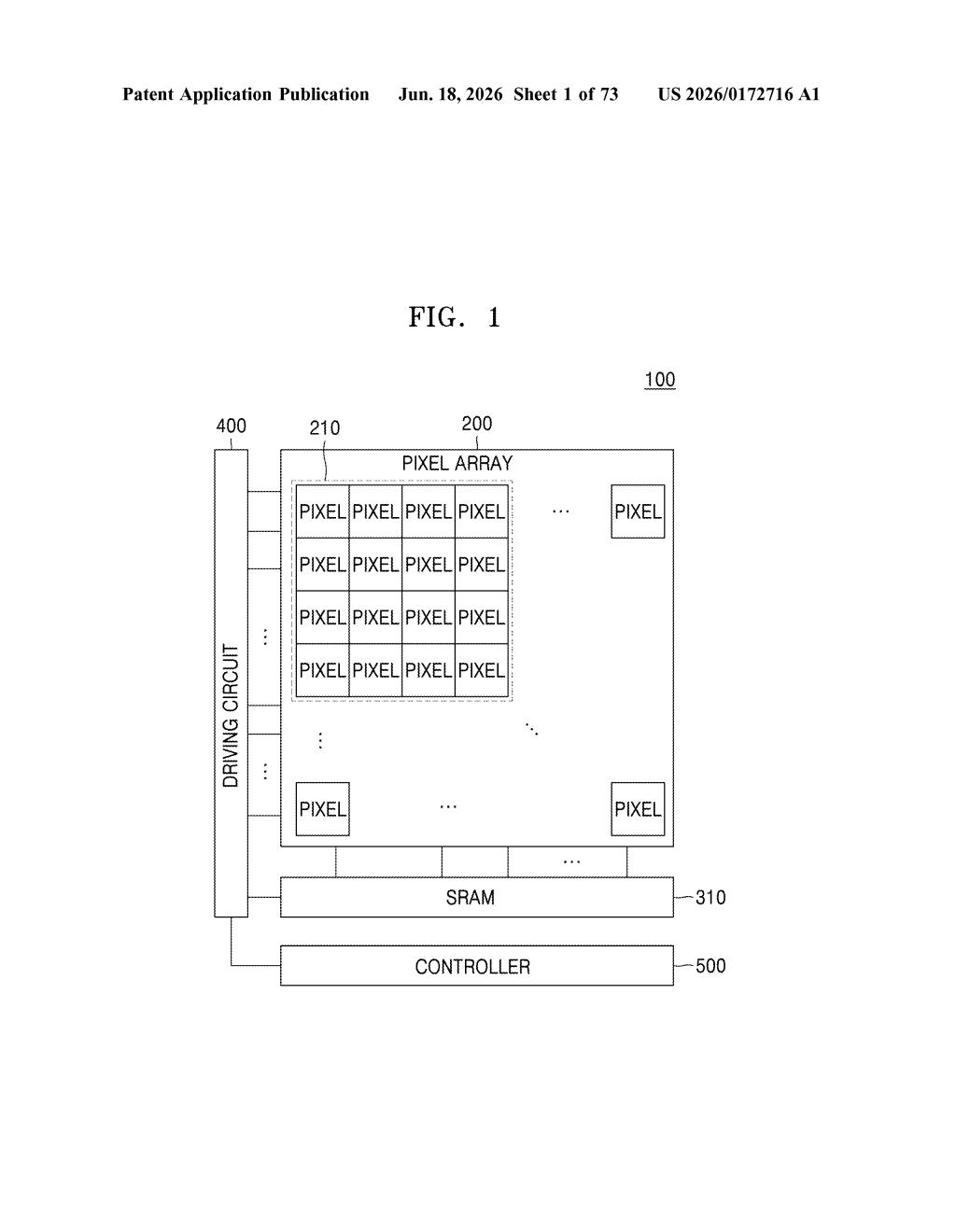
What Samsung's photon-counting camera circuit actually does
Imagine a camera so sensitive it can detect a single particle of light. Sensors built around that idea — called single-photon avalanche diodes, or SPADs — are already used in things like face-unlock systems and LiDAR range finders. The tricky part is keeping score: every time a photon hits, a counter has to tick up, and doing that millions of times per second across thousands of pixels takes a lot of circuitry.
Samsung's patent describes a new way to run those counters. Instead of processing a whole number at once, the circuit works through it one digit at a time, carrying over values as it goes — much like how you do long addition by hand, column by column. The result gets written into memory in the same step-by-step order.
The goal is to make the counting hardware simpler and more efficient without sacrificing accuracy. That matters most in sensors where speed and power use are tightly constrained — think phone cameras, autonomous-vehicle sensors, and medical imaging equipment.
How the carry-addition circuit writes photon counts digit by digit
The patent describes a solid-state imaging device built around SPADs (single-photon avalanche diodes) — sensors that fire an electrical pulse every time a single photon of light hits them. To make an image, the chip has to count how many photons arrive at each pixel over a given time window.
The innovation lives in the counter data generation circuit. Normally, a digital counter updates all of its bits (the 1s and 0s that represent a number) at once. Samsung's circuit instead performs carry addition sequentially, digit by digit — meaning it processes the lowest-value bit first, carries any overflow to the next position, then moves up the number one place at a time. Think of it like an old mechanical odometer rolling digits one wheel at a time rather than snapping all the wheels simultaneously.
At the same time, the recording processing step writes each partial result into the pixel's memory counter in that same digit-by-digit order, rather than waiting for the full number to be ready.
- SPAD array: detects individual photons across thousands of pixels
- Counter data generation circuits: one per SPAD, perform the sequential carry addition
- Memory unit: stores a running photon count for each pixel, updated incrementally
What this means for low-light and LiDAR imaging hardware
SPAD-based sensors are increasingly common in smartphone depth cameras, automotive LiDAR, and scientific imaging. As these sensors scale up in resolution, the counting circuitry that sits behind each pixel becomes one of the biggest design bottlenecks — it consumes chip area and power.
By breaking the addition into smaller sequential steps, Samsung's approach could let engineers build denser, lower-power counter arrays without changing the underlying sensor physics. That's not a flashy user-facing feature, but it's the kind of circuit-level efficiency gain that eventually shows up as better low-light performance or longer battery life in the devices you actually use.
This is deep semiconductor plumbing — the kind of patent that never makes a press release but quietly shapes what's physically possible inside a chip. If Samsung's sequential carry-addition approach genuinely reduces circuit complexity at scale, it's a real engineering win for SPAD sensor design. Don't expect to see 'Samsung Carry Adder' on a spec sheet, but the payoff could show up in thinner, more power-efficient depth sensors down the line.
There are more where this came from
We read every patent application Big Tech publishes and send you the ones worth knowing. Plain English, free, every week.
Want this weekly breakdown for a company we don't cover? Patentlyze Pro →