
IBM Patents a Method to Teach AI Shorter Instructions for Searching Databases
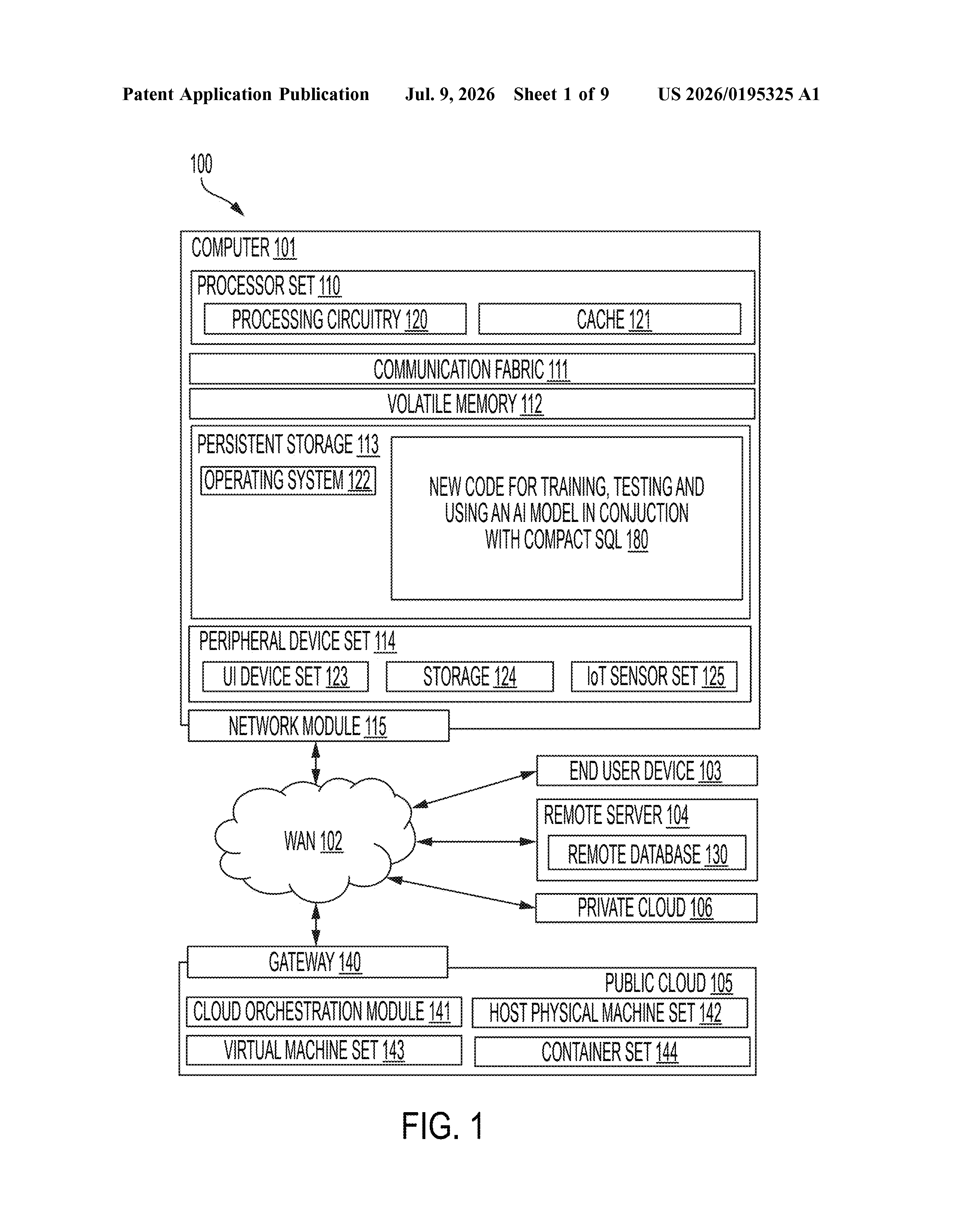
Typing a question into a business database and getting a real answer sounds simple, but teaching an AI to translate plain English into precise database commands is notoriously error-prone. IBM's new patent takes a fresh angle: shrink the command language first, then let the AI work with the smaller target.
How IBM's AI translates plain English into database lookups
Imagine asking your company's internal database, "Which sales reps hit their targets last quarter?" in plain English. Behind the scenes, something has to turn that casual question into a precise, formal instruction the database will actually understand. That formal instruction is called a SQL query, and writing correct ones is a job that normally requires a trained developer.
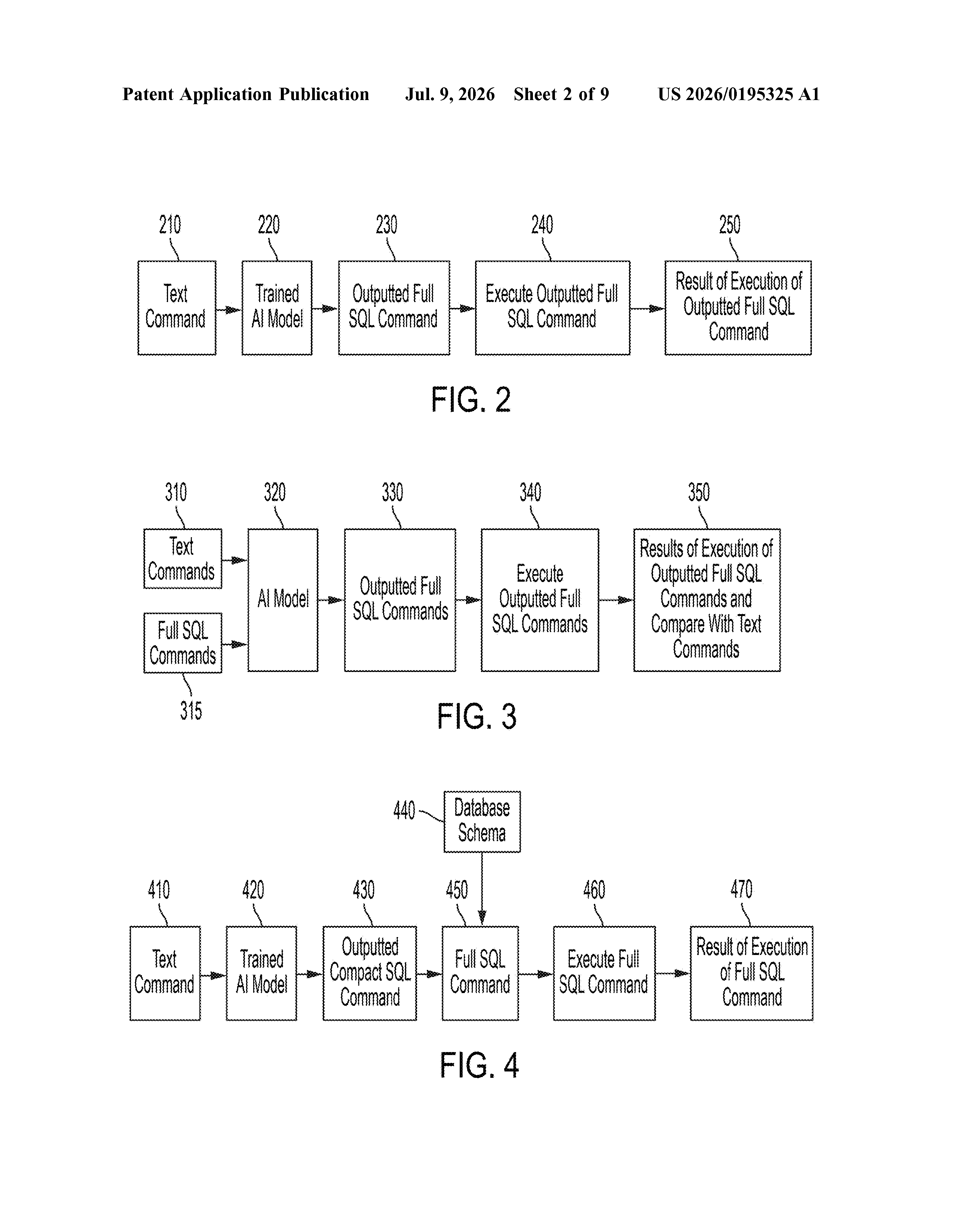
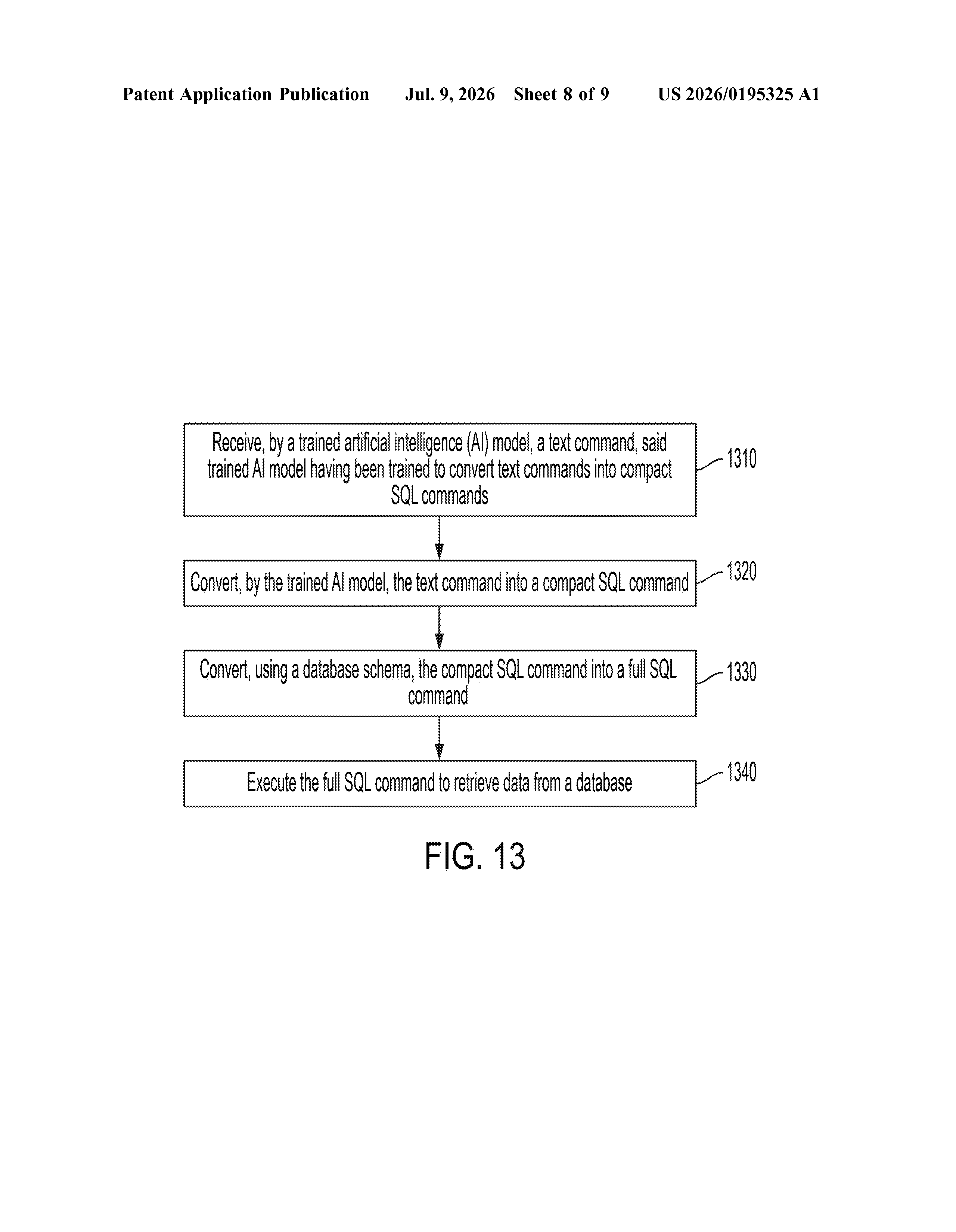
IBM's patent describes a way to train an AI to do that translation automatically. The trick is that, before training, IBM first converts those long, formal database instructions into a much shorter "compact" version. The AI learns to produce the compact version, and a separate converter step expands it back into the full instruction before sending it to the database.
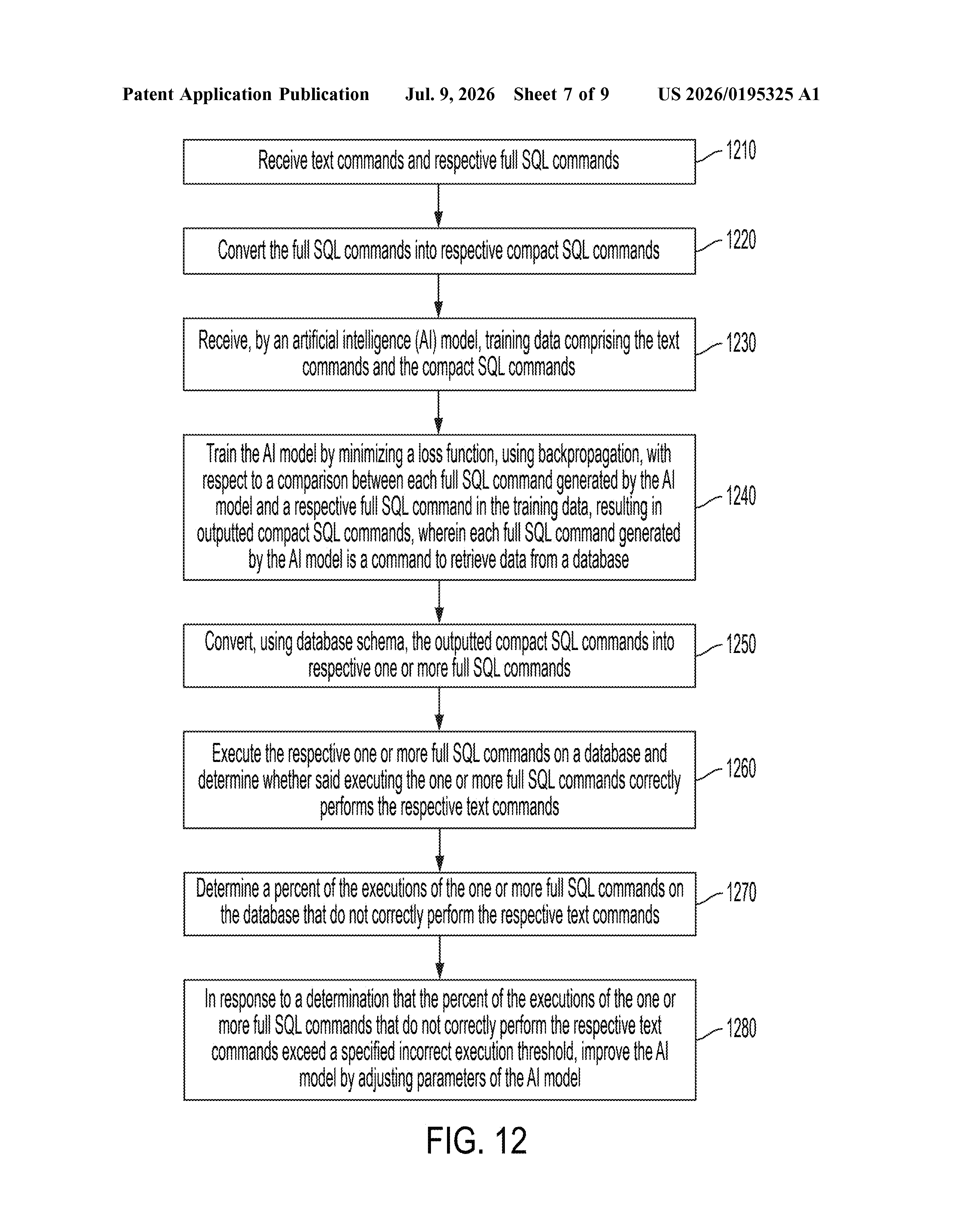
The idea is that a shorter target is easier for the AI to predict accurately, which should reduce the kinds of mistakes that make AI-powered database tools frustrating to use. IBM then tests the AI against real database results and adjusts it until the answers come out right.
How compact SQL cuts the AI's translation workload
The patent describes a training pipeline with three main phases:
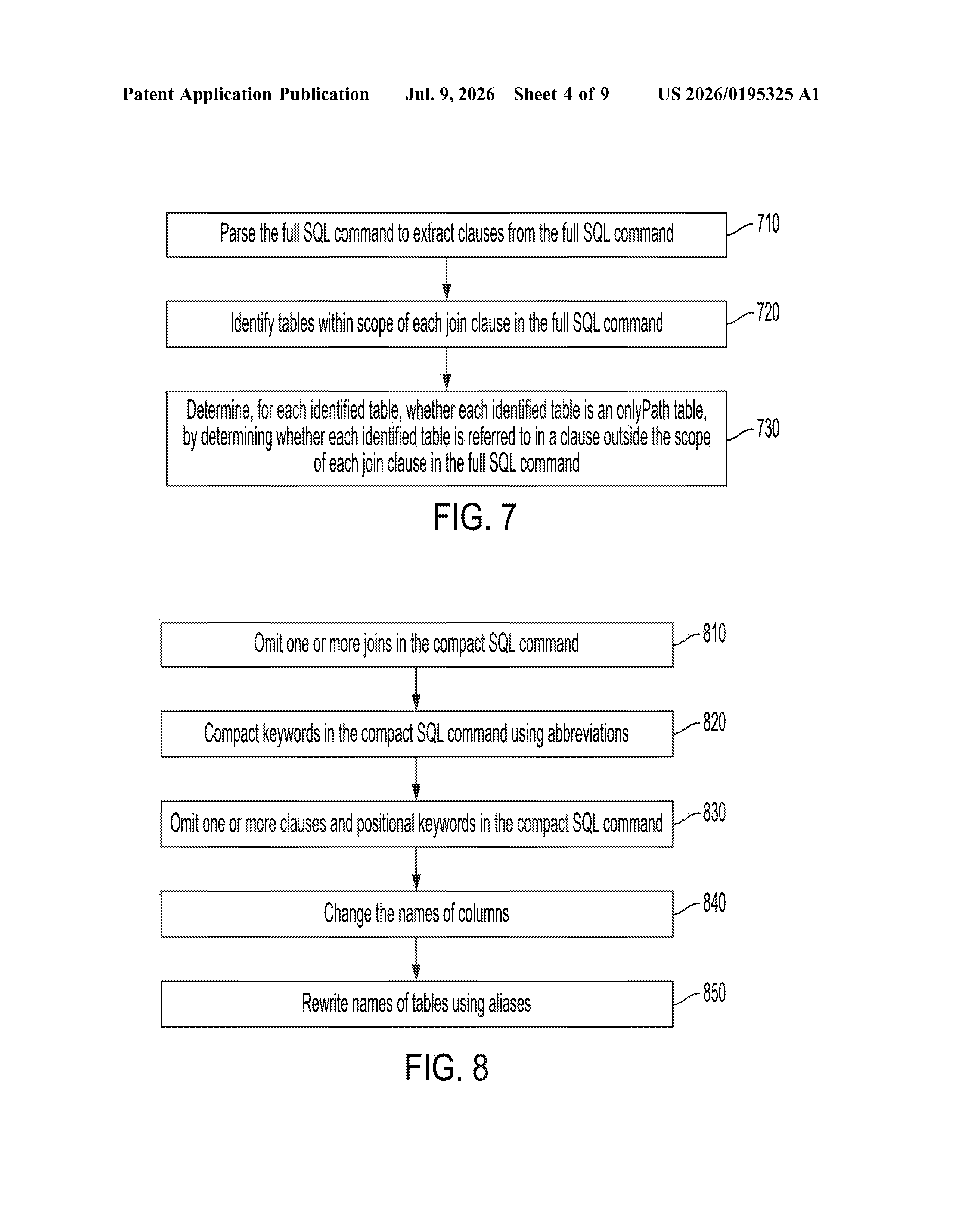
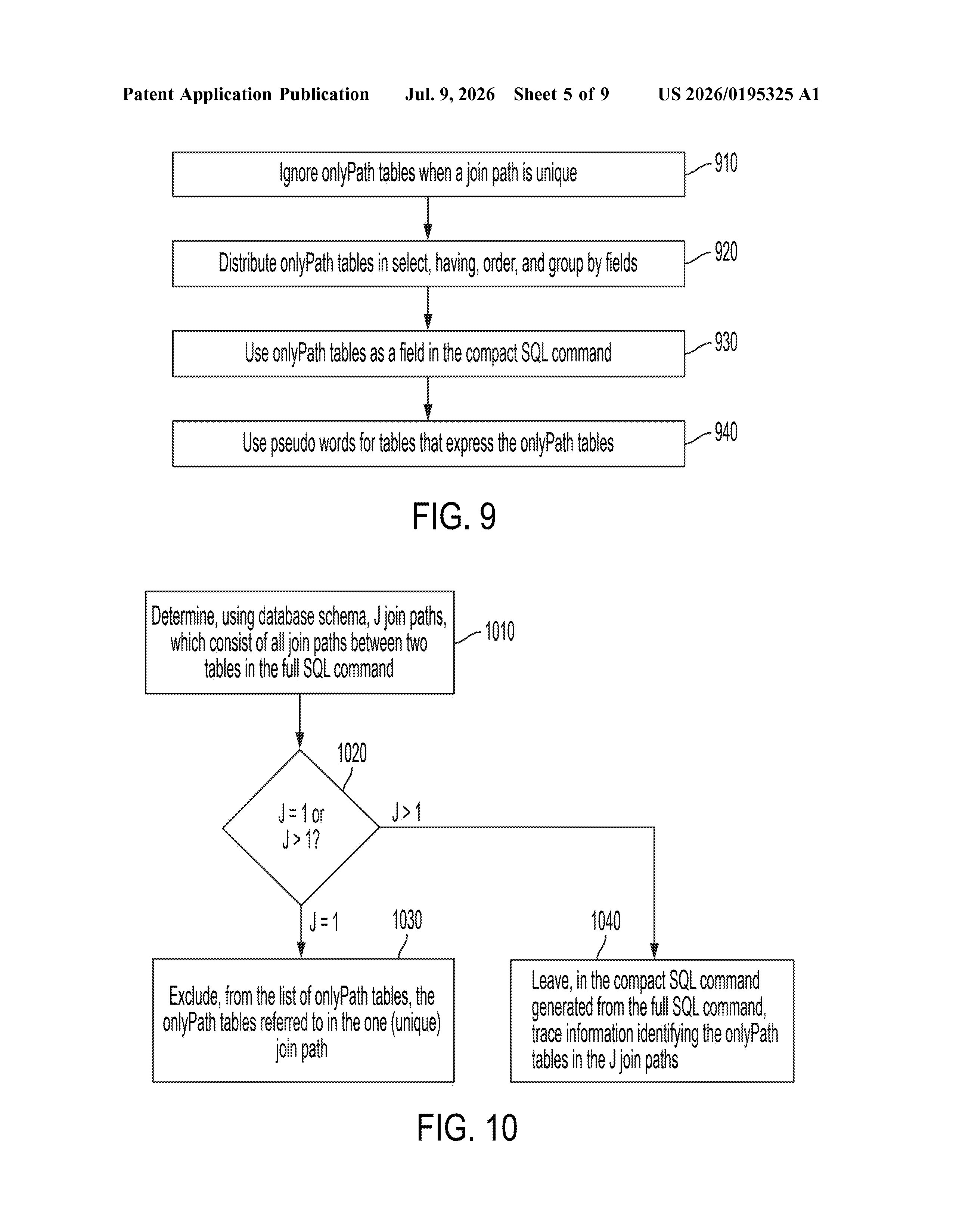
- Compression: Standard SQL commands (the formal, verbose instructions databases expect) are converted into "compact SQL," a stripped-down version that carries the same meaning in fewer tokens (think of tokens as the individual words and symbols the AI reads).
- Training: The AI model receives pairs of plain-text questions and their compact SQL equivalents as training data. It learns to predict compact SQL from English. The model's accuracy is measured by comparing the full SQL it would produce against the correct full SQL in the training set, using a standard optimization technique called backpropagation (an algorithm that nudges the model's internal settings in the direction of fewer errors).
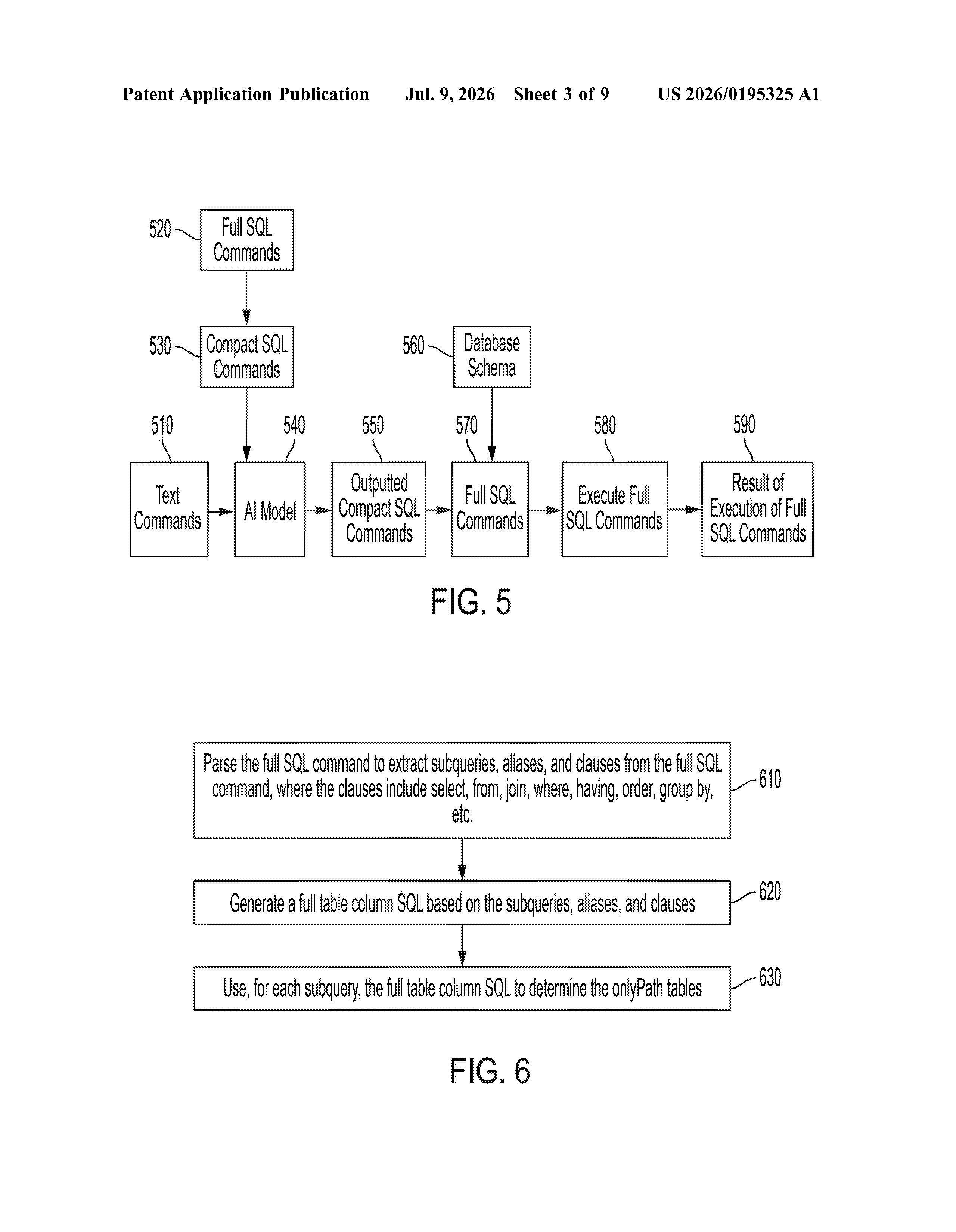
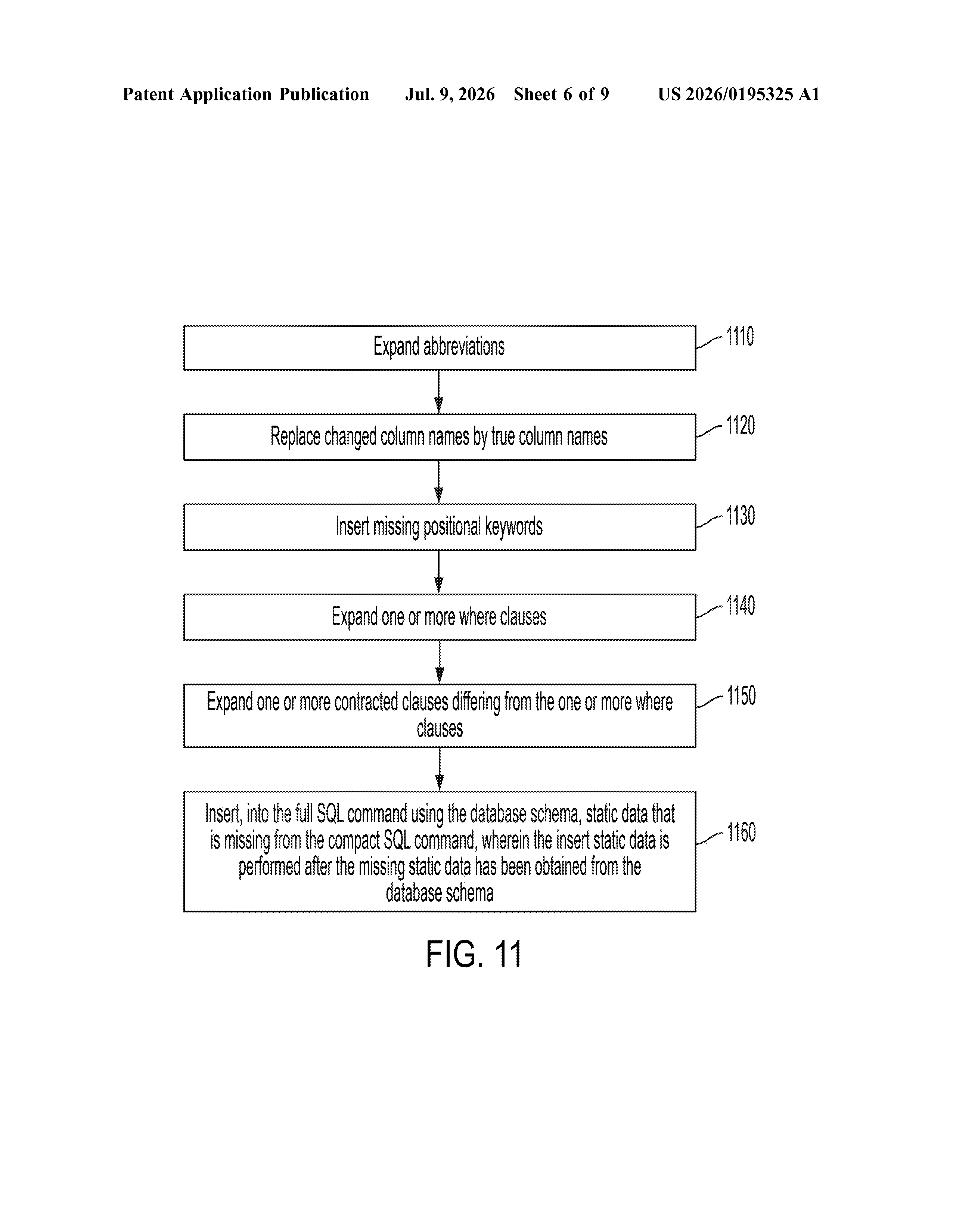
- Deployment: When a real user types a question, the trained AI produces a compact SQL command, a rules-based converter expands it into a full SQL command, and that command runs against the actual database to fetch results.
The central bet is that predicting shorter outputs is a simpler task for a language model, meaning the same model architecture can achieve higher accuracy when the target language is compact rather than verbose. The expansion step from compact to full SQL is deterministic (rule-based, not AI-driven), which keeps that step reliable.
What this means for enterprise AI and natural-language data tools
For anyone who has tried to get useful answers out of a corporate database without knowing SQL, tools like this are the whole ballgame. IBM's approach, if it delivers on the accuracy claim, could make natural-language database querying more reliable in enterprise settings where a wrong query can surface wrong data and lead to bad decisions.
The compression-then-expand design is also practically significant: it means the AI's job is scoped and predictable, while the expansion to full SQL is handled by a converter that doesn't hallucinate. That separation of concerns is a sensible architectural choice for high-stakes data environments where correctness matters more than creativity.
This is a focused, workmanlike patent in a crowded area: text-to-SQL has been an active research problem for years, and many companies are racing to solve it. IBM's compact-SQL angle is a legitimate idea worth watching, but the patent's value will depend entirely on whether the compression actually improves accuracy in practice, something the filing doesn't prove, only proposes.
Get our take in your Top Stories
Liked this breakdown? Add Patentlyze as a preferred source on Google, and our plain-English take shows up more often in your Top Stories the next time IBM patent news breaks.
There are more where this came from
We read every patent application Big Tech publishes and send you the ones worth knowing. Plain English, free, every week.
The drawings
9 drawing sheets from US 2026/0195325 A1 · click any drawing to enlarge
Want this weekly breakdown for a company we don't cover? Patentlyze Pro →