
IBM Patents an AI Training System That Keeps Drilling on Its Own Mistakes
IBM wants to build AI systems that never stop practicing the problems they got wrong, stacking a chain of specialized models until the hardest cases are covered.

How IBM's mistake-focused AI training loop works
Imagine a student who takes a practice exam, circles every question they got wrong, and then spends all their study time on just those questions before taking the test again. IBM's patent describes an AI training system that works the same way.
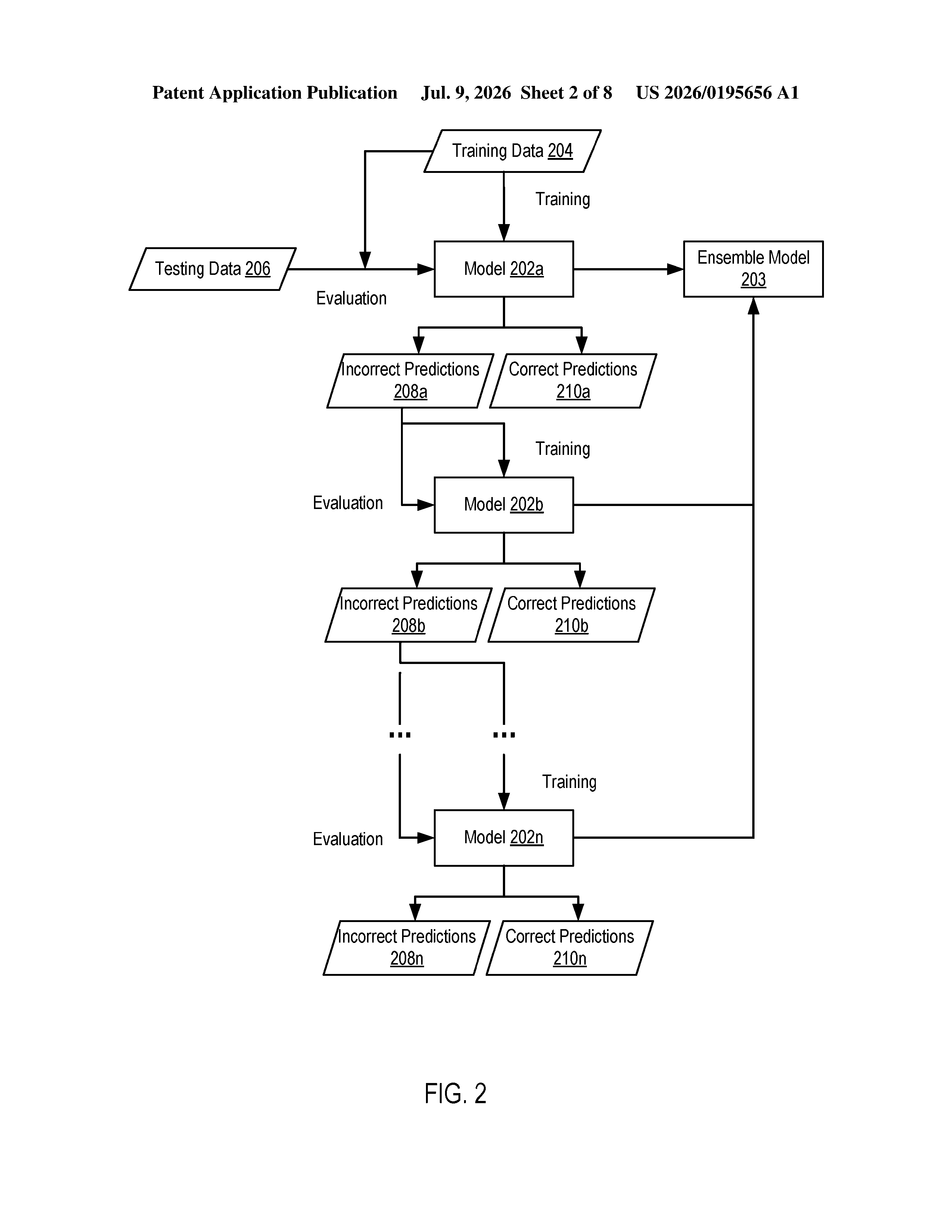
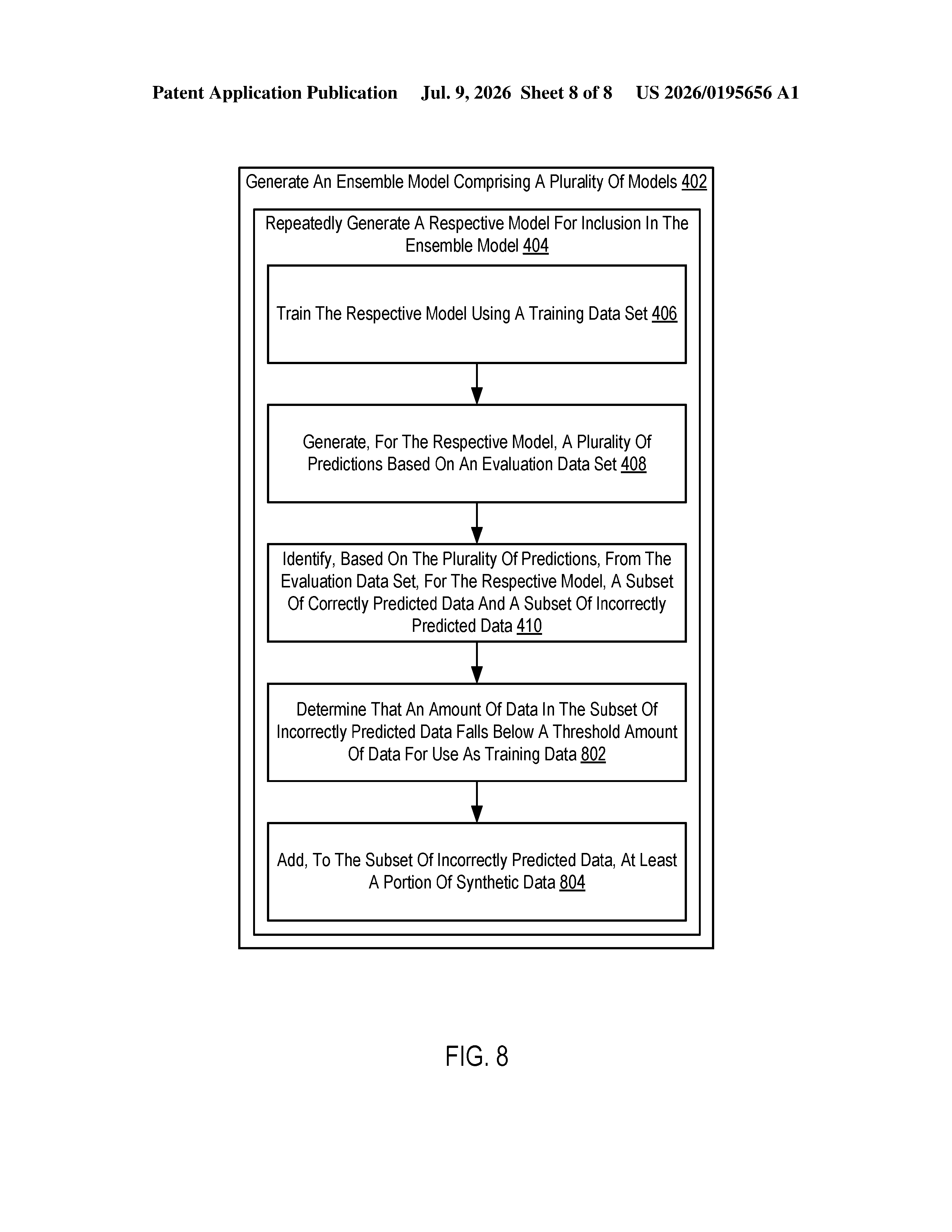
The system builds what's called an ensemble model, which is really just a team of individual AI models working together. The first model trains on a standard set of data. Then, instead of training the next model on everything, the system feeds it only the examples the previous model got wrong. Each new model in the chain specializes in the failures of the one before it.
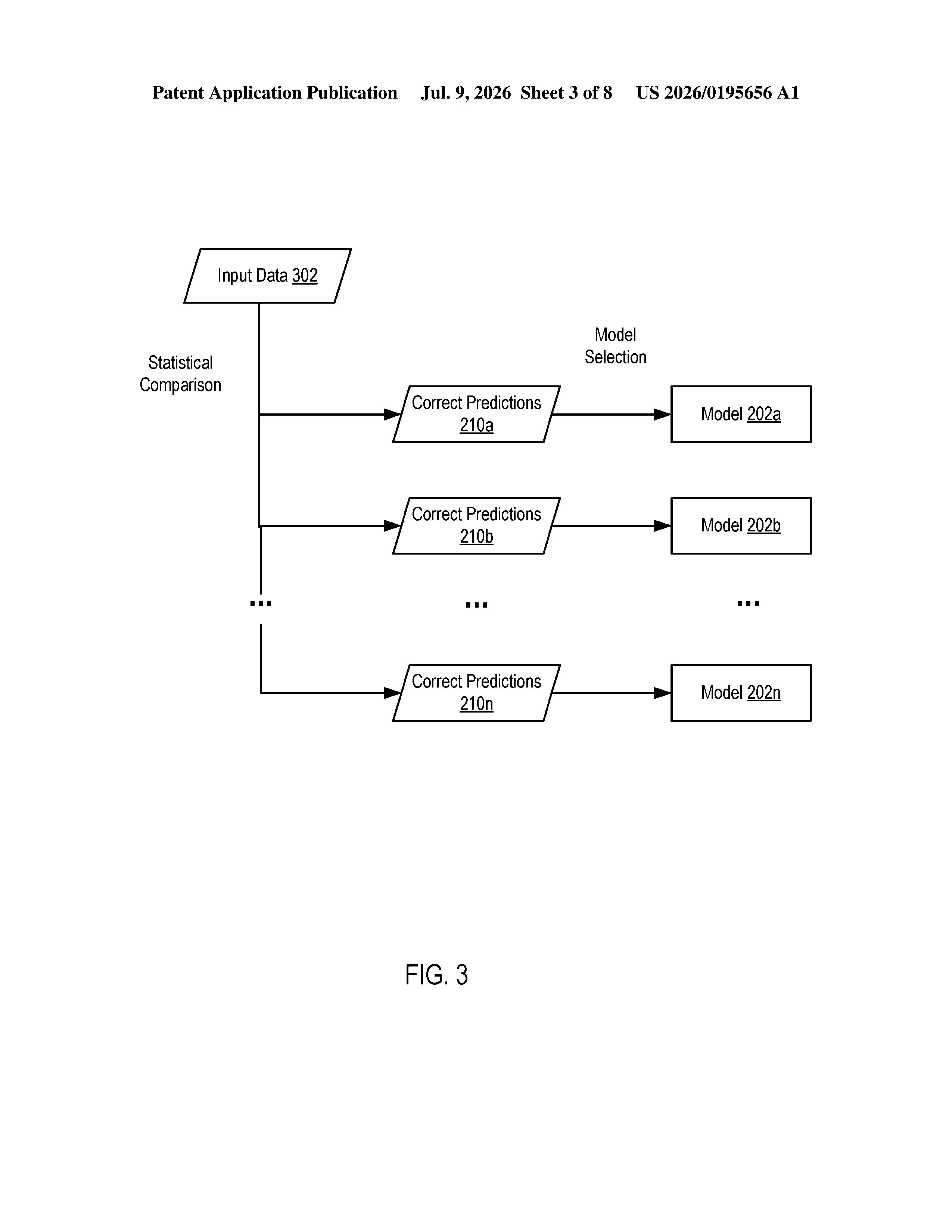
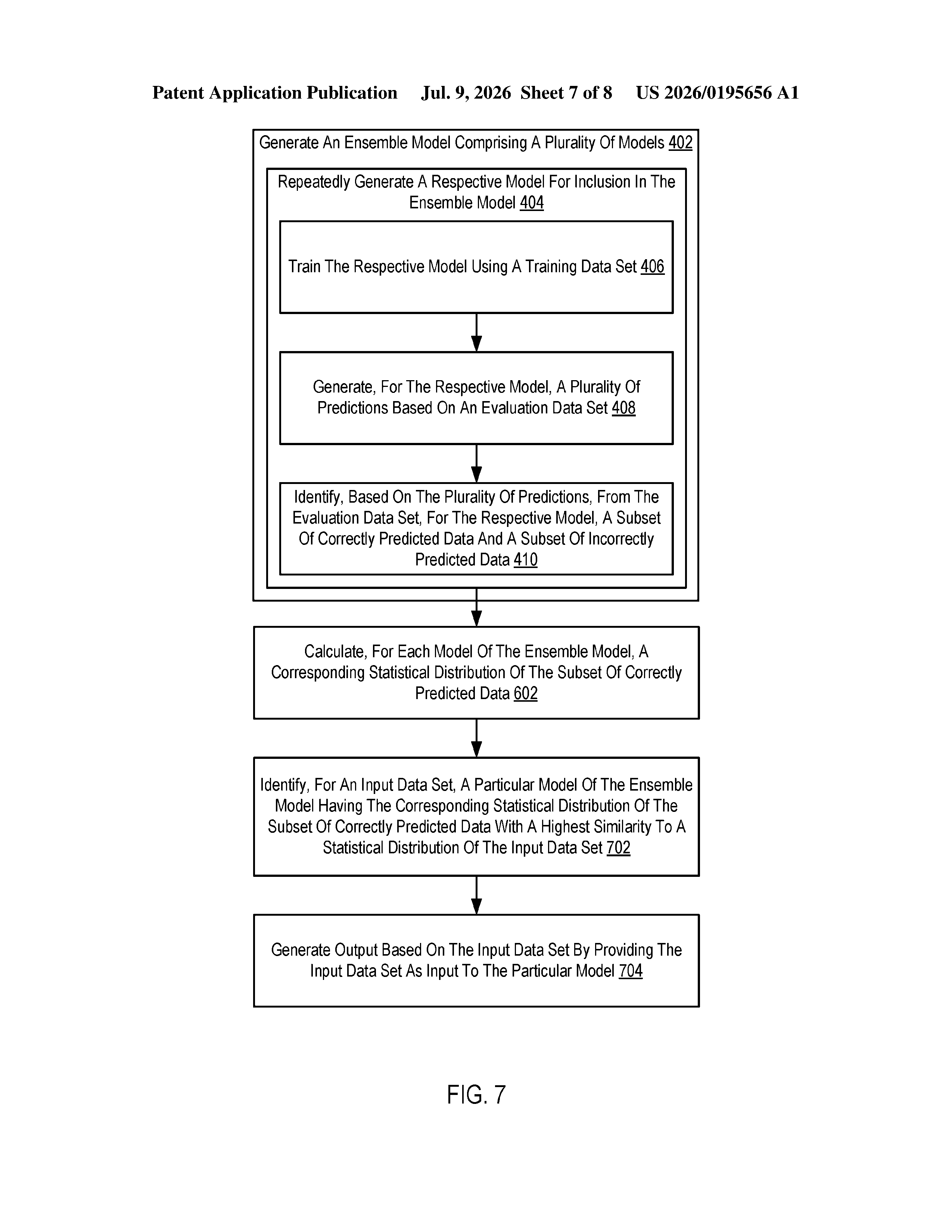
The result is a group of AI models where each member covers the blind spots of the last. When you ask the combined team a question, you get a more reliable answer than any single model could give on its own.
How each model hands off its failures to the next
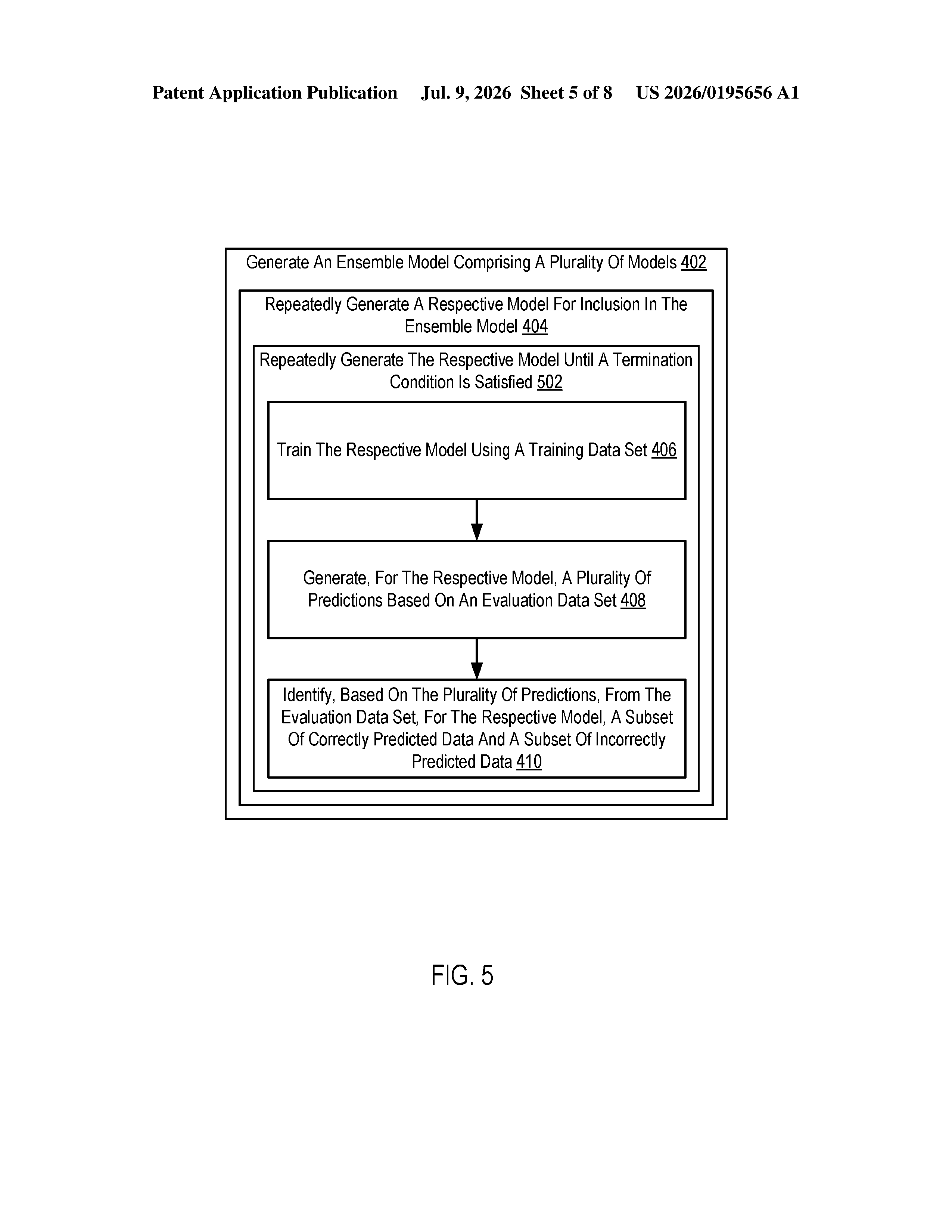
The patent describes a computer-implemented method for building an ensemble model (a collection of AI models that vote together on an answer) using an iterative, mistake-driven training process.
Here's how the loop works:
- The first model trains on an initial dataset and is then evaluated against both that training data and a separate test set.
- The system records which examples the first model predicted correctly and which it got wrong.
- The next model is trained exclusively on the incorrectly predicted examples from the previous model, and its own evaluation set is also drawn from those same failures.
- This continues, with each new model inheriting the unsolved problems of its predecessor.
The core idea is that standard training spreads attention evenly across all data, even the easy cases a model already handles well. By isolating hard cases and training fresh models on them, IBM's approach forces the ensemble to build real coverage across difficult edge cases rather than just reinforcing what it already knows.
What this means for IBM's enterprise AI accuracy push
For enterprise customers using IBM's AI tools, accuracy on rare or unusual inputs is often the exact problem that breaks real-world deployments. A fraud detection model that handles 95% of transactions perfectly but fails on unusual patterns is still a liability. This approach directly targets that gap by dedicating model capacity to the hard cases.
The method is also notable for its simplicity relative to other ensemble techniques. There's no complex reweighting of training samples or architectural changes required. The selection logic is straightforward: train on what failed, build a new model, repeat. That kind of simplicity tends to translate well into production pipelines, which is where IBM's enterprise clients actually operate.
This is a tidy engineering patent rather than a conceptual breakthrough. The mistake-chaining idea is a clean, practical spin on classic boosting techniques, and IBM is clearly trying to lock in IP around a specific implementation pattern. It's worth watching if you follow IBM's AI infrastructure business, but it won't set the research world on fire.
Get our take in your Top Stories
Liked this breakdown? Add Patentlyze as a preferred source on Google, and our plain-English take shows up more often in your Top Stories the next time IBM patent news breaks.
There are more where this came from
We read every patent application Big Tech publishes and send you the ones worth knowing. Plain English, free, every week.
The drawings
8 drawing sheets from US 2026/0195656 A1 · click any drawing to enlarge



Want this weekly breakdown for a company we don't cover? Patentlyze Pro →