
Sony Patents Color-Coded HMD Lights That Show When Gamers Can Be Interrupted
Ever tried talking to someone deep in a VR game, only to yank them out of a critical moment? Sony's new patent puts visual signals on the outside of a headset so bystanders — and other players — know exactly how interruptible the person wearing it is.
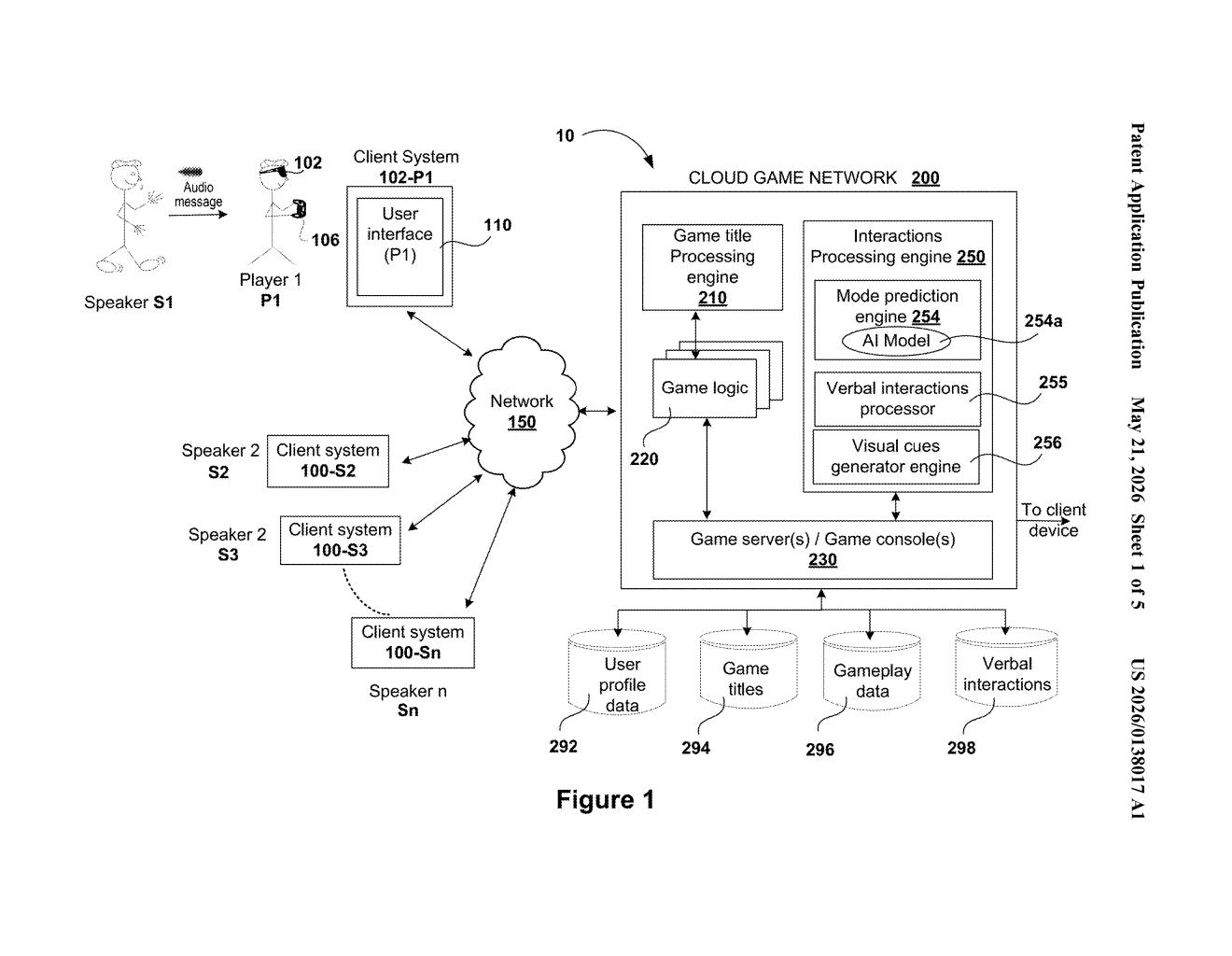
What Sony's 'do not disturb' VR headset system does
Imagine your roommate is in the middle of a VR boss fight. You want to ask them something, but you can't tell if they're in a calm menu screen or locked in a tense shootout. Sony's patent tries to solve exactly that problem.
Color-coded lights on the outside of the headset would change based on what the player is doing in-game. If they're deeply focused, you'd see a signal — think red for 'leave me alone' — and if they're in a chill moment, something friendlier. The system watches the player's actual inputs and game context in real time to decide which cue to show.
It works both ways. The player inside the headset also gets visual info about who wants to talk to them and how many people are waiting, so they can decide whether to pause and engage. Think of it as a smart 'busy light' for gaming — like the one on your office phone, but for your PlayStation VR headset.
How the server engine reads gameplay to set interruption status
At the core of this patent is an interactions processing engine running on a server. It continuously monitors the inputs a player sends to the game — button presses, movement, joystick activity — and uses that data to infer a level of involvement in gameplay. High input frequency during an intense sequence means high involvement; idle browsing of a menu means low involvement.
Based on that involvement score, the system activates color-coded visual indicators on the outer surface of the HMD (head-mounted display). These are visible to anyone physically near the player — a family member, a friend in the same room, or potentially another player in a shared space. The idea is to communicate interruptibility without the player having to say or do anything.
The player inside the headset also receives visual cues within their view — essentially a notification layer showing details about 'speakers' (Sony's term for anyone trying to initiate interaction) who want to connect. This lets the player decide whether to accept an interruption on their own terms.
Key components the patent describes include:
- A server-side engine analyzing real-time game inputs and context
- External HMD lighting that encodes availability state for bystanders
- An in-headset notification UI showing who wants to interact
- A feedback loop so the player retains control over whether to engage
What this means for shared living rooms and social VR
VR headsets are famously isolating — you're visually and often aurally cut off from your surroundings. That creates friction in shared spaces and in social gaming. This patent describes a practical, low-effort way to restore some social legibility to a person wearing a headset, without forcing them to break immersion to communicate their availability.
For Sony, this is also about making the PlayStation VR ecosystem more living-room-friendly. One of the consistent knocks against VR is that it walls the player off from the people around them. A system like this — where you can glance at someone's headset and know whether to wait or wave them down — chips away at that friction in a genuinely useful way.
This is a thoughtful quality-of-life patent, not a flashy technology leap. The underlying idea — using real-time gameplay data to infer and broadcast a player's availability — is genuinely practical, and the bidirectional design (signals going out to bystanders and in to the player) is well considered. Whether it shows up in a future PlayStation VR headset as actual hardware LEDs or just an on-screen feature, the problem it solves is real and underserved.
There are more where this came from
We read every patent application Big Tech publishes and send you the ones worth knowing. Plain English, free, every week.
Want this weekly breakdown for a company we don't cover? Patentlyze Pro →