
New Samsung Patent Turns Voice Commands Into Smarter AI Prompts
When you talk to a voice assistant, the gap between what you said and what the AI actually understands can be surprisingly wide. Samsung's new patent tries to close that gap by automatically translating your spoken request into a structured, precise prompt before it ever reaches the AI.
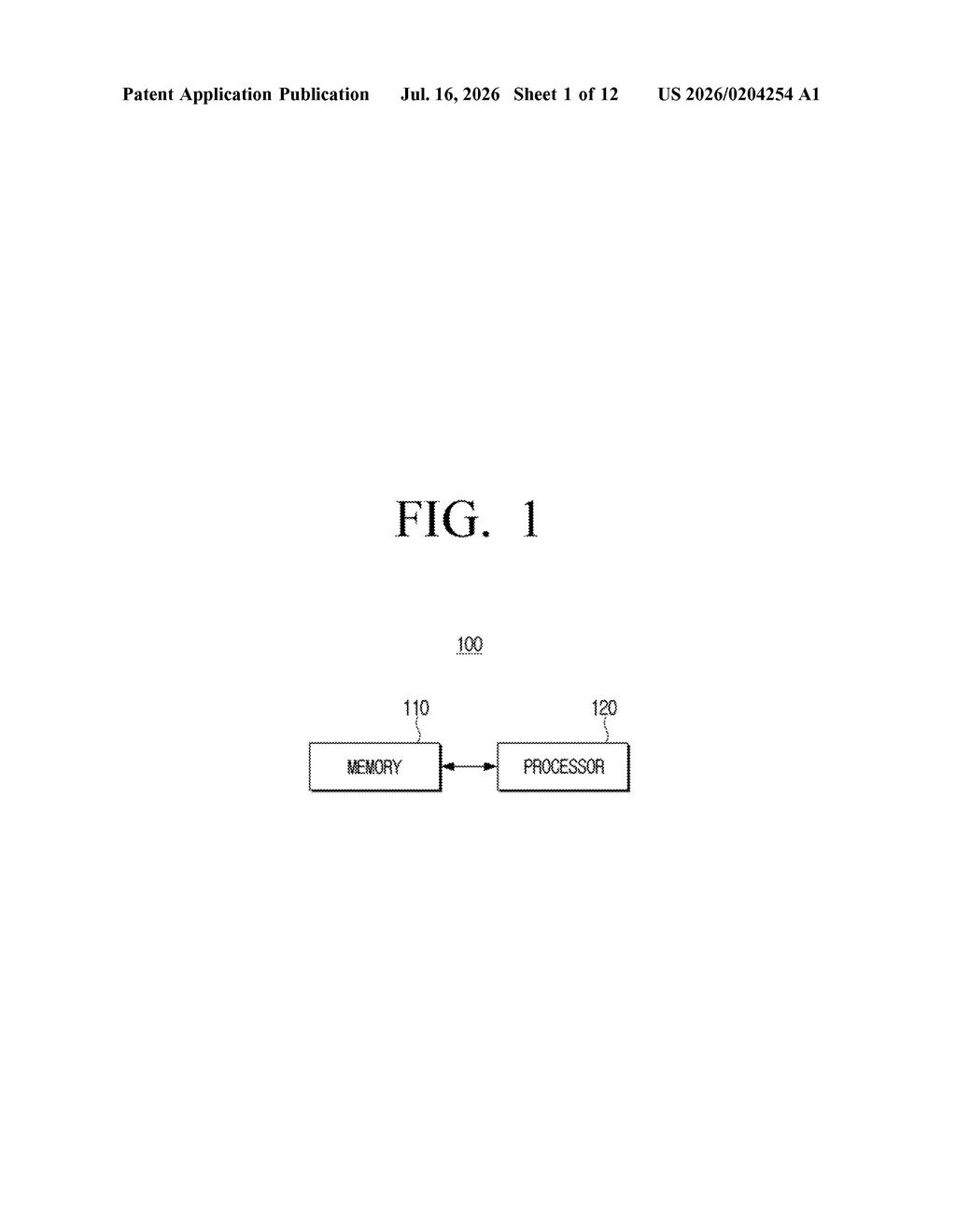
How Samsung turns what you say into an AI-ready instruction
Imagine you tell your phone, 'Change that word to something more formal.' The problem is that most AI systems don't automatically know which word you meant by 'that word,' or what 'more formal' should look like in context. Samsung's patent addresses exactly this kind of gap.
The system listens to what you say, then does two things automatically. First, it figures out which word or phrase you're targeting in your text, labeling it with a positional marker. Second, if you used a vague or shorthand term, it generates a fuller explanation of what that term actually means. Both pieces get bundled together into a clean, complete prompt that gets sent to the AI.
The result is that you can speak naturally, the way you'd talk to a person, and the device handles the translation into something the large language model can act on reliably. You shouldn't have to learn how to phrase requests like a prompt engineer just to get your AI assistant to do what you asked.
How the device constructs a two-part prompt from speech
The patent describes a device, likely a phone or tablet, that processes a spoken voice command through three sequential steps before passing anything to an LLM (large language model, the type of AI behind tools like ChatGPT).
- Command identification: The device first determines the intent of what you said, for example that you want to edit, translate, or rewrite something.
- First word (location marker): It then identifies which specific word or phrase in the existing text is the target of your command. This positional marker tells the LLM exactly where to focus.
- Second word (explanatory expansion): If you used a vague or ambiguous term in your speech, the device generates a clearer, expanded description of it. So a shorthand like 'that business-y word' might get expanded into a definition or category the LLM can act on.
All three elements, the original voice input, the location marker, and the expansion, are combined into a single structured prompt that gets fed to the LLM. The claim language is device-agnostic, but the architecture strongly suggests on-device processing doing the prompt construction before any cloud call is made.
What this means for voice assistants powered by large language models
Voice assistants have always struggled with the precision that AI text models need. When you speak casually, you leave out context that feels obvious to another human but trips up an AI. This patent is Samsung's attempt to add an automatic interpretation layer that bridges natural speech and the structured inputs LLMs actually perform well on.
For everyday users, the practical effect would be a voice assistant that requires less repetition and correction. You say what you mean once, naturally, and the device does the grammatical and contextual cleanup before the AI sees it. That's a meaningful quality-of-life improvement if it works, and it positions Samsung's on-device AI features as a genuine competitor to Siri and Google Assistant in the LLM era.
This is a solid, focused engineering idea rather than a broad platform bet. The specific problem it solves, bridging loose spoken language and the precise inputs LLMs need, is real and unsolved in current voice assistants. Whether Samsung can make it fast and accurate enough to feel natural in daily use is the real question, but the underlying concept is genuinely useful.
Get our take in your Top Stories
Liked this breakdown? Add Patentlyze as a preferred source on Google, and our plain-English take shows up more often in your Top Stories the next time Samsung patent news breaks.
There are more where this came from
We read every patent application Big Tech publishes and send you the ones worth knowing. Plain English, free, every week.
Want this weekly breakdown for a company we don't cover? Patentlyze Pro →