
Samsung Patents a Voice Assistant That Checks Its Work Before Acting
Most voice assistants just try to do what you ask and fail silently. Samsung's new patent describes one that first checks whether all the right conditions are in place before it starts.
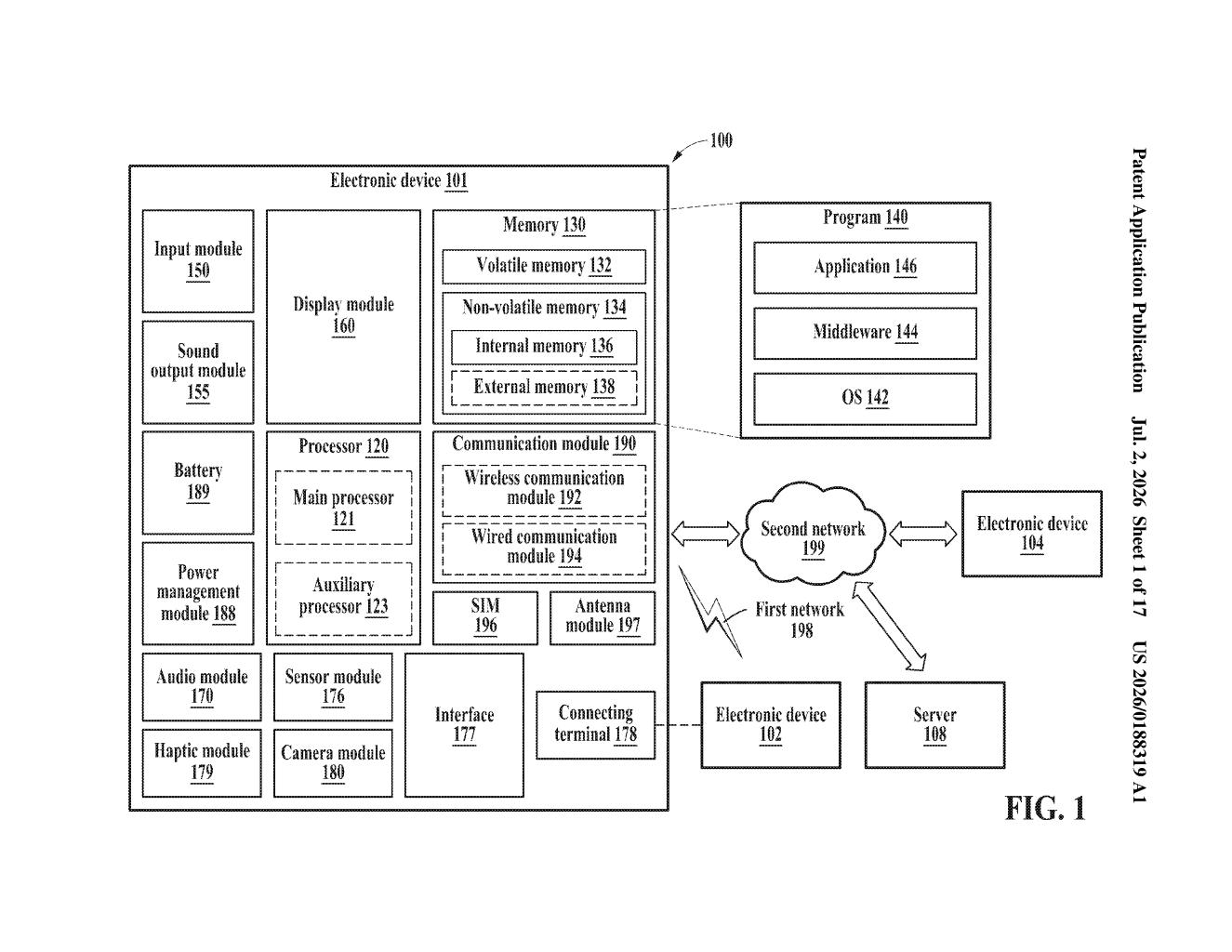
What Samsung's step-checking voice assistant actually does
Imagine asking your phone to send a voice message to a contact, but your microphone is off and that contact doesn't exist in your phonebook. Most assistants today either crash out with an error or do half the job and stop. Samsung's patent tackles that frustration directly.
The idea is to give the assistant a checklist. When you make a request, the system builds two lists: one for things that must be true before it can start (like having a Wi-Fi connection, or a contact being saved), and one for the actual steps it needs to take in order. It then checks the first list before running the second.
If a pre-condition isn't met, the assistant can skip certain steps, ask you to fix the problem, or handle it gracefully instead of breaking down. It's a small shift, but it means your assistant behaves more like a careful helper than a confused guesser.
How the pre-condition and sub-operation list works
The patent describes a structured approach to handling voice or text commands on a device. When a user submits an input, the system retrieves task information tied to that request, then builds a formal list with two components:
- Pre-conditions: requirements that must be satisfied before the task can run (think: Bluetooth enabled, a specific app installed, a contact present in the address book).
- Sub-operations: the ordered sequence of individual actions the device must carry out to complete the task.
The system then evaluates whether those pre-conditions are met. Depending on the result, it either proceeds with all sub-operations, skips certain ones, or handles the failure in a defined way. The patent notes that sub-operations are performed sequentially, meaning the order matters and is baked into the task structure.
The architecture keeps the task logic separate from the execution engine, which means the device can reason about what it's about to do rather than blindly attempting each step. This kind of planning layer is common in enterprise automation but relatively rare in consumer device assistants.
What this means for Samsung's Bixby and Galaxy AI
For everyday users, this kind of pre-flight check means fewer half-finished tasks and less frustration when your assistant fails. If the device knows why it can't complete something, it can tell you clearly or work around the problem instead of stopping with a cryptic error.
For Samsung, this looks like foundational plumbing for a more capable version of Bixby or the Galaxy AI features the company has been expanding across its phone and tablet lineup. Building a structured task-planning layer at the OS level would let Samsung's assistant handle more complex, multi-step requests reliably, which is exactly the battleground where Google Assistant, Apple Intelligence, and others are competing right now.
This patent describes something genuinely useful, even if it sounds dry on paper. A voice assistant that checks pre-conditions before acting is a real improvement over the crash-and-fail behavior users deal with today. Whether Samsung ships this as a visible Bixby feature or bakes it into Galaxy AI's backend, the underlying approach is solid.
Get our take in your Top Stories
Liked this breakdown? Add Patentlyze as a preferred source on Google, and our plain-English take shows up more often in your Top Stories the next time Samsung patent news breaks.
There are more where this came from
We read every patent application Big Tech publishes and send you the ones worth knowing. Plain English, free, every week.
Want this weekly breakdown for a company we don't cover? Patentlyze Pro →