
Sony Patents Automatic Tilt Correction for VR Headset Displays
When you tilt your head in a VR headset, the virtual world can feel slightly off. Sony is patenting a system that automatically corrects the displayed image to stay properly aligned in 3D space.
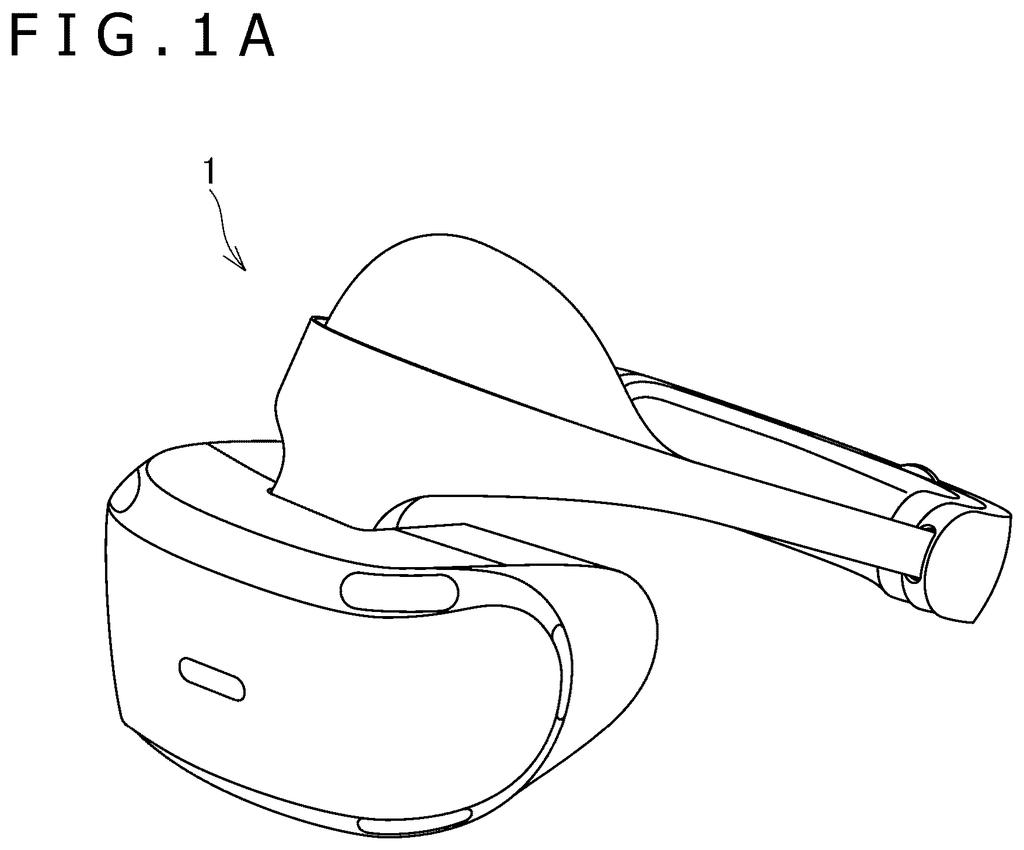
What Sony's VR image tilt fix actually does
Imagine putting on a VR headset and tilting your head to the side. Ideally, the virtual world should stay rock-steady, but tiny misalignments between the display panel and the lenses can make the image look slightly skewed or wrong.
Sony's patent describes a system that watches for these alignment problems and corrects the image data before it reaches the display panel. It uses a pre-calculated "inclination correction value" that accounts for how the display image sits in the 3D virtual space, then adjusts the picture accordingly.
The result is that what you see through the headset's lenses should look properly positioned and level, even if the physical hardware has small manufacturing variations or shifts during use. It's essentially an automatic image-straightening tool built into the headset's processing pipeline.
How the inclination correction value adjusts image data
The system targets a specific problem in VR display design: the lens unit that magnifies the screen image can introduce or expose angular distortions, making the virtual scene appear tilted relative to where it should be in the 3D environment.
At the core is an inclination correction section, which takes a pre-defined correction value tied to the display image's orientation in three-dimensional space. This value tells the system how much and in which direction the image needs to be adjusted before it is sent to the panel.
An image generation section then produces the final display image using that corrected data. The pipeline looks like this:
- Raw image data is prepared for the display panel
- The inclination correction section applies the orientation-based correction value to the data
- The corrected data is handed off to generate the final image shown on the panel
- The lens unit magnifies that already-corrected image for the user's eyes
Because the correction happens at the data level rather than in post-processing after the image is rendered, it can be applied consistently without adding a separate computational pass at the end of the graphics pipeline.
What this means for PlayStation VR comfort and clarity
For VR users, even small display misalignments can break the sense of presence and cause eye strain over longer sessions. A built-in correction system means the headset can compensate for physical tolerances in manufacturing or minor shifts in how the display sits inside the housing, without requiring users to run calibration routines.
For Sony, this fits squarely into its ongoing PlayStation VR hardware work. Keeping display quality consistent across many units shipped from a factory is a real engineering challenge, and a software-level correction baked into the image processing pipeline is a practical way to solve it without tightening (and therefore expensive) hardware tolerances.
This is a quiet but sensible engineering patent. It solves a real, unglamorous problem in VR hardware manufacturing: displays and lenses don't always line up perfectly, and correcting for that in software is cheaper than demanding perfect physical alignment from every unit. It's not a flashy invention, but it's the kind of careful groundwork that shows up in finished products.
There are more where this came from
We read every patent application Big Tech publishes and send you the ones worth knowing. Plain English, free, every week.
The drawings
10 drawing sheets from US 2026/0219506 A1 · click any drawing to enlarge


Want this weekly breakdown for a company we don't cover? Patentlyze Pro →
Be the first to weigh in