
Sony Patent Reveals How Virtual Graphics Adapt When You Grip a Real Object
When you put a virtual skin over a real object in augmented reality, how do you know where to grab it without breaking the illusion? Sony thinks it has an answer.
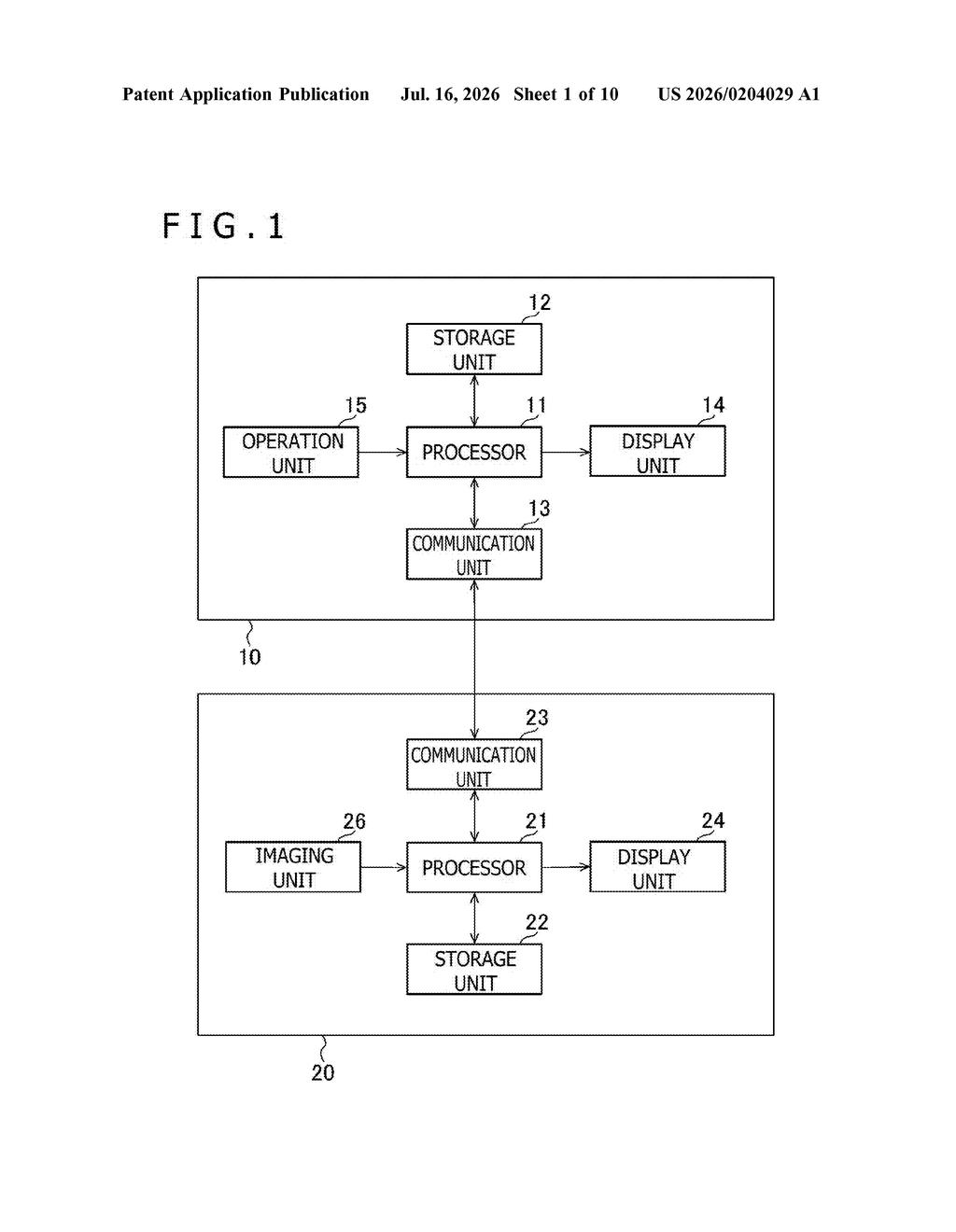
What Sony's grip-aware AR overlay actually does
Imagine you're holding a physical game controller, but through your headset or camera screen it looks like a glowing sword or a futuristic gadget. That's augmented reality at its most fun. The problem is that the virtual image covering the real object can hide the parts you need to grip, making it awkward or even confusing to hold.
Sony's patent describes a system that figures out exactly where a real object's grippable surfaces are, then changes how the virtual layer looks over those spots. Instead of covering your finger-hold zones with a flat digital texture, the system can make that portion more transparent, outlined, or visually distinct so your hand naturally finds the right place.
The system tracks the object's position and angle in real time from a camera feed, then adjusts the overlay on the fly. You get the visual magic of a fully dressed-up virtual item without losing your physical sense of where your hand belongs.
How the system detects pose and changes the display layer
The patent describes a three-step process running continuously while a camera watches a real object:
- Pose estimation: The system analyzes a camera image to work out not just where the object is in the frame, but also which way it is tilted and rotated (its "pose"). This is the same kind of tracking used in face filters and AR games to lock a virtual layer onto a moving target.
- Grip-zone identification: Separately, the system holds data about which physical regions of the object a person would normally hold. This could come from a pre-stored model of the object's shape, from annotations a designer added, or from real-time analysis.
- Selective display change: Where the virtual item overlaps those grip zones, the system alters the rendering. The patent does not lock in one specific change; it broadly covers any shift in "display mode," which could mean transparency, color shift, outline highlight, or something else entirely.
The result is that the virtual costume draped over the real object is not uniform. The parts your fingers touch are rendered differently from the parts that are just decorative, giving your hands a visual cue without breaking the overall AR effect.
What this means for PlayStation and mixed-reality controllers
Sony Interactive Entertainment is the division behind PlayStation, and the company has been building toward mixed-reality gaming experiences, including its PlayStation VR2 headset and camera-based accessories. A system like this would be directly useful any time a physical prop, controller, or everyday object is dressed up with a virtual skin inside a game or experience. Right now, full AR overlays tend to be either all-or-nothing, which either hides tactile cues or breaks the illusion.
For you as a player, this could mean holding a real object that looks like a lightsaber or a magic wand while still being able to grip it naturally without fumbling. The practical upside is less frustrating hand tracking and a more convincing mixed-reality experience overall.
This is a focused, practical idea rather than a sweeping technology claim. It targets a real friction point in AR design: the tension between visual immersion and physical usability. Whether it shows up in a PlayStation product or stays as a patent, it shows Sony is thinking carefully about the ergonomics of mixed reality, not just the spectacle.
Get our take in your Top Stories
Liked this breakdown? Add Patentlyze as a preferred source on Google, and our plain-English take shows up more often in your Top Stories the next time Sony patent news breaks.
There are more where this came from
We read every patent application Big Tech publishes and send you the ones worth knowing. Plain English, free, every week.
Want this weekly breakdown for a company we don't cover? Patentlyze Pro →