
Patent Lets Everyday Objects Become Hands-On Controls Inside Virtual Worlds
What if your desk, your water bottle, or even your own hand could automatically become a controller the moment you put on a Meta headset? That's exactly what this patent describes.
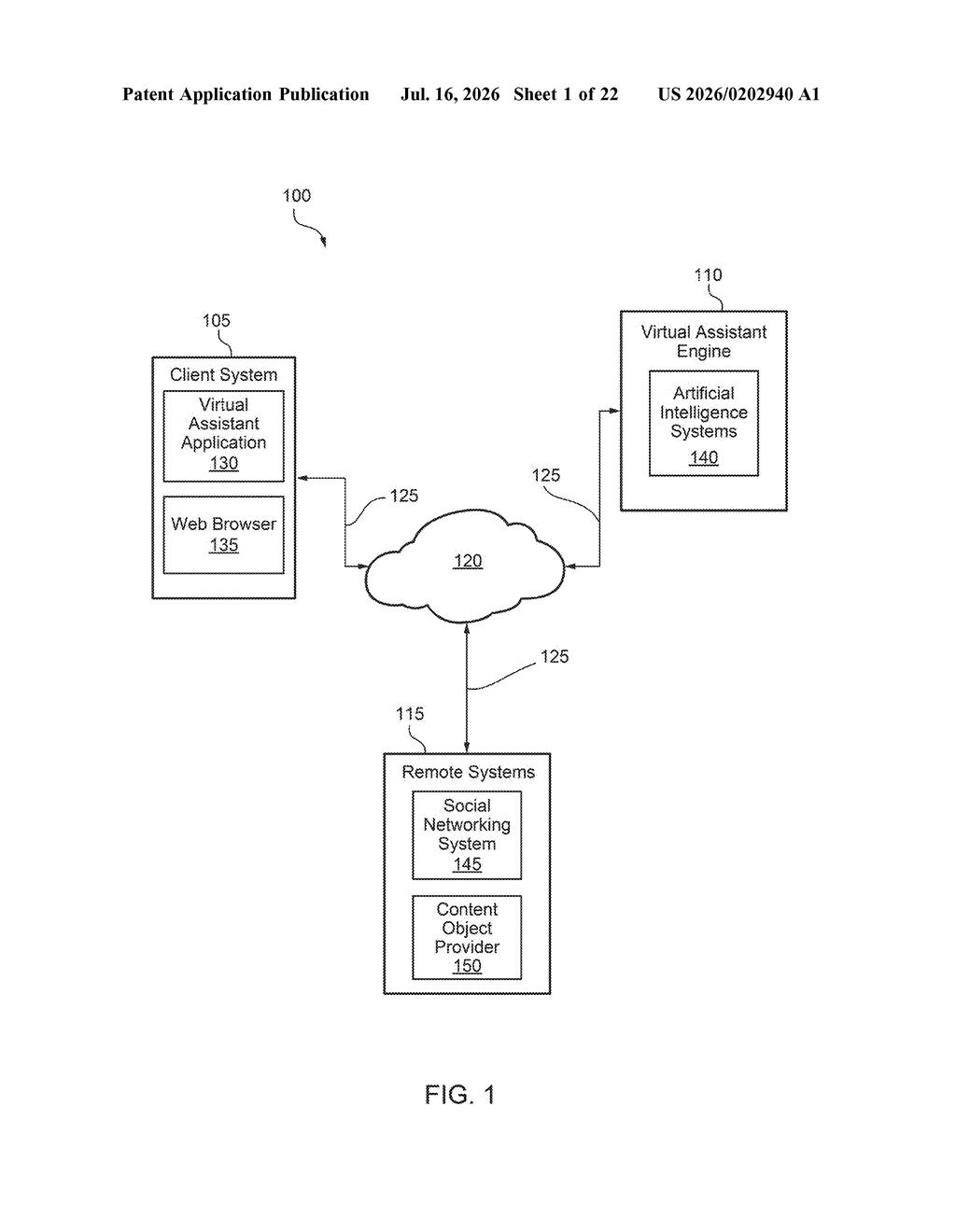
How Meta wants your coffee mug to become a VR button
Imagine putting on a VR or AR headset and, instead of reaching for a dedicated controller, the headset looks around the room and figures out which objects nearby could work as buttons, sliders, or dials. A book spine becomes a scroll wheel. A cylindrical mug becomes a dial you can twist. The headset decides what's usable and then projects a virtual interface right on top of it.
That's the core idea here. Meta is patenting a system that scans your physical environment, identifies what gestures each object could realistically support (can you tap it? Squeeze it? Spin it?), and then matches those objects to whatever task you're trying to do inside the headset.
The virtual interface, like labels, buttons, or sliders, is then overlaid on top of the chosen physical object so your hands always touch something real, even while you're interacting with something virtual. The system also keeps that overlay locked to the object if it moves.
How the system maps gestures onto real-world objects
The patent describes what Meta calls an Adaptive Tangible User Interface (ATUI). The system works in several steps running in real time:
- Environment scanning: The headset builds a representation of the physical space within the user's field of view, identifying objects present in the room.
- Affordance analysis: Each object is evaluated for what Meta calls affordance factors, meaning what physical gestures it can realistically support. A flat surface affords tapping; a cylindrical object affords rotating; a narrow edge affords sliding a finger along it.
- Task matching: The system determines what input tasks the user needs to perform (selecting a menu item, adjusting a value, confirming an action) and matches those tasks to the most suitable nearby object and gesture combination.
- Virtual overlay: A virtual UI layer (think buttons, labels, or sliders) is projected onto the chosen object using AR, and the system actively maintains alignment between the virtual image and the physical object even if the object shifts position.
The patent also covers techniques for designing and anchoring these virtual overlays so they stay locked to the object's surface rather than floating free in space.
What this means for the future of Meta's headsets
One of the persistent complaints about VR and AR headsets is that controllers feel awkward and break the sense of presence. If Meta can reliably turn whatever is already on your desk into an input device, that removes a significant friction point for people using headsets for productivity or daily tasks, not just gaming.
This patent also fits directly into Meta's broader push to make its Quest and Ray-Ban lines work in ordinary environments rather than dedicated VR spaces. The catch is that the first independent claim in this filing has been canceled, which is an early sign the application may face a bumpy path through the patent office. The underlying idea, though, points clearly at where Meta wants its mixed-reality input story to go.
This is one of the more genuinely interesting AR interaction patents Meta has filed because it tackles a real problem (controllers are clunky and break immersion) with an approach that doesn't require buying new hardware. Whether the system works reliably in messy, unpredictable real-world environments is the obvious question the patent doesn't have to answer. The canceled lead claim means the legal coverage is uncertain, but the research direction is worth tracking.
Get our take in your Top Stories
Liked this breakdown? Add Patentlyze as a preferred source on Google, and our plain-English take shows up more often in your Top Stories the next time Meta patent news breaks.
There are more where this came from
We read every patent application Big Tech publishes and send you the ones worth knowing. Plain English, free, every week.
Want this weekly breakdown for a company we don't cover? Patentlyze Pro →