
Samsung Patents Wi-Fi Tracking That Pinpoints Exactly When You Enter or Leave an Area
GPS alone can't tell the difference between you walking into a store and loitering outside it. Samsung's new patent tries to fix that with a smarter blend of Wi-Fi signals and movement data.
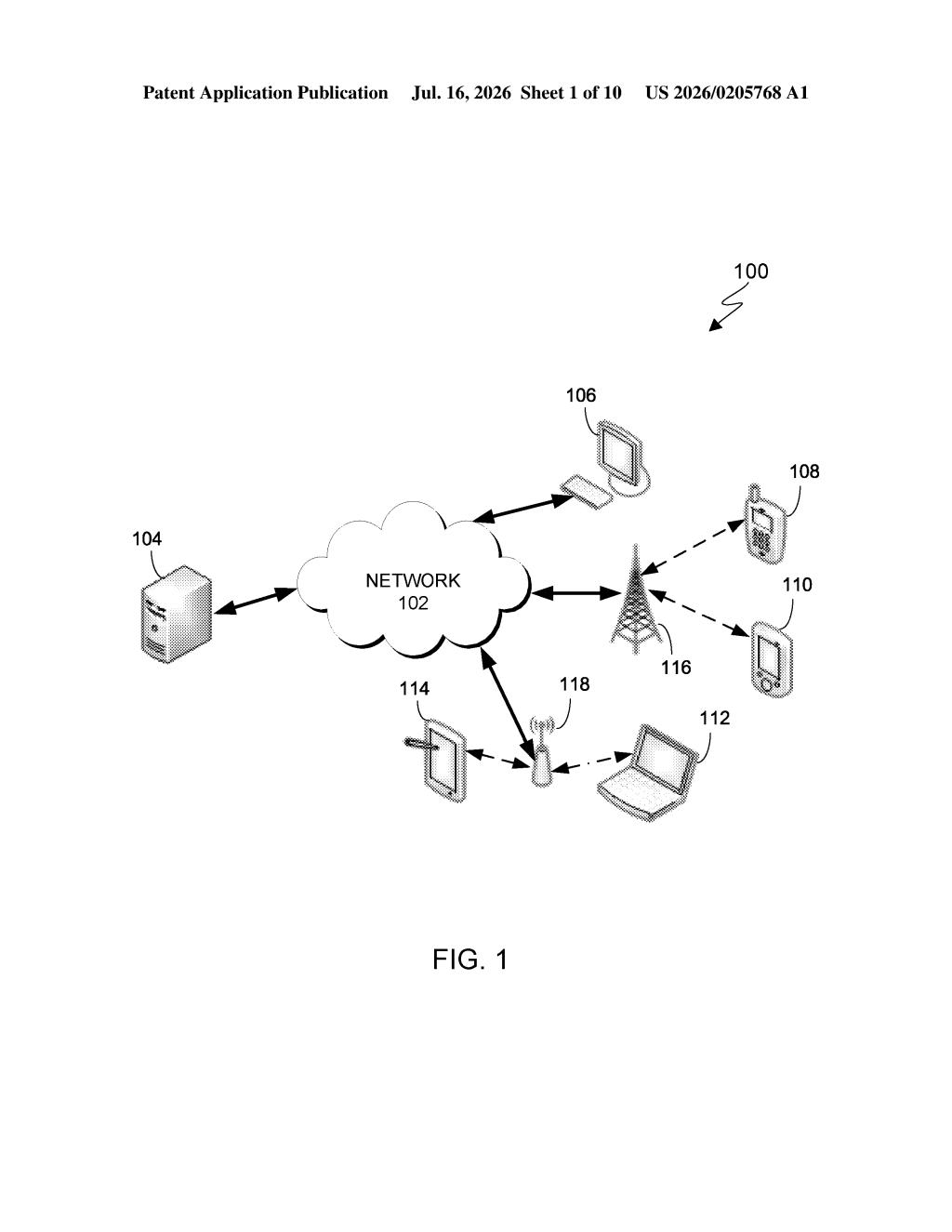
What Samsung's Wi-Fi-powered location fencing actually does
Imagine your phone gets a coupon the moment you walk into a mall. The problem is GPS is often fuzzy enough that your phone thinks you're inside when you're still in the parking lot, or vice versa. That sloppiness causes missed alerts, wrong timestamps, and location-based features that fire at the wrong moment.
Samsung's patent describes a system that layers Wi-Fi signal readings on top of standard GPS to pin down your location much more tightly. Instead of just drawing a circle on a map and asking whether you're inside it, the system carves that circle into valid zones and tracks the path you've taken through them.
The result is a much more accurate answer to the two questions every location-based app cares about: exactly when did you arrive, and exactly when did you leave? That precision matters for anything from retail loyalty apps to workplace attendance tracking to smart-home automation.
How the system scores paths and zones to time arrivals
The patent describes a method that runs on a device (most likely a phone) and pulls in two types of data: geolocation measurements (GPS, cell-tower signals) and Wi-Fi measurements (signal strengths from nearby access points). Fusing those two sources together produces what the patent calls a refined location, a tighter estimate of where the device actually is.
The geofence itself isn't treated as a simple on/off boundary. Inside it, the system defines valid zones, sub-regions that count as "truly inside." Entry into one of those zones triggers the ingress time, the official timestamp for when you arrived.
For movement that doesn't neatly enter a zone, the system calculates a commonality score, essentially a measure of how similar your path is to paths that have historically been associated with genuine arrivals. If your path scores above a threshold, you're counted as inside; if it falls below, you're not.
- Ingress: device enters a valid zone, or its path scores above the threshold
- Egress: device exits the geofence, exits the valid zone, or its path scores below the threshold
- Wi-Fi readings fill in the gaps where GPS is too coarse
What sharper geofencing means for Galaxy users and apps
For everyday Galaxy users, sharper geofencing means location-triggered features, like a routine that turns on your home's lights the moment you actually step inside, fire at the right time instead of when you pull into the driveway. It also matters for any app that logs your location for attendance, delivery verification, or retail promotions.
On the business side, accurate ingress and egress timestamps are the backbone of location analytics that retailers, logistics companies, and employers rely on. If Samsung bakes this into its platform, it gives app developers a more trustworthy location signal without requiring them to build their own sensor-fusion logic. That's a quiet but meaningful infrastructure upgrade.
This is solid, practical engineering rather than a flashy concept. Geofencing accuracy has been a real pain point for years, and the Wi-Fi-plus-path-scoring approach is a credible fix. Whether it translates into a noticeable improvement for end users depends entirely on how Samsung exposes it to developers, but the underlying idea is worth paying attention to.
There are more where this came from
We read every patent application Big Tech publishes and send you the ones worth knowing. Plain English, free, every week.
Want this weekly breakdown for a company we don't cover? Patentlyze Pro →
Be the first to weigh in