
Samsung Patents Radar Technology That Pinpoints Multiple Objects Hiding Behind Each Other
When a radar signal bounces off the same object from two slightly different directions at the same time, most systems get confused and see a blur. Samsung's new patent describes a method to peel those overlapping echoes apart, one at a time, to get a precise angle for each.
What Samsung's multi-angle radar processing actually does
Imagine you're in a noisy room and two people are talking to you from almost the same direction. Your brain struggles to separate their voices. Radar systems face the exact same problem — when a signal bounces back from an object at multiple angles simultaneously, the system typically blurs them together into one imprecise reading.
Samsung's patent describes a method where the radar software looks at the incoming reflections, finds the strongest one and records its angle, then subtracts that reflection out of the picture entirely. It then repeats the process on what's left — finding the next strongest signal, recording its angle, subtracting it out — until there's nothing significant remaining. The result is a clean list of angles for a single object instead of one messy average.
This kind of precise angle-finding matters anywhere radar is used for sensing — think in-car collision avoidance, gesture recognition on a phone or smart speaker, or health monitoring wearables. Getting the angles right, even when signals overlap, means the system can track objects more accurately in tight spaces.
How the iterative spectrum-subtraction loop works
The patent describes an iterative signal-processing algorithm applied to the output of a radar antenna array. When radar waves hit a target, the antenna array captures the reflected signal and converts it into what the patent calls an angular spectrum — essentially a map showing how much signal energy is arriving from each possible direction.
The method then follows a loop:
- Find the peak: Identify the strongest signal in the angular spectrum and check whether it clears a minimum threshold (the "defined condition").
- Record the angle: Log that peak's direction as one confirmed target angle.
- Subtract it out: Generate a model of what that specific reflection should look like and remove it from the spectrum — a technique known as successive interference cancellation (stripping away one signal at a time so weaker ones become visible).
- Repeat: Run the same process on the cleaned-up spectrum until no remaining peak is strong enough to count.
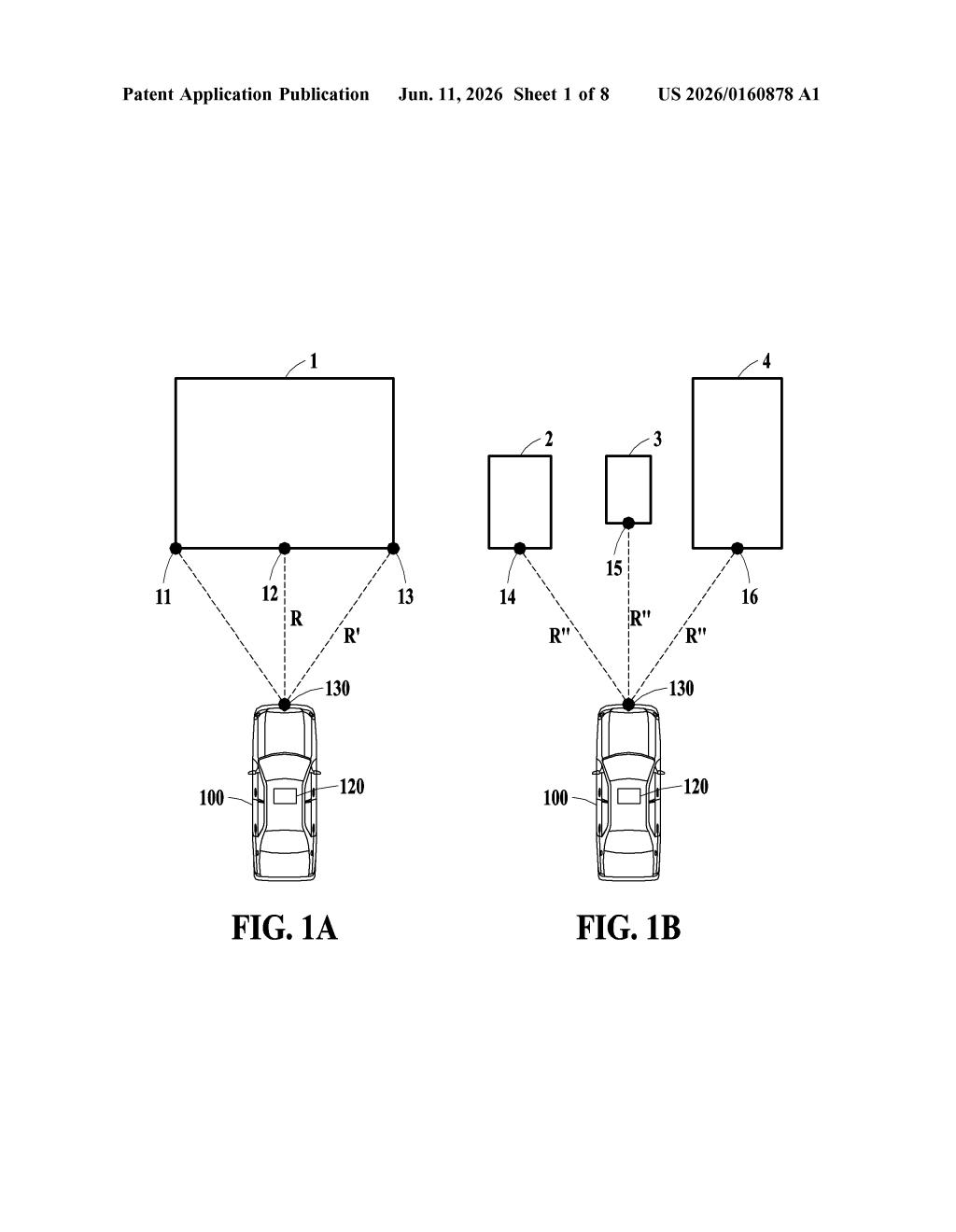
The output is multi-angle information — a structured list of one or more confirmed angles for a single target point. Traditional radar processing often assumes one angle per target; this method explicitly handles cases where a single physical object produces multiple valid angular returns, which commonly happens when surfaces reflect at different orientations or when the target is large relative to the radar beam width.
What this means for radar in phones, cars, and wearables
For consumer electronics, this kind of processing refinement is what closes the gap between radar detecting something and radar understanding something. Samsung has shipped radar sensors in Galaxy phones and smart home devices for features like fall detection and sleep tracking. More precise angle resolution from the same hardware means those features can be more reliable without requiring bigger or more expensive antenna arrays.
On the automotive side — where Samsung's semiconductor division supplies radar chips — cleaner angle separation directly improves the ability to distinguish two closely spaced objects, which is a known challenge in parking-assist and low-speed collision-avoidance systems. Better angle resolution from the same hardware is always preferable to buying new hardware, which is exactly what an algorithmic approach like this delivers.
This is a solid, practical signal-processing patent rather than a flashy concept. Iterative interference cancellation is a well-established idea in wireless communications, and Samsung is applying the same logic to radar angle estimation — which is genuinely useful. The value is in the implementation details and how well it performs on real hardware, not in the concept itself.
There are more where this came from
We read every patent application Big Tech publishes and send you the ones worth knowing. Plain English, free, every week.
Want this weekly breakdown for a company we don't cover? Patentlyze Pro →