
Qualcomm Patents a Way to Configure Car Sensor Networks Over the Air
Every modern car is essentially a rolling network of sensors and computers, all wired together in very specific ways. Qualcomm's new patent describes a system that handles that configuration wirelessly, without physically touching those connections.
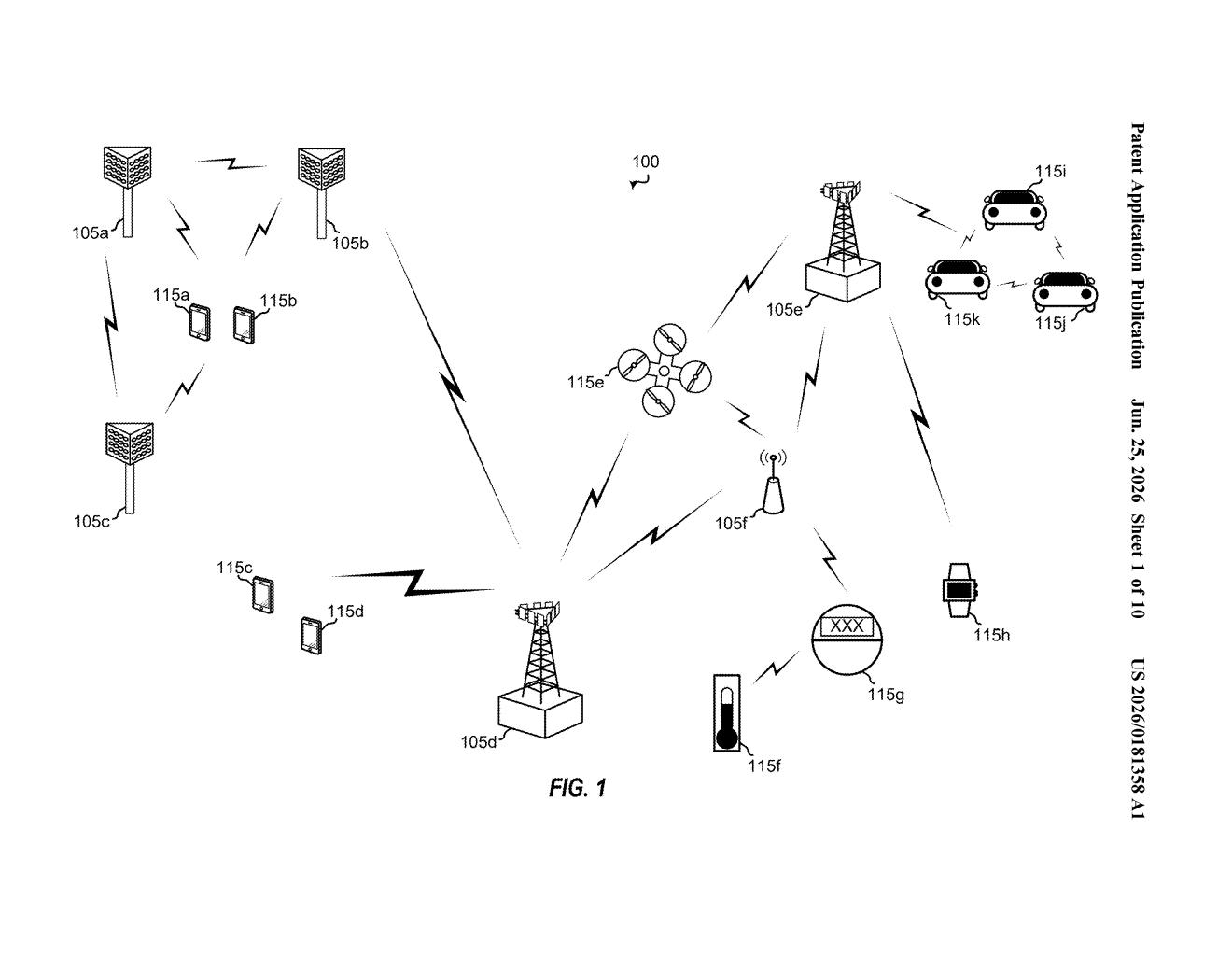
What Qualcomm's wireless car-network setup actually does
Imagine your car has dozens of small computers handling everything from braking to climate control to lane-keeping. Right now, getting all those computers to talk to each other in the right way often requires physical wiring and hands-on setup at a factory or service center.
Qualcomm's patent describes a system where a car's internal network of sensors and control units can be configured wirelessly. Instead of hard-wired instructions, the vehicle receives configuration information and uses it to tell each sensor and computer unit how to communicate, whether that's a direct one-to-one message or a broadcast to a whole group of units at once.
Think of it like a network admin remotely setting up all the devices on an office Wi-Fi rather than plugging into each one individually. For cars, this could make factory setup faster and open the door to reconfiguring vehicle systems after the car has already been built and sold.
How sensors and ECUs get their wireless assignments
The patent covers a system where a vehicle holds a plurality of in-vehicle networks (IVNs), each made up of sensors (cameras, radar, temperature sensors, etc.) and electronic control units (ECUs), the small computers that run specific vehicle functions like braking, steering assist, or infotainment.
A central processor in the vehicle receives IVN configuration information, essentially a blueprint describing how a particular network layout should be set up. Based on that blueprint, it configures the relevant sensors and ECUs for two types of wireless communication:
- Unicast: a direct, one-to-one transmission between two specific units
- Groupcast: a broadcast sent simultaneously to a defined group of units
Once configured, the sensors and ECUs then transmit data wirelessly according to that specific layout. The patent doesn't tie this to a single wireless standard, but the framing around IVN systems and Qualcomm's chipset business points toward short-range automotive wireless protocols.
The key technical claim is that the configuration step itself is handled over the air rather than being baked into physical wiring, which is the current norm for most production vehicles.
What this means for how cars get software updates
Modern cars ship with hundreds of ECUs, and reconfiguring how they talk to each other today typically means a factory visit or a dealer service bay. If Qualcomm's approach works at scale, it could let automakers push new network configurations remotely, similar to how Tesla already pushes software updates but applied at a deeper, hardware-topology level.
For you as a driver, the practical payoff would be a car that can be functionally restructured after purchase, adding or adjusting sensor groupings to support new driver-assist features without replacing any hardware. For automakers, it reduces the cost and complexity of building multiple physical wiring variants for different trim levels or regional configurations.
This is unglamorous infrastructure work, but it addresses a real bottleneck in automotive development. The fact that Qualcomm is filing here, rather than a traditional auto-supplier, signals that wireless silicon vendors want a bigger stake in how car-internal networks are designed and managed. Worth watching as a piece of Qualcomm's automotive chip ambitions, not as a standalone headline product.
There are more where this came from
We read every patent application Big Tech publishes and send you the ones worth knowing. Plain English, free, every week.
Want this weekly breakdown for a company we don't cover? Patentlyze Pro →