
Samsung Patents a Display That Selectively Darkens Parts of the Screen
Samsung is working on a display system that can darken specific parts of your screen on demand — not by turning pixels off, but by using a second, light-controlling layer sitting in front of them.
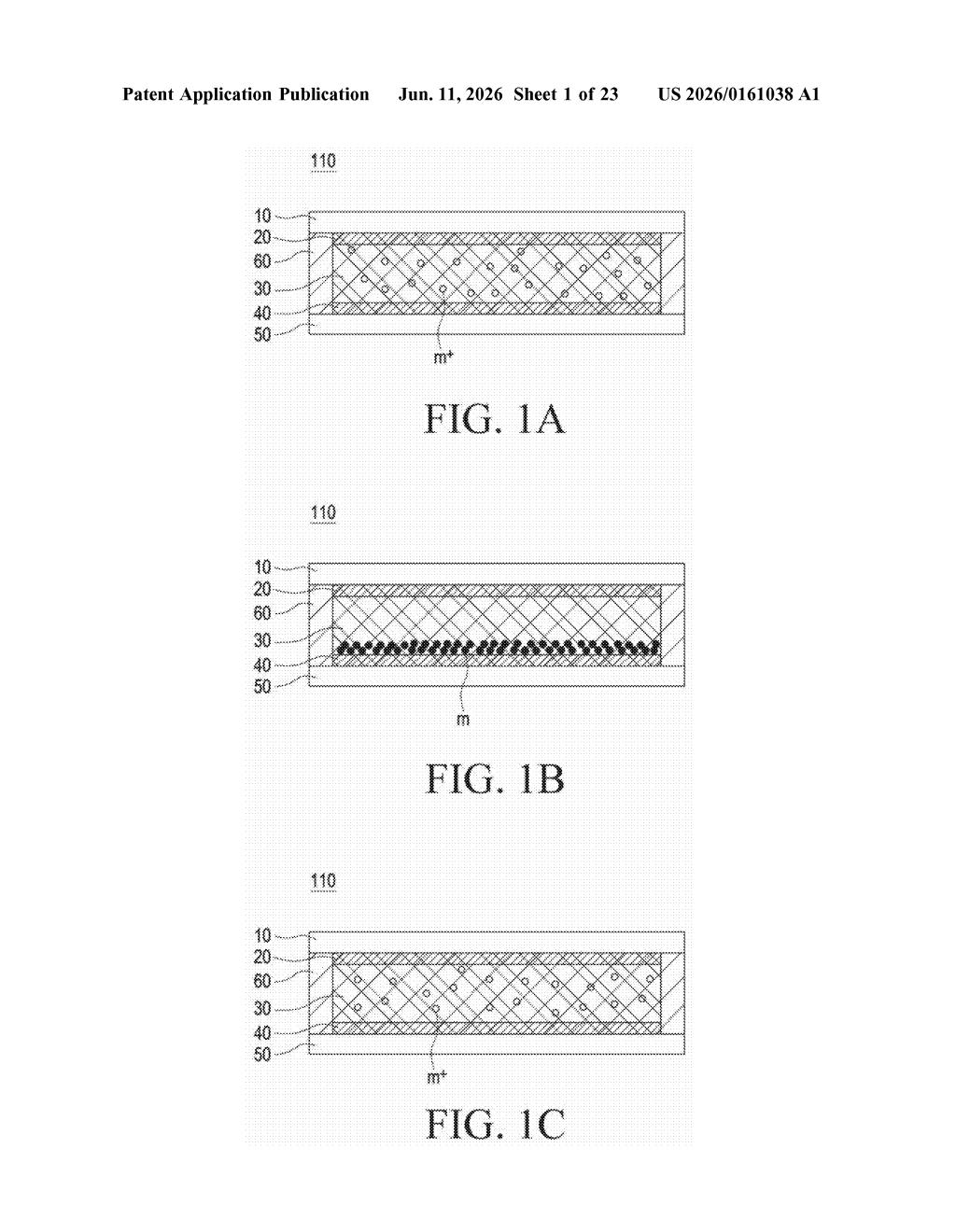
What Samsung's per-region screen dimming actually does
Imagine watching a movie with a very bright explosion on one side of the screen and a dark night sky on the other. Most screens struggle here — they either blow out the bright parts or crush the dark ones. Samsung's patent describes a way to fix that by adding a second layer over the display that can independently dim specific regions.
This dimming layer is made up of its own grid of special pixels, each of which can go from clear to dark using something called an electrochromic element — basically a material that changes how much light it lets through when electricity is applied. The main display shows the actual image underneath, while the dimming layer acts like a set of tiny, precisely controlled sunglasses placed over just the parts of the image that need them.
The end result is that bright areas stay vivid and dark areas stay genuinely dark — all at the same time — without either layer having to do all the work alone. It's a layered approach to contrast that goes beyond what a single display panel can achieve.
How electrochromic pixels control local transmittance
The patent describes a dual-layer display architecture. The primary layer is a conventional image display with standard pixels. In front of it sits a dimming device — a second panel whose pixels don't produce color or light, but instead control how much of the underlying image's light passes through to your eyes.
Each dimming pixel contains an electrochromic element (a material that reversibly shifts between transparent and opaque states when voltage is applied) paired with a dedicated pixel circuit. That pixel circuit has three parts:
- A driving circuit — applies the right voltage to the electrochromic element to set its opacity level
- A switching transistor — acts as a gate, letting through the control signal when the row it belongs to is being addressed
- A capacitive element — holds the control signal in place so the pixel maintains its opacity even after the scan has moved on to the next row
The driving circuit itself is built as a CMOS circuit (Complementary Metal-Oxide Semiconductor — the same fundamental transistor technology used in virtually all modern chips) using transistors with enhanced electrical characteristics. A processor monitors the image content and instructs the dimming layer to lower transmittance over whatever region corresponds to a bright or high-contrast object in the frame.
What this means for OLED and high-contrast display tech
Local dimming — controlling brightness zone by zone rather than across the whole screen — is already a premium feature on high-end TVs, but it's typically done by manipulating the backlight behind an LCD panel. Samsung's electrochromic approach places the dimming control in a separate addressable pixel layer, which could allow much finer spatial control and potentially thinner form factors than conventional backlight-zone systems.
For you as a viewer, this translates to deeper blacks and brighter highlights appearing simultaneously on screen — the kind of contrast that makes HDR content look genuinely different rather than just marginally better. Given Samsung's dominance in both OLED panel manufacturing and consumer display products, a patent like this points toward where premium display engineering is heading next.
This is solid, incremental display engineering rather than a conceptual leap — electrochromic materials and dual-layer display ideas have been researched for years. What makes it worth watching is the detailed pixel-circuit specification, which suggests Samsung is thinking seriously about manufacturability, not just the concept. If the electrochromic layer can be made thin and fast enough to respond in real time, this could meaningfully raise the contrast ceiling on future flagship screens.
There are more where this came from
We read every patent application Big Tech publishes and send you the ones worth knowing. Plain English, free, every week.
Want this weekly breakdown for a company we don't cover? Patentlyze Pro →